DOJ fights lawsuit challenging Trump’s White House media ban: Access is a ‘privilege’
The Justice Department (DOJ) is standing by President Trump’s decision to ban CNN, MS Now and Politico from the White House, saying access to the complex is a “privilege” and justified under national security concerns. In a court filing late Tuesday, the Trump administration pressed U.S. District Judge Timothy Kelly to reject a request from…
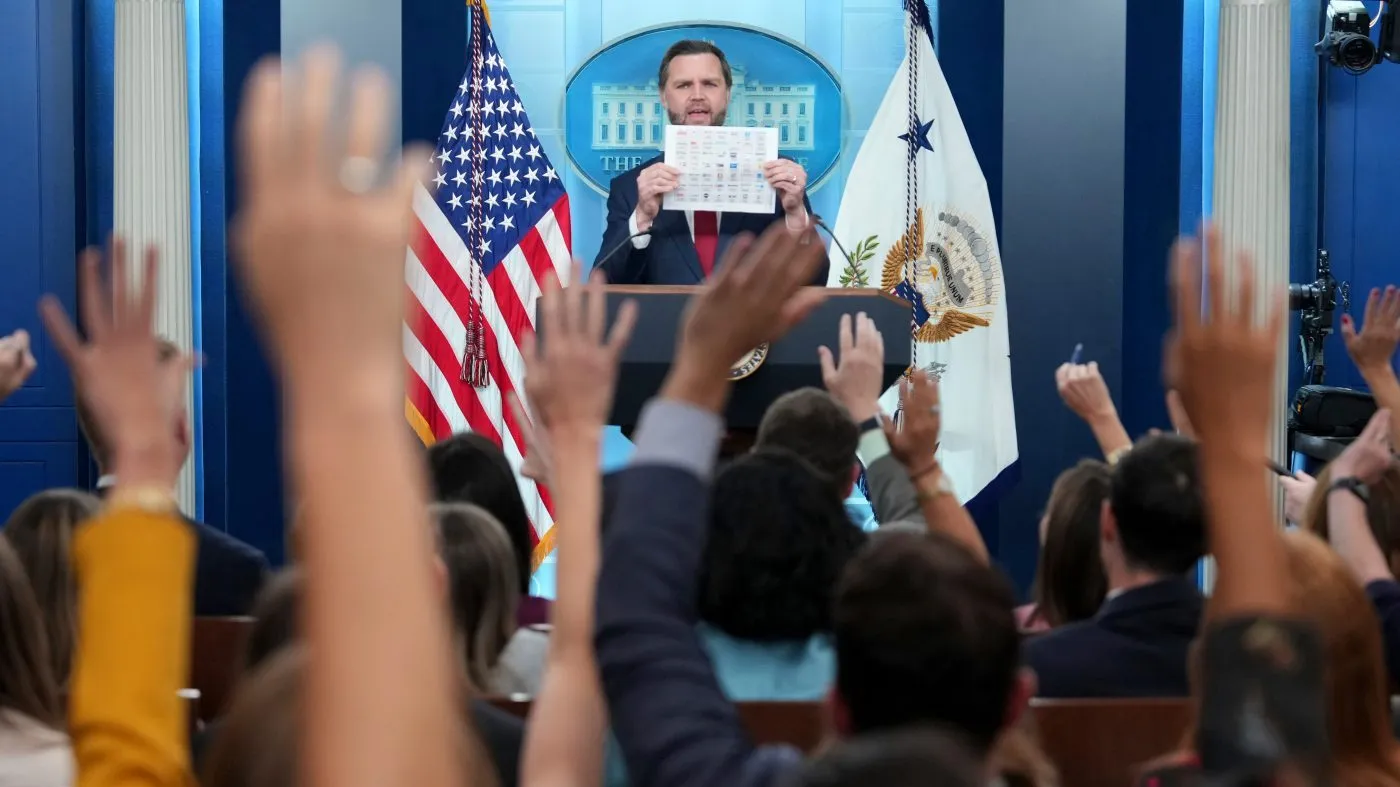
The Justice Department (DOJ) is standing by President Trump’s decision to ban CNN, MS Now and Politico from the White House , saying access to the complex is a “privilege” and justified under national security concerns.
In a court filing late Tuesday, the Trump administration pressed U.S. District Judge Timothy Kelly to reject a request from the trio of news organizations for a temporary restraining order that would restore their access to White House grounds.
In a joint statement Monday, the three outlets said they filed a lawsuit against the administration to “protect our First Amendment rights and defend the principle that the government does not decide what the press reports or publishes.”
A court hearing is scheduled for Wednesday afternoon and the president has deflected on whether the White House will adhere to the potential ruling .
The DOJ argued Trump had lawful grounds to revoke the outlets’ hard passes, citing what the administration described as failures to meet basic standards of “professionalism and decorum” and to protect “sensitive or classified information” from being published by the press.
“After all, access to the White House is a privilege — not a right,” DOJ senior counsel Michael Velchik wrote.
The administration pointed to a prior court ruling allowing the White House to briefly bar The Associated Press from accessing certain spaces such as the Oval Office over its refusal to use “Gulf of America” instead of “Gulf of Mexico” in its widely used Stylebook.
DOJ noted that the same logic should be applied throughout the entire White House complex, and that the president should be able to “consider journalists’ viewpoints” when determining whether to grant access to the White House.
“There is no principled way of easily distinguishing between rooms that are a nonpublic forum and those that are no forum at all — particularly where the White House is not obligated to respond to any questions by reporters in the first place,” the filing states.
The White House sent separate letters to the three news outlets detailing their reasoning behind the decision, accusing the news organizations of “trafficking in verifiable falsehoods about national security and other issues, and publishing sensitive or classified information.”
The letters cited certain stories from each outlet, including disclosing construction details related to an East Wing bunker, Iran war negotiations and plans for Secret Service improvements in the White House ballroom renovations.
The three outlets have until 5 p.m. EDT on Friday to challenge the findings before the decision becomes final, according to the filing.
Trump announced the ban Friday, accusing the news organizations of reporting “FICTION and LIES” when covering his administration. Top aide Natalie Harp had reportedly been showing the president critical stories and news clips from the three outlets he targeted.
Journalists from all three organizations were subsequently denied entry to White House grounds and had their credentials confiscated. The move has disrupted TV coverage of the president.
CNN is part of the five-network White House television pool along with ABC News, CBS News, Fox News and NBC News. After CNN was unable to carry out its scheduled pool duties Monday, the other networks suspended presidential pool coverage in solidarity .
The effects were immediate . Trump’s remarks during an event on the South Lawn on Monday could not be heard on the White House’s own livestream because the pool was not there to provide its usual audio feed.
Topics in this story
Gathered from external sources. Rights to this text belong to whoever originally published it.