Supreme Court to decide if 160-year-old home distilling ban is constitutional
The Supreme Court said Monday it will consider whether the government can ban people from distilling spirits at home, after a lower panel declared restrictions dating to the 1860s unconstitutional. The Trump administration urged the justices to get involved, saying the lower court took a “blinkered view” and its decision threatens the viability of longstanding…
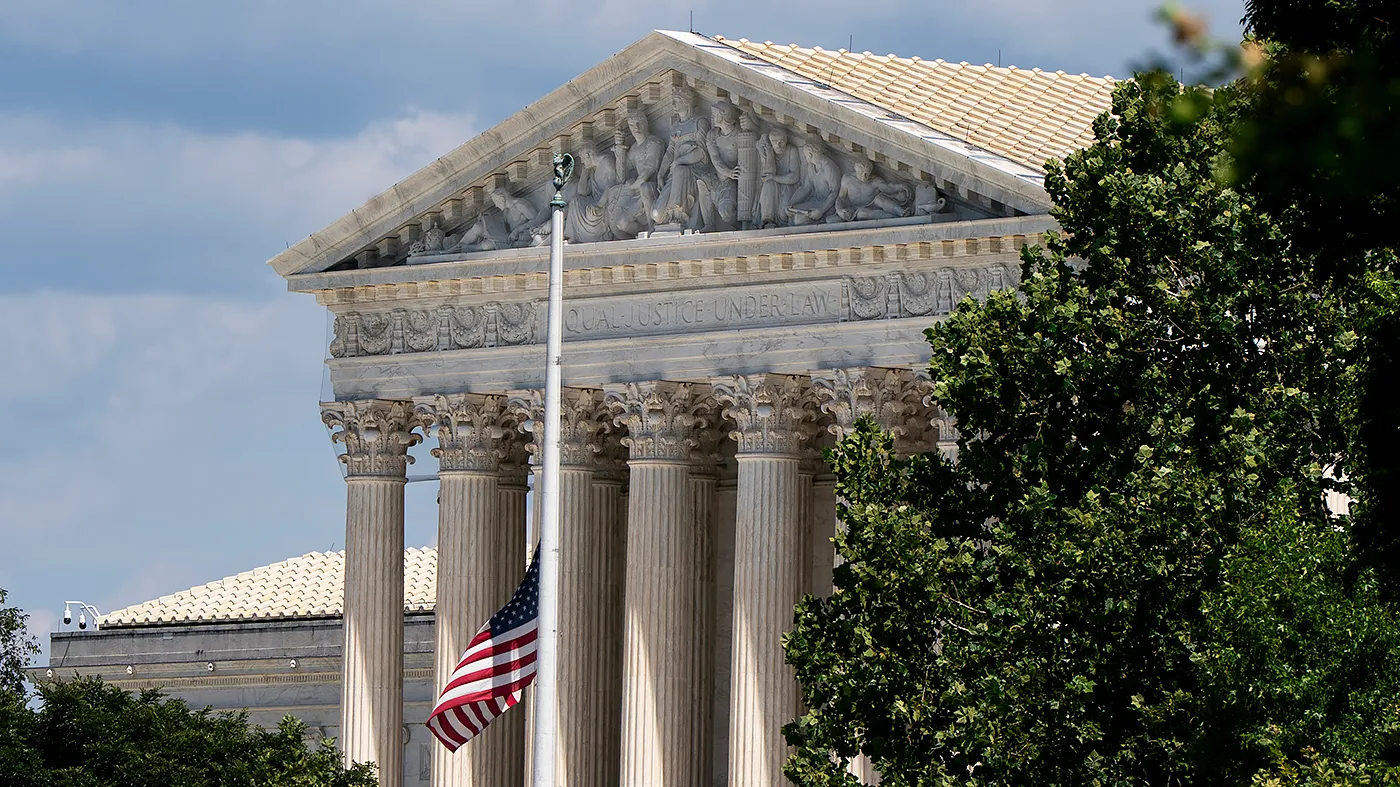
The Supreme Court said Monday it will consider whether the government can ban people from distilling spirits at home, after a lower panel declared restrictions dating to the 1860s unconstitutional.
The Trump administration urged the justices to get involved, saying the lower court took a “blinkered view” and its decision threatens the viability of longstanding federal taxes on producing vodka, whiskey and other distilled spirits.
“The government has a substantial interest in its authority to safeguard a significant source of tax revenue—a source that was used to pay Revolutionary War debts at the Founding and now generates billions of dollars in tax revenue every year,” Solicitor General D. John Sauer wrote in the administration’s petition.
The case is set to be heard this term. Oral arguments are likely to be held early next year, with a decision expected by summer.
First enacted in the 1860s, federal law makes it a felony to produce distilled spirits “in any dwelling house” or in a connected “shed, yard, or inclosure.” Violations can carry up to five years in prison.
In defending the law, the government ties it to federal excise taxes on distilled spirits as old as the country’s founding. They were a significant revenue source for the new government, even provoking the famed Whiskey Rebellion as citizens violently protested the new duties.
Congress can enact measures that are “necessary and proper” to exercise its constitutional powers — like taxation — but the U.S. Court of Appeals for the 5th Circuit rejected that the ban falls within that power.
Sauer says the law makes it more difficult for distillers to conceal their operations and avoid taxes.
“Those practical realities have not changed. Today, as at the time of enactment, a distiller can more easily conceal a distilling operation (or conceal a spirit’s strength and avoid the proper tax rate) if a still is located at a dwelling-house or another business,” he wrote.
The law faces a challenge from the Hobby Distillers Association and four individuals who want to distill spirits at their homes.
Despite having won, a separate appeals court hearing a different lawsuit reached a conflicting result, so the association agreed the Supreme Court should settle the issue.
“Homebrewing revitalized beer culture in the United States; home distilling could do the same for spirits, but for the prohibition,” they wrote in court filings.
Topics in this story
Gathered from external sources. Rights to this text belong to whoever originally published it.