Dirty tricks: Why is Congress voting to scrap California’s clean air protections?
This congressional overstep is creating an alarming precedent, threatening states’ authority to protect their residents from toxic pollution. The Senate must step in to stop it.
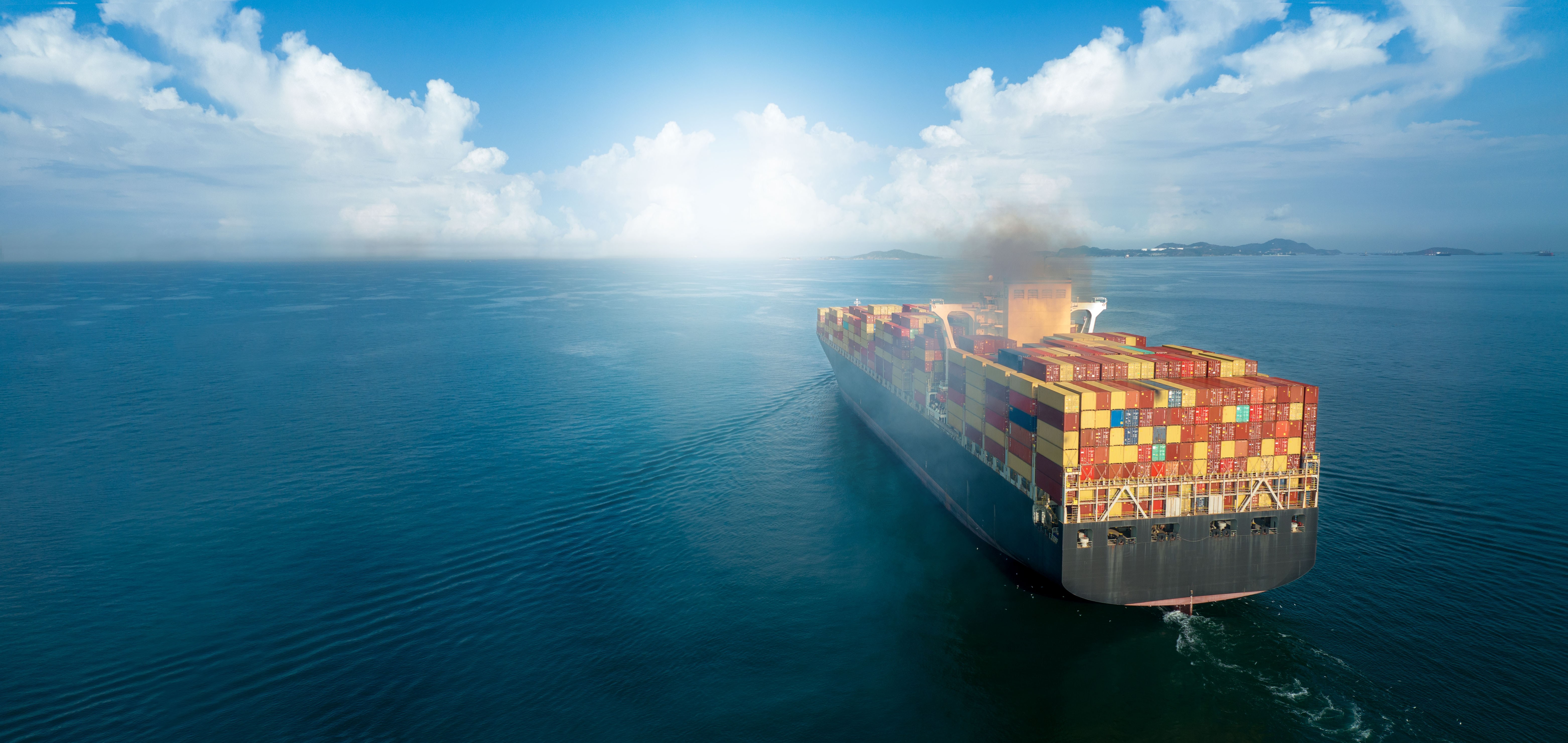
Just last week, the U.S. House of Representatives voted to revoke a federal waiver that allows California to protect its residents from cancer-causing pollution released by ships , most of them foreign, docking at the state’s ports.
Americans should understand just how reckless this is — and why the consequences extend beyond California.
The waiver allows California to enforce its Ocean-Going Vessels At-Berth Regulation . In plain terms, the program requires ships to stop pumping toxic diesel exhaust, proven to cause detrimental health outcomes, into the air while they are docked.
These shipping companies have valid solutions available. They can plug into shore power (the electric grid) and turn off their engines, or they can use technology that captures pollutants before they reach nearby communities.
Even when a ship is not moving, it typically keeps diesel-powered auxiliary engines running to supply electricity for lights, ventilation, pumps, refrigeration and other onboard systems. A vessel may remain at a port for hours or even days, releasing soot and smog-forming gases close to homes, schools and workplaces.
That pollution is not harmless. Diesel exhaust is known to the State of California to cause cancer , while exposure to air pollution is also linked to asthma, heart and lung disease, cognitive decline and premature death. The microscopic particles in diesel exhaust can travel deep into the lungs and enter the bloodstream.
The health burden is especially severe in communities surrounding California’s busiest ports. In a 2022 survey of Wilmington residents , 54 percent reported black spots or oily residue around their homes, and 57 percent reported respiratory ailments in their households.
California created its at-berth program to stop this pollution before it reaches the air. And the program is working.
The original program achieved an 80 percent reduction in harmful emissions across more than 13,000 vessel visits beginning in 2014. California later expanded the program to cover additional vessels, including auto carriers and tankers — categories responsible for 56 percent of the fine-particle pollution produced by ocean-going vessels while docked at California ports.
The projected public health benefits of this program are substantial. Once fully implemented, California’s program is expected to reduce pollution from vessel visits by 90 percent and lower the potential cancer risk by 55 percent for communities near the ports of Los Angeles, Long Beach and Richmond. California estimates that it will deliver $2.31 billion in public health benefits.
The infrastructure has already been built. Ports, utilities and private businesses have invested. Shore-power connections and approved emissions capture systems are already operating, allowing ships to reduce their pollution without disrupting the movement of goods.
The primary argument for taking away California’s waiver has been cost. Opponents have cited large total figures to suggest the program places a significant burden on everyday Americans. But those numbers obscure what compliance actually costs when spread across the enormous quantities of goods these ships carry.
According to the federal government’s own analysis , the cost is approximately $1.14 for each shipping container, $7.66 for each automobile transported and less than 1 cent for each gallon of finished product carried by a tanker.
For context, a 20-foot shipping container holds goods worth approximately $54,500 on average . The $1.14 compliance cost amounts to roughly two-thousandths of a penny for every dollar of goods inside.
Taking away California’s waiver would therefore produce no meaningful savings for consumers. It would instead shift the far greater costs of pollution from international shipping and oil companies onto California families, workers and taxpayers through preventable illness, missed work and higher health care expenses.
On the House floor, lawmakers also argued that oil tankers cannot connect to shore power. But that leaves out a critical fact: California’s program does not require every ship to use shore power. When plugging in is not practical, vessels can use state-approved emissions capture and control technology instead. In fact, major oil companies are currently using the technology at California ports. Shell and Olympus Terminals are among the companies already being served in Southern California, while TransMontaigne has signed an agreement to use the technology at its Martinez and Richmond terminals.
The infrastructure exists. The technology works. Companies are using it. Goods continue moving through California’s ports without disruption. And the cost to consumers is negligible.
Now the decision falls to the Senate. Senators can defend a proven program that reduces cancer risk, protects communities and respects investments already made by California businesses, or they can make it easier for ships to keep pumping toxic exhaust into our air.
Californians should be watching. Senators who claim to care about public health must reject this measure and preserve California’s waiver.
Dori Chandler is a policy advocate with the Coalition for Clean Air working to protect communities from pollution caused by heavy-duty freight and shipping.
Topics in this story
Gathered from external sources. Rights to this text belong to whoever originally published it.