Paul Ryan: Current state of politics ‘fundamentally unserious’
Former House Speaker Paul Ryan (R-Wis.) blasted the current state of American politics, arguing that both parties have focused on embracing populism rather than serious efforts to rein in the national debt. “Our politics are just fundamentally unserious right now, and they used to be better,” Ryan said Thursday during an appearance on CNBC’s “Squawk…
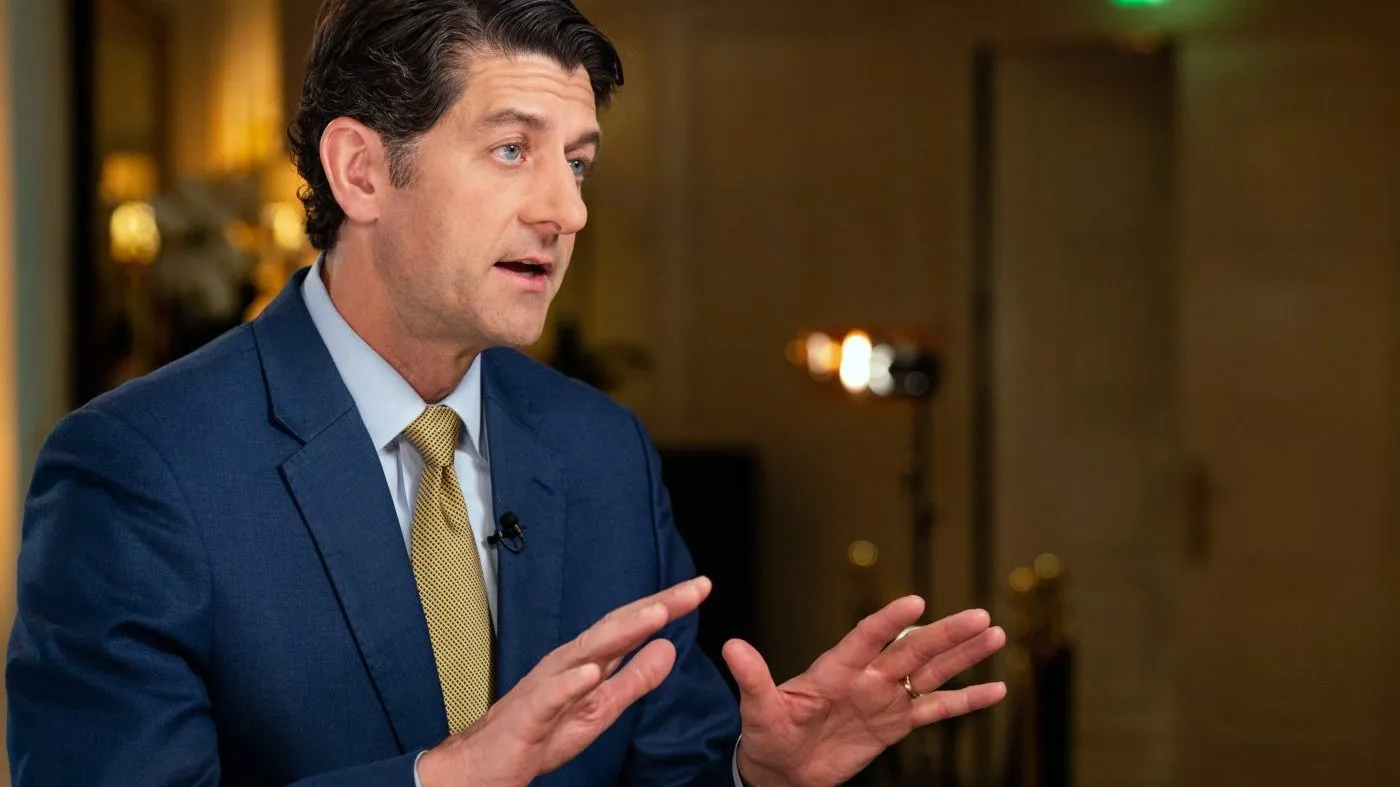
Former House Speaker Paul Ryan (R-Wis.) blasted the current state of American politics, arguing that both parties have focused on embracing populism rather than serious efforts to rein in the national debt.
“Our politics are just fundamentally unserious right now, and they used to be better,” Ryan said Thursday during an appearance on CNBC’s “Squawk Box.”
Ryan, who chaired the House Budget Committee before becoming Speaker, pointed to the growing federal debt as an issue that lawmakers seem increasingly unwilling to tackle ahead of November’s midterm elections.
“The Overton window in our politics is open for all these crazy ideas but closed for things like debt reduction,” he said.
Ryan recalled during his time in the House that lawmakers felt more compelled to make politically difficult votes on the federal budget without fearing the loss of their seats as a result.
When asked what’s changed since then, Ryan pointed to what he described as “grievance politics.”
“We became populist parties with populist beliefs. Things like debt reduction and entitlement reform are unpopular,” he said. “Therefore, we don’t have anything close to the politics we need to get this stuff done.”
His comments come as the national debt crossed $40 trillion last month , climbing rapidly since passing $39 trillion in the spring amid the Iran war.
The federal government owes more than $32.2 trillion to outside entities, or debt to the public, including local and foreign businesses and governments. It also owes $7.8 trillion to itself, with much of the debt being held in government trust funds such as Social Security.
Ryan, a former vice presidential nominee, served as House Speaker from 2015 until leaving Congress in 2019. He made reducing federal spending and benefits programs as central parts of his political agenda during his time on Capitol Hill.
Gathered from external sources. Rights to this text belong to whoever originally published it.