9 Simple Lifestyle Habits That Are Better for Improving Bone Density Than Taking Supplements
If you’re looking to improve your bone density and prevent fractures, try these science-backed lifestyle habits instead of relying on bone health supplements alone.
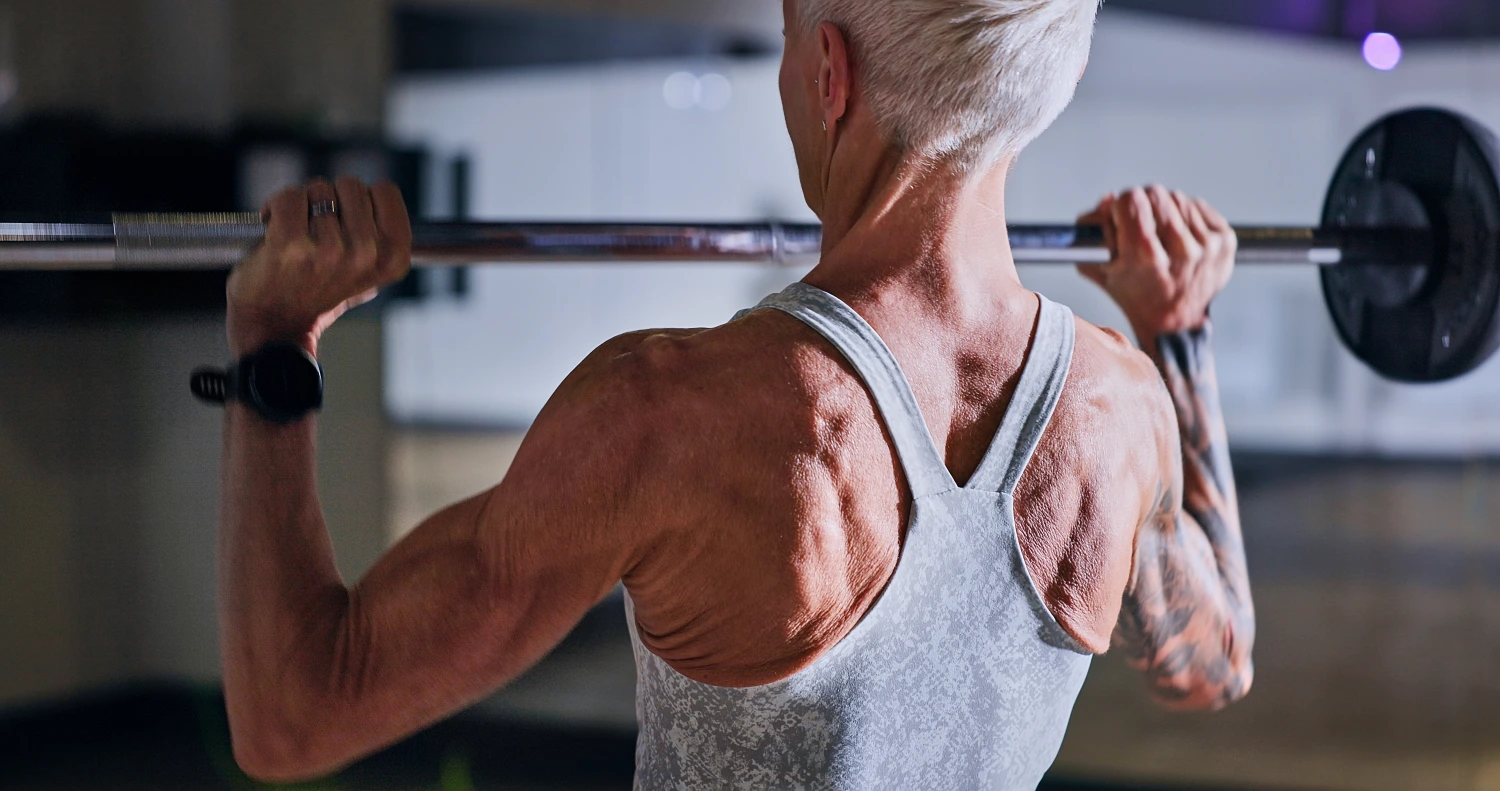
Plenty of changes happen in our bodies as we get older, including the loss of bone density. It may be less obvious than sagging skin or wrinkles, but weak bones can seriously impact our quality of life and mobility. If you’re over a certain age, you’ve probably considered taking a bone health supplement. These consist mainly of two nutrients, calcium and vitamin D, which both help maintain bone density. Bone density refers to how strong the bones are, which is measured by the amount of minerals in a certain volume of bone tissue. The more densely packed, the stronger the bones — the more porous, the weaker. Low bone density (osteopenia) can lead to osteoporosis, which causes bones to become brittle and break easily. People who are at risk of having low bone density can benefit from taking bone health supplements, Dr. Jocelyn Wittstein, an orthopedic surgeon and co-author of “The Complete Bone and Joint Health Plan,” tells TODAY.com. These include people who can’t get enough calcium or vitamin D from their diet and post-menopausal women, for example. However, some research suggests that calcium and vitamin D supplements may not offer as meaningful protection against fractures for healthy adults who don’t have nutrient deficiencies or risk factors. Plus, bone health supplements can come with risks, especially when taken in high doses. For the average person, adopting a combination of lifestyle habits — including diet and exercise — is often safer and more effective than relying on bone health supplements, Wittstein notes. Habits to Try Instead of Taking Bone Health Supplements Whether you’re at risk of osteoporosis or not, you can still take everyday actions to help maintain bone density, prevent bone loss and protect against fractures. The average adult will reach peak bone mass around the age of 30, which is why most experts recommend to start building bone density in your 20s. However, it’s never too late to protect the bone density you have left. Here are nine science-backed bone health habits to try: Eat Foods High in Calcium and Vitamin D The key nutrients to prioritize in your diet for bone health are calcium and vitamin D. “I am very much in favor of getting these through food because it’s likely more effective and absorbs better,” says Wittstein. Calcium is an essential mineral that helps the body build and maintain strong bones. Vitamin D enables the body to absorb more calcium from food in the intestines, Wittstein explains. These two nutrients work together to boost bone health. If you increase your calcium intake without sufficient vitamin D levels, the body can only absorb 10-15% of that calcium — but if you get enough vitamin D, calcium absorption is closer to 40%, TODAY.com reported previously. Adults need 1,000 milligrams of calcium per day, but post-menopausal women need 1,200 milligrams. The recommended intake of vitamin D is 600 IUs for adults and 800 IUs for adults over the age of 70, says Wittstein. Foods high in calcium include milk, yogurt, cottage cheese, sardines and canned salmon (with the bones). If you’re plant-based, opt for tofu, soy milk and kale. Vitamin D is found in fatty fish such as trout and salmon, eggs and raw mushrooms, says Wittstein. In the U.S., milk and cereals are often fortified with vitamin D. And Foods Rich in Magnesium and Vitamin K2 It’s also important to eat whole foods rich in other nutrients that support bone health less directly — which you typically don’t get in a standalone supplement. These include magnesium, which helps convert vitamin D into its active form, and vitamin K2. “Vitamin K2 does seem to play a role in the mineralization of bone by activating something called osteocalcin, which basically helps direct the calcium to bone,” explains Wittstein. The average adult needs about 320-420 milligrams of magnesium per day. “There’s some plausible benefit of getting 100 micrograms a day of vitamin K2,” says Wittstein. Foods high in magnesium include pumpkin seeds, almonds, chia seeds, spinach and cashews. When it comes to vitamin K2, the best food source by far is natto, a fermented soybean product, says Wittstein. Other foods high in vitamin K2 include sauerkraut, kimchi, tempeh and kefir. Get Enough Protein Daily Muscle health goes hand in hand with bone health. That’s why it’s important to get enough protein every day to help build and repair muscle tissue. “You don’t need an excessive amount of protein for bone health,” says Wittstein. The average adult needs 1.2–1.6 grams of protein per kilogram of body weight per day (or 0.54–0.73 grams per pound), according to the 2026-2030 Dietary Guidelines. If you weigh 150 pounds, that protein math works out to 81–109 grams per day, and about 20–40 grams of protein per meal. Instead of relying on protein shakes or bars, which are often highly processed, try to get your protein from whole food sources like lean meat, seafood, legumes, eggs, and dairy. Prioritize Fiber “One of the major components that contributes to bone health is getting adequate dietary fiber,” says Wittstein. It does so through what’s called the “gut-bone axis.” Fiber isn’t digested by the body. Instead, it travels to the gut, where it feeds healthy bacteria. The microbes ferment the fiber, producing short-chain fatty acids. “These have an anti-inflammatory effect by basically inhibiting some of the processes that lead to bone breakdown, and inhibiting cartilage breakdown,” Wittstein adds. Most American fall short of the recommended daily fiber intake — which is 25 grams per day for women and 38 for men. If you’re looking to increase your intake, eat more fiber-rich foods, including beans and legumes, raspberries, broccoli, pears, squash, oats or quinoa. Wittstein also recommends getting healthy fats and avoiding foods that can worsen inflammation. Take Up Resistance Training One of the most important habits to support bone health is regular resistance training. “Resistance training two or three days a week will improve bone density,” says Wittstein. Some of the best strength training exercises for bone density are compound movements that “also involve carrying weight in a way that’s loading your spine and hips,” says Wittstein. (Compound movements are exercises that work multiple muscles groups at a time.) Examples include weighted squats, overhead presses, deadlifts and the farmer’s carry. “Any exercise that’s weight-bearing is going to have some benefit. ... and (doing) more load-bearing exercises does slow the loss of bone density,” Wittstein adds. Lower-impact resistance exercises include push-ups, planks, lunges and moves using resistance bands. Incorporate Impact into Your Routine “If your body allows and you don’t have restrictions, participate in some kind of impact training,” Wittstein says. Impact training subjects the body to mechanical force, which occurs when we land on the ground or strike an object, TODAY.com reported previously. Think jumping or stomping. The force of the impact sends vibrations through the cells of the bones, which leads to more bone formation, Wittstein explains. Impact training is especially helpful for the hip region, which is prone to weakening and fractures as we age. The best impact training exercise for you will depend on your health and injury risk. Too much impact can do harm. The easiest impact training exercise is brisk walking. From there, you can graduate to heel drops, stomping, jogging, running and squat jumps. Always consult with your doctor before trying impact training, especially if you’re older or at risk of osteoporosis. Work on Balance and Mobility Balance and mobility exercises can protect bone health by preventing falls and therefore fractures. Falls are the leading cause of injury among adults ages 65 and older, according to the U.S. Centers for Disease Control and Prevention. In order to assess your balance and mobility level, you can try two simple tests (no equipment needed): the sit-to-stand test and the “Y balance test.” Try to incorporate exercises for mobility and balance into your weekly exercise routine, says Wittstein. These include: single-leg lifts, sideways walking, tai chi and yoga. “It’s also good to incorporate agility work, or exercises where you’re having to move your feet quickly. These are the skills that will ultimately keep you from tripping and falling,” says Wittstein. Avoid Excessive Alcohol or Nicotine Along with a healthy diet, limiting alcohol may help support bone health. “Drinking more than two alcoholic beverages per day has been shown to increase fracture risk,” says Wittstein. “You definitely want to avoid nicotine of all forms,” says Wittstein. This includes cigarettes, vaping and even nicotine patches. “Any systemic form of nicotine is a risk for bone loss.” Get Screened “One problem is people just don’t go to the doctor, or don’t have a primary care doctor,” says Wittstein. It’s important to get an idea of your underlying health, nutrient levels and risk factors. “I think it’s reasonable to make sure you’re not vitamin D deficient,” Wittstein adds. Healthcare providers can also screen you for low bone density using a DXA scan, an x-ray that measures the mineral content of bones, per the Cleveland Clinic. Regular DXA screenings are recommended for women ages 65 and older and men ages 70 and older, and younger people who have risk factors for osteoporosis. Always talk to your doctor if you have any questions.
Topics in this story
Gathered from external sources. Rights to this text belong to whoever originally published it.