The road to recovery after spinal cord injury: Why neuro-rehabilitation matters
A person life changes in seconds once they suffer from a spinal cord Injury A fall, road accident or sports injury may leave someone unable to move their
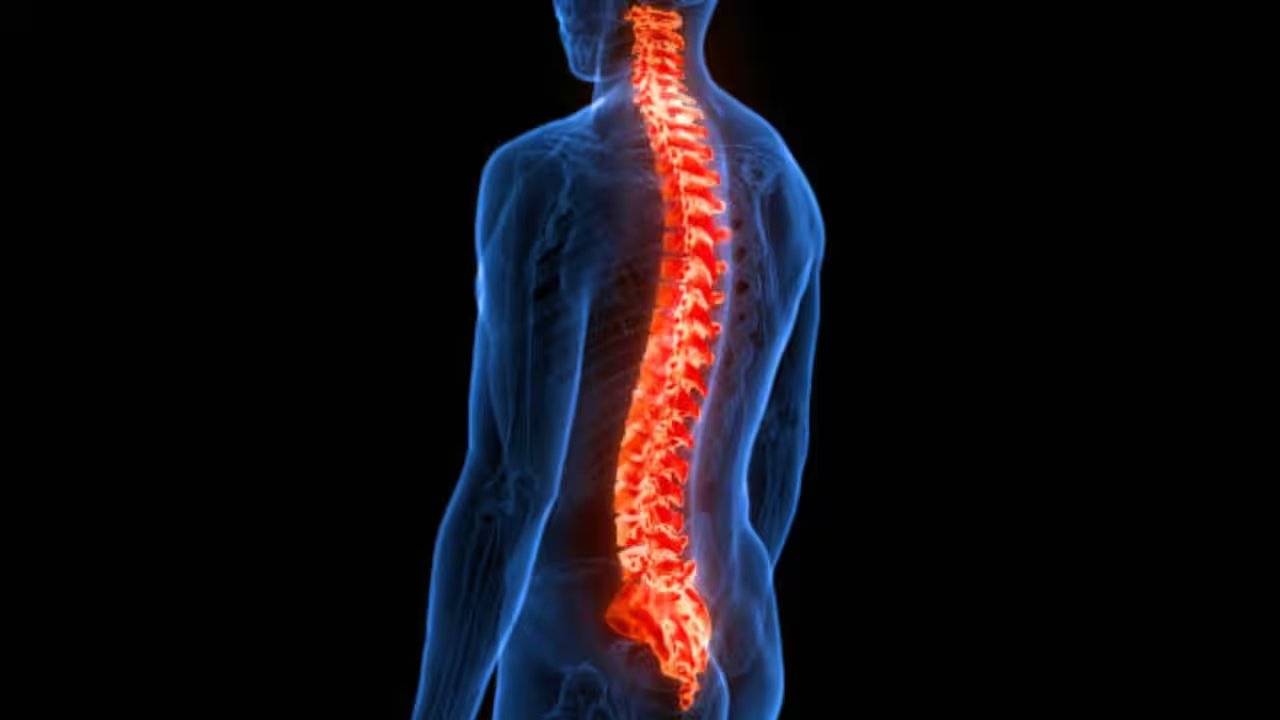
A person life changes in seconds once they suffer from a spinal cord Injury A fall, road accident or sports injury may leave someone unable to move their legs, sit without support or manage basic daily tasks. Surgery is often the first priority because the spine needs to be stabilised and protected from further damage. But surgery is not the only aspect, another important phase begins post operation. That is where neuro-rehabilitation comes in.For a person with spinal cord injury, recovery is not simply about getting the spine to heal. It is about helping the body make the best possible use of the function that remains, while retraining movement and everyday skills. This process is often long, demanding and, at times, frustrating. Yet, with a structured rehabilitation plan, even small improvements adds up to meaningful independence.Taking example of a recent case gives a better idea about the importance of rehabilitation. A 40-year-old man suffered a fall during a holiday in Manali. He fractured his first lumbar vertebra and sustained a severe spinal cord injury. He lost movement and sensation in both legs and underwent emergency spinal surgery in Delhi. The surgery stabilised his spine, but he remained paralysed below the waist.When he subsequently began an intensive neuro-rehabilitation programme, even basic activities were difficult. He could not sit, stand or walk independently and needed substantial assistance with dressing, bathing and toileting. His rehabilitation therefore had to go beyond simply trying to make him walk again.Rehabilitation doesn't mean doing a task again and again. It is structured program led by a Physical Medicine and Rehabilitation (PM&R) doctor who are also called a physiatrist. They lead the rehabilitation teams including physical and occupational therapists to guide the patient recovery". Physiotherapy, focuses on improving muscle strength, balance and movement. Occupational therapy which helps patients relearn practical tasks such as dressing, transferring from bed to a chair and managing personal care. Rehabilitation nursing helps with bowel and bladder care, skin protection and other complications.Technology can add another layer to this process. Robotic gait training, functional electrical stimulation, sensor-based balance exercises and virtual reality can provide repetitive and controlled practice. The aim is not to replace hands-on therapy, but to give patients more opportunities to practise movements safely and consistently.A key concept behind this approach is neuroplasticity; It is the term the used to highlight the nervous system's ability to adapt and reorganise in response to injury. Repetition matters. When a same movement is repeated again and again, the brain and the nervous system receive repeated signals associated with that task. Rehabilitation uses this core principle through structured, goal-based exercises rather than leaving recovery to time alone.The Manali patient gradually demonstrated what this approach can mean in practical terms. Over the course of rehabilitation, muscle strength in both lower limbs improved from 0/5 to 4/5 on clinical muscle testing. Sensation also began returning, along with improvements in bladder and bowel awareness. He regained independence in bed mobility, developed good sitting balance and progressed to standing with supervision. He was eventually able to walk indoors, including to the bathroom, with supervision.The larger lesson is that spinal surgery and neuro-rehabilitation serve different but connected purposes. Surgery stabilises the injury and Rehabilitation works towards improving function, preventing complications and helps the patient adapt to life after the injury.Recovery after spinal cord injury rarely follows a straight line. Some days bring visible progress; others may seem unchanged. That does not make the rehabilitation process any less important. The goal is to keep building on whatever function is possible and turn clinical gains into practical independence.Surgery may mark the beginning of treatment, but it should not be the end of recovery. The road continues through months of focused rehabilitation, and with the right support, a simple progress which may seem not much gradually helps in complete recovery.Dr. Amit Dhumale, Director- Rehabilitation, Jupiter Hospital, ThaneGet the latest movie news, reviews, and celebrity updates. Download the TOI App.
Topics in this story
Gathered from external sources. Rights to this text belong to whoever originally published it.