6 Foods to Boost Your Serotonin, Your ‘Feel-Good’ Hormone
Dietitians share animal and plant proteins that support mental health.
Reviewed by Dietitian Jane Leverich, M.S., RDN
Serotonin is a neurotransmitter that helps keep your mood stable and your brain feeling good.
Dietitians agree that what you eat may influence your body's serotonin levels.
Staying active and prioritizing gut health may also help boost serotonin.
We all want to feel good, and serotonin plays a big role in that. Serotonin is a neurotransmitter that helps regulate everything from digestion and behavior to mood and memory. It's best-known for its role in mental health. Low serotonin levels have been linked with major depressive disorder, post-traumatic stress disorder, obsessive-compulsive disorder and anxiety disorders. In turn, medications for these mental health issues often target serotonin, the most common ones being selective serotonin reuptake inhibitors (SSRIs). That said, you may not have realized that what you eat can also influence your body's serotonin levels.
"What you eat creates the building blocks for serotonin, with the main player being the amino acid tryptophan," says Caroline Young, M.S., RD, RYT . This amino acid gets turned into serotonin in the body, so eating enough of it is important for maintaining healthy serotonin levels. The good news: A variety of animal proteins and plant proteins offer this precursor to serotonin. We interviewed three dietitians to share the top six foods to boost your serotonin. Here's what they said.
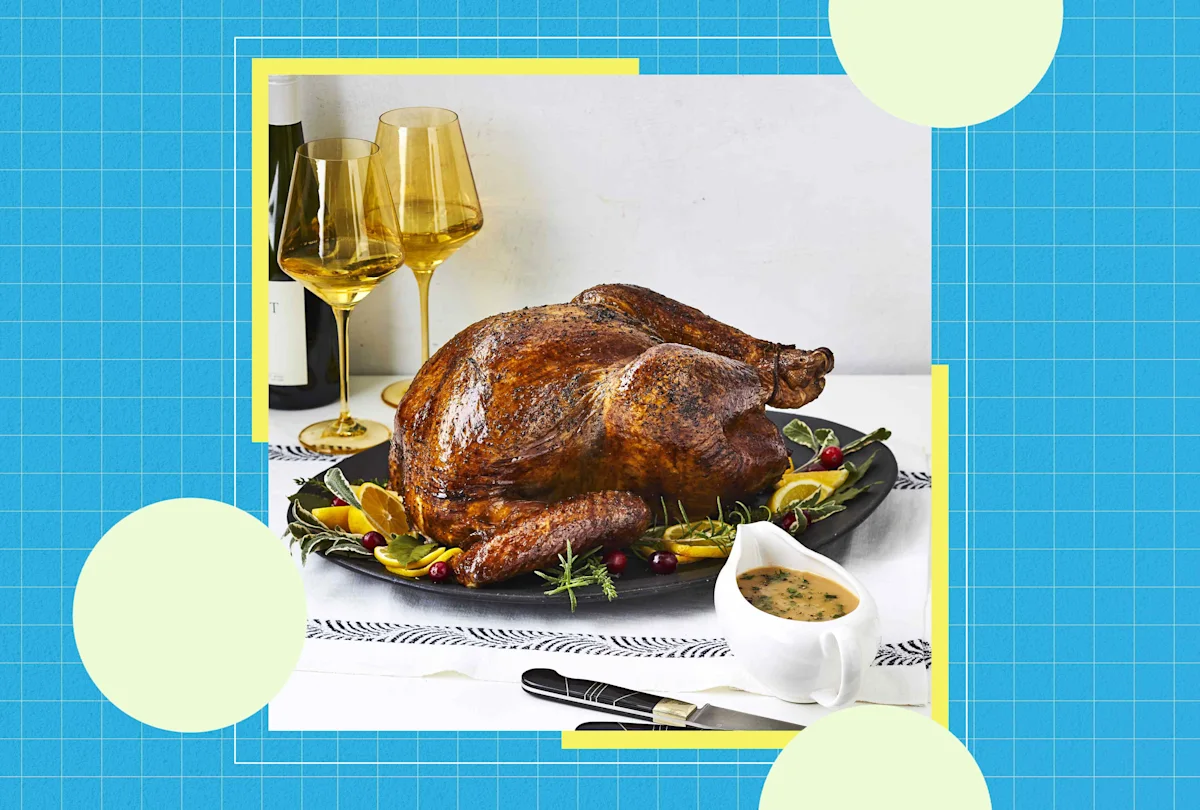
Tryptophan is one of the amino acids—the building blocks of protein. So it's no surprise that a protein-rich food like turkey provides this precursor to serotonin. One serving provides 244 milligrams of tryptophan, making it one of the best food sources of the amino acid. Plus, "The tryptophan in poultry is highly bioavailable, meaning your body will easily absorb the tryptophan and use it efficiently," says Val Warner, M.S., RD, CSSD, CPT .
Another animal protein, salmon also provides all of the essential amino acids, including tryptophan. One serving of salmon provides 242 mg of tryptophan, making it another excellent food source of this amino acid. Between that and its omega-3 fatty acid content, salmon is one of Paloma Vega, M.S., RD, LD 's top food recommendations for boosting serotonin. The omega-3s in salmon are heart-healthy fats that combat inflammation and upregulate serotonin production. In fact, studies show that eating fish like salmon daily may be linked to a lower risk of depression.
This breakfast staple comes recommended by Vega and Warner. "Eggs provide tryptophan and high-quality protein, giving the body amino acids needed to support serotonin production," says Vega. Each egg has 84 mg of tryptophan, so if you have three eggs you'll match the tryptophan in a serving of salmon or turkey.
As far as plant proteins go, tofu is an excellent option for boosting serotonin. "Soy is one of the only plant foods that is considered a complete protein," says Warner, meaning it provides all of the essential amino acids, including tryptophan. You'll get 200 mg of tryptophan in one serving of tofu. "Not every plant food has tryptophan, so for those who are vegan it's critical to get a variety of plant foods to ensure they're getting all essential amino acids, including tryptophan," adds Warner.
"Cheese is a source of tryptophan—the essential amino acid needed to create serotonin," says Young. Additionally, research suggests that eating cheese may be linked with lower rates of depression. One serving of Cheddar has 233 mg of tryptophan, and the same serving of Parmesan provides 205 mg. So embrace cheese not just as a satisfying savory snack, but also as a way to potentially increase serotonin.
Beans provide plant protein and a potential serotonin booster all in one! Plus, they're an incredible source of fiber . "Their fiber also supports a healthy gut microbiome, which plays an important role in overall gut and brain health," says Vega. A whopping 95% of serotonin is produced in your gut. While this serotonin doesn't cross the blood-brain barrier, a healthy gut can still promote mental health thanks to the gut-brain axis.
Eating these foods is definitely not the only way to boost serotonin. Here are some other ways to help support the neurotransmitter:
Be active . There are many reasons to be active , and boosting serotonin is yet another one. "Serotonergic activity increases with physical activity, and the serotonin receptors become more sensitive in the brain, making it easier for the neurotransmitter to be absorbed and utilized," explains Warner.
Prioritize gut health. "Since much of the body's serotonin is produced in the gut, maintaining a healthy gut microbiome may also play a role in serotonin regulation," says Vega. For a healthy gut, eat foods rich in probiotics, fiber and prebiotics, including yogurt, kefir, fruits, vegetables and legumes .
Get outside. "Go outside first thing in the morning and get some daylight to increase your brain's serotonin levels—bonus if the sun's out," says Young. Sunlight regulates serotonin levels, so spending time outside when you can may help boost your mood.
Work with a doctor . For some people, lifestyle changes aren't enough to regulate serotonin levels. Your doctor can help determine if you would benefit from other treatment options like medications.
What you eat influences how much serotonin is in your brain and how your body regulates this neurotransmitter. The best foods for boosting serotonin tend to be ones high in protein since they contain tryptophan—the precursor to serotonin. To increase your intake of tryptophan and other serotonin-boosting nutrients, dietitians recommend turkey, salmon, eggs, tofu, cheese and beans. However, don't put all your eggs in the metaphorical diet basket. "Food and lifestyle choices impact serotonin production and improve mood; however, they're not a replacement for medical treatment," says Warner. Speak with your doctor for individualized support managing mood concerns.
Topics in this story
Gathered from external sources. Rights to this text belong to whoever originally published it.