Irritable Male Syndrome Is Real — And It Might Be To Blame For Your Relationship Struggles
Decreasing testosterone levels in midlife can cause a host of physical and emotional issues in men.
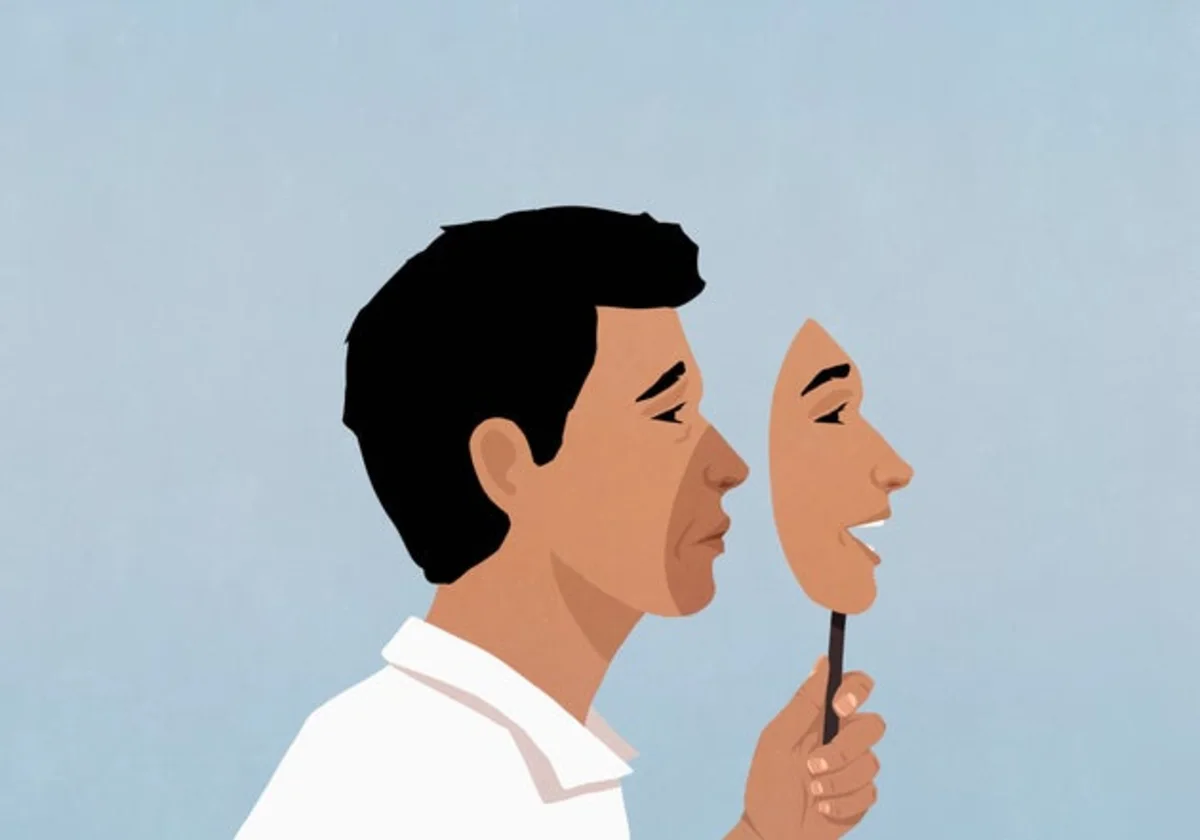
Hormonal changes are a normal part of many phases of life ― for both women and men. Yet one is talked about more than the other. (We'll let you guess which one.)
One example? Hormonal changes in middle-aged men are often brushed off as a "midlife crisis," but experts say that couldn't be further from the truth. For men in their 40s or 50s, hormonal changes (such as a testosterone decrease) along with societal pressures can lead to a range of physical and emotional symptoms, said James Davis , a coaching psychologist and owner of Midlife Mentors in the U.K.
"Irritable male syndrome" is a condition that describes the drop in testosterone and other hormonal changes that can happen as men age. It is not a clinical diagnosis but is a recognized issue that was named by Scottish scientist Gerald Lincoln.
This time in life is more formally known as andropause, according to Davis. (This is the term Davis prefers.) "I think the serious side of this is a lot of men are adversely affected with their psychological health," Davis said.
Andropause is a time of increased anxiety, lower confidence, worries about midlife accomplishments and more. These issues impact men on a day-to-day basis and can add major stress in partnerships.
Ahead, experts break down exactly how issues related to low testosterone can impact relationships:
"If your testosterone is lowered, you can be more anxious [and] less confident," Davis said. "Then, if we layer on that, it's midlife and we start asking ourselves existential questions about, 'Am I where I wanted to be?' 'Is this what I have planned?' 'What's next for me?' It questions our whole sense of identity about who we are and what our place is in the world."
Mood changes are common during this time, said Mykal Manswell , a licensed professional counselor with Thriveworks. In addition to anxiety, depression can become more prevalent in middle-aged men, too, Manswell said.
In a relationship, anxiety, depression and lower confidence can show up in many ways — perhaps anxiety spirals that you talk out with your partner or a lower mood that means fewer date nights with your partner.
"It varies because everyone's human experience is different, but those are some of the statuses that we see, especially within the research as of lately," Manswell said.
"One that comes up all the time is intimacy, because we know it can be a really tricky time for both men and women," Davis said. "Libido can fluctuate, disappear." Erectile dysfunction issues can also happen at this time.
These issues can cause a "whole cascade of psychological triggers for men," he added. "And what they'll tend to do, sadly, is rather than try and talk about that, [they'll] withdraw."
Instead of withdrawing, Davis suggests talking to your partner about what's going on — and even finding a health professional who can help, too.
Like this article? Keep independent journalism alive. Support HuffPost .
3. Sleep Disruption, Which Can Lead To Lower Mood
Andropause and low testosterone can also cause sleep disruptions and loss of sleep.
"The relationship that you overall have with sleep, that is such a core contributing factor to your overall functionality as a human," Manswell said.
Poor sleep during midlife can lead to irritability and mood changes, he noted.
Traditionally, men haven't been encouraged to focus on their emotions and reach out for social support, said Kevin Ramotar , a clinical psychologist and the director of clinical product and AI at Grow Therapy .
"And we know that has been harmful," he noted, before adding that this is changing, but there is still a culture of suppressing emotions and not paying attention to underlying issues.
"But that becomes harder to do as you enter later life — maybe your kids are older ... the relationship issues that you've been tucking away and the resentment that you could have been building now starts to surface," he added. "You can only suppress things for so long until they come out."
This may come out as anger, sarcasm or irritability. "It's really just another form of externalizing depression, sadness," he said.
"I think as you move down the lifespan, in my opinion, the suppression gets weaker and it starts ... to come out, and it's harder to ignore, so you have that going on," he said.
In a relationship, this could look like snapping at your partner over issues that aren't serious or even pulling away if the resentment runs too deep.
As men age, muscle loss occurs, Manswell said. Your endurance can decline, too. Meaning, if you and your partner used to be avid exercisers or had a daily gym or walking routine, it may become harder to build up the motivation to stick to this.
The unfortunate reality is that this midlife low mood can turn into a "negative perpetuating cycle," Ramotar said.
"Where it's like — I need help, but I'm not asking for it. I'm pushing you away and then you step away from me," he said. In some cases, this negative cycle can result in late-life divorce.
While divorce is the right choice in some situations, seeking out mental health support can be a way to better communicate with your partner and understand what you're going through.
"You don't have to always wait until adversity hits to seek help," said Manswell, "and so the more preventative health measures that you can make, you might be able to catch things early on as well."
Mental health support is a big part of this, but so is physical health support.
"It's really when you start noticing the symptoms for a consistent period of time is when you should go and see your doctor ... a simple blood test will tell you what your testosterone levels are, and then you can look at your options," Davis said.
There are lifestyle adjustments that can help raise testosterone levels , Davis noted, such as getting good sleep, getting movement during the day, cutting out processed foods and more.
"There's a whole load of things we can do from a lifestyle perspective. If that's not working, then there is the option of testosterone replacement therapy, which is when ... we introduce testosterone to our system," Davis said.
This isn't an option for everyone, and it is a lifelong medical commitment, he said, but it is a good thing to be aware of.
If you're struggling with signs of andropause, it's worth talking to both mental health and physical health professionals, Manswell said. This can help you get back to feeling like you used to.
Topics in this story
Gathered from external sources. Rights to this text belong to whoever originally published it.