Can air pollution cause lung cancer? How long-term exposure to PM2.5, vehicle emissions, industrial fumes and indoor smoke can increase cancer risk, symptoms to watch for and ways to protect your lungs, explained by an oncologist
Lung cancer is often associated with smoking, however, there are many other risk factors including exposure to air pollution and certain environmental and
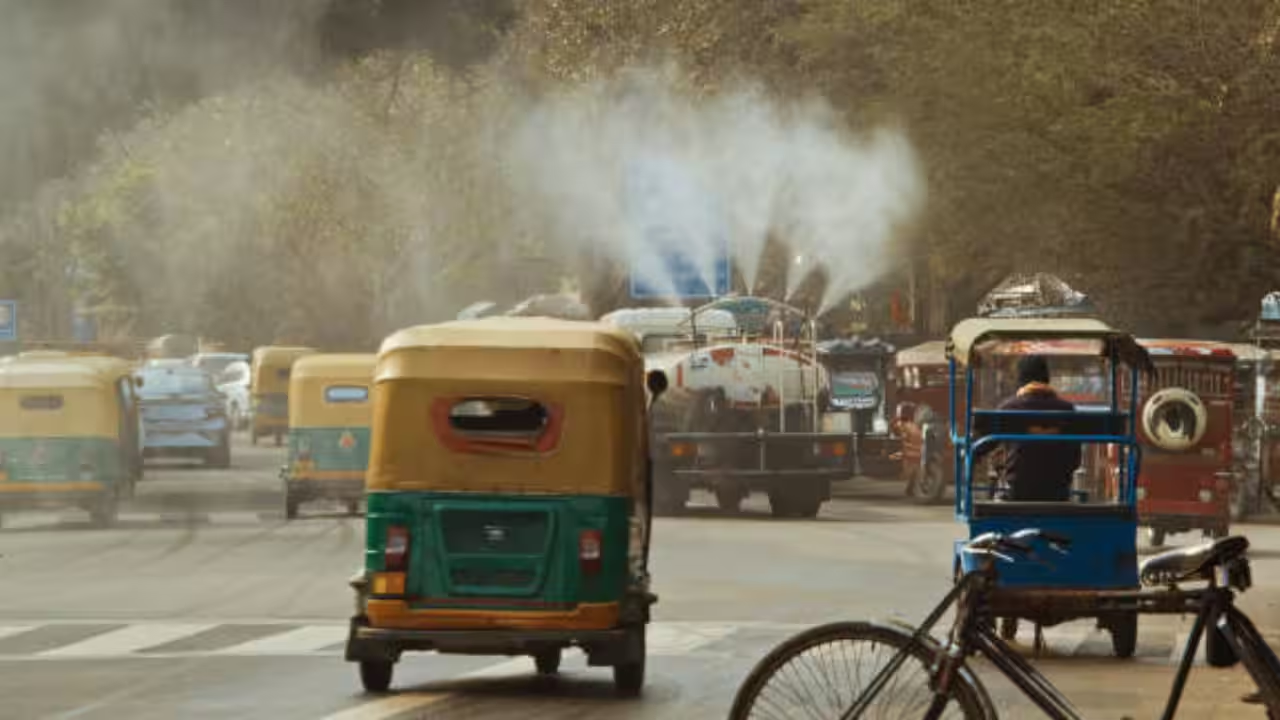
Lung cancer is often associated with smoking, however, there are many other risk factors including exposure to air pollution and certain environmental and occupational substances. As air quality is becoming a concern in many Indian metros, it is important to understand the link between pollution and lung cancer.How is air pollution linked to lung cancer?Air pollution involves many harmful gases and small particles which can enter the respiratory system. Some of the particles are very minute and can enter deep into the lungs causing damage including inflammation and oxidative stress. Particulate matter in the air, specifically PM2.5 is a concern as the particles are small enough to enter the deepest part of the lungs. Long term exposure to air pollution outdoors and particulate matter has been classed as a carcinogen by the international agency for research on cancer (IARC), meaning there is enough evidence to show that outdoor air pollution can increase your risk of lung cancer manifold.However, the risk of developing lung cancer will depend on a number of factors including how long you are exposed to the pollution, levels of exposure, your inherent susceptibility, lifestyle and other environmental factors.Environmental risks that can increase riskOutdoor air pollution is an important environmental risk factor in relation to lung cancer. Car fumes, industrial processes, building dust, burning waste and fossil fuels can all cause poor air quality. Those living in highly polluted urban areas may be exposed to higher levels of pollution for longer periods of time. Indoor air pollution can also cause issues. Smoke from cooking using fuels can cause exposure to harmful substances over a period of years. Tobacco smoke including second and third hand smoke can also be a large risk.Occupational risks may cause increased exposure to carcinogens. Working within industries involving asbestos, diesel exhaust, welding fumes and other industrial chemicals can put those working in these industries at increased risk. This can be increased if proper safety measures aren’t taken.Can non-smokers develop lung cancer due to pollution?Yes! While smoking is the main risk factor for lung cancer, non-smokers can still develop lung cancer. Long term exposure to air pollution, second-hand smoke, radon and certain substances within the workplace can increase your risk.Non-smokers often develop a type of non-small cell lung cancer called adenocarcinoma. Some patients may have specific genetic changes such as EGFR or ALK. Knowing what genetic changes, you may have can help your doctor choose the best targeted therapy. Remember lung cancer doesn’t always relate to smoking and if you are experiencing ongoing symptoms, it is important to seek medical advice.Symptoms to look out forSymptoms of lung cancer can often develop slowly and can mimic common lung issues. Symptoms to look out for include a persistent cough, coughing up blood, unexplained weight loss, chest pain/discomfort, breathlessness and frequent respiratory infections.If your cough changes or isn’t improving with treatment it is important to seek medical advice. These symptoms don’t necessarily mean you have cancer but can help identify the cause of your symptoms so you can get the right treatment as soon as possible.How is lung cancer caused by pollution diagnosed?Your doctor will want to know your full medical history, perform a physical examination and ask about your symptoms and risk factors. Based on this they may want to carry out some imaging such as an x-ray or CT scan of your chest. If they find an abnormality, they may want to carry out further investigations such as a pet CT scan, bronchoscopy or biopsy. A biopsy is usually needed to make a diagnosis. Further genetic testing may be advised to see what genetic changes you have. Low dose CT scans as a screening tool may be advised if you fit into the high-risk criteria (mainly for chronic smokers). However, it is not advised as a general screening tool.Can the risk be reduced?you cannot completely avoid air pollution there are ways to reduce your exposure. Avoid all forms of tobacco, improve ventilation in your home, avoid cooking smoke and follow safety guidelines at work. If the air quality is poor try to avoid spending long periods of time outside, especially near busy roads/building sites. If working in an environment where you are exposed to harmful dust/fumes/chemicals wear properly fitting protective gear.Why it is important to detect lung cancer earlyAir pollution is an important environmental risk factor for lung cancer. While not everyone who is exposed to polluted air will develop lung cancer, long term exposure shouldn’t be ignored. Knowing the symptoms to look out for, knowing your risk factors and seeking medical advice can help detect lung cancer early. To keep your lungs healthy try to avoid exposure to harmful pollutants and raise your awareness.Dr. (Prof.) Vishwanath S, Lead Oncosciences Karnataka region, Senior consultant and academic advisor, Department of medical oncology, Apollo hospitals, Bengaluru
Topics in this story
Gathered from external sources. Rights to this text belong to whoever originally published it.