Wisconsin reports its first measles death in decades, the third in the U.S. this week
The infant’s death followed a measles-associated death reported Wednesday in Pennsylvania and another Monday in New York.
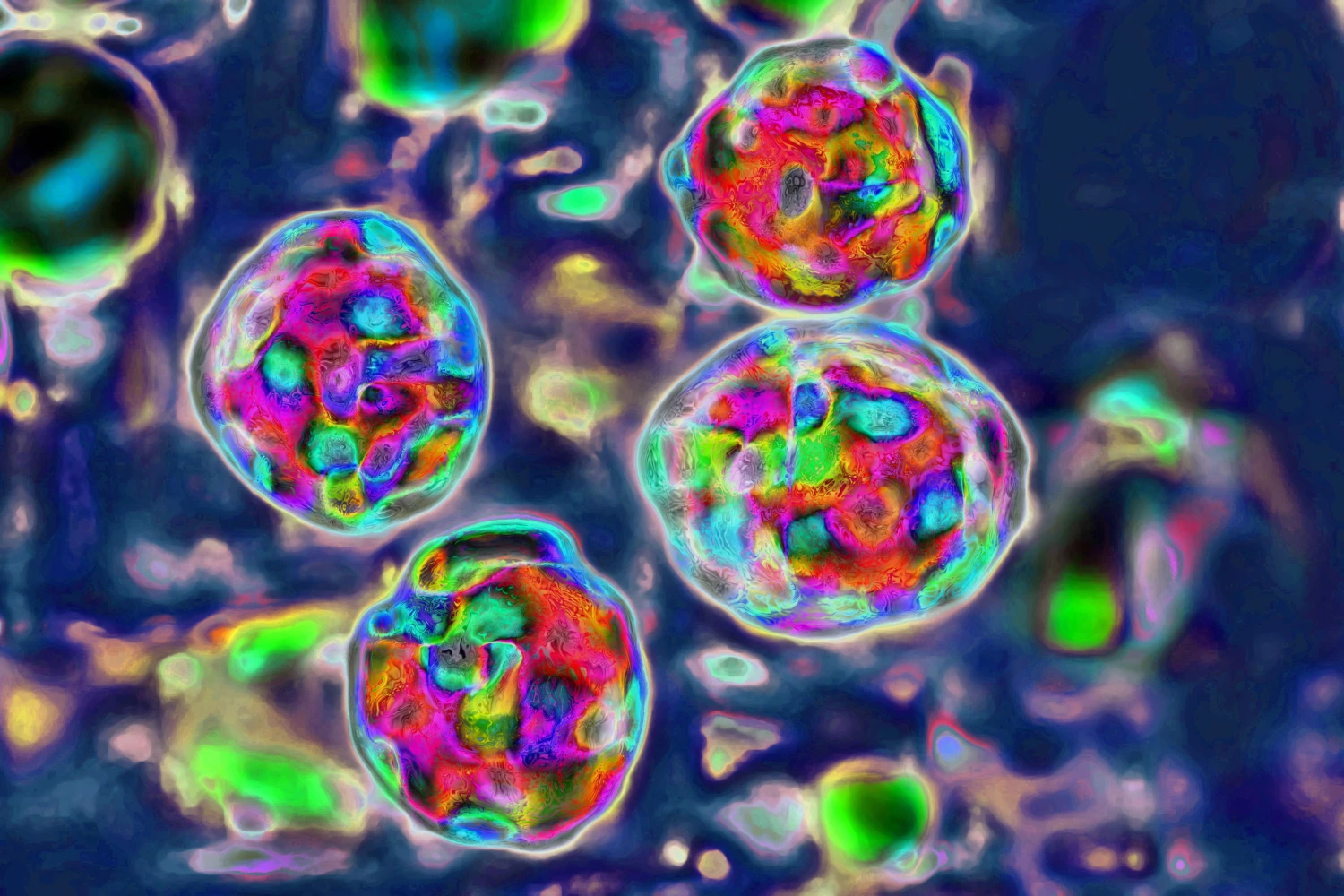
An infant in Wisconsin has died of measles, the state health department said Thursday — the third measles-related death reported in the U.S. this week. It’s Wisconsin’s first measles-related death since 1990, the Health Service Department said, adding that a coroner had listed measles as the infant’s immediate cause of death. The news came just one day after Pennsylvania’s Health Department reported another measles-associated death there — the state’s sixth this year. It said Wednesday that an unvaccinated resident in Jefferson County who tested positive for measles had died. On Monday, New York health officials announced that a child in Lewis County had died of measles. Gov. Kathy Hochul declared a statewide disaster emergency over measles in early October. In total, the U.S. has recorded eight measles-associated deaths this year, according to state health department data. It’s the highest measles death toll in the country since 1991. The Centers for Disease Control and Prevention has confirmed four of those deaths. It says it will update its count “as additional information becomes available and relevant reviews are completed.” None of the eight people who have died were vaccinated, according to state health departments; some were ineligible because of their age or health status. Typically, the first dose of the vaccine is administered around a child’s first birthday. Before the outbreaks in Wisconsin, New York and Pennsylvania, none of the states had recorded a measles death in more than 30 years. Dr. Stephanie Schauer, the immunization program director at the Wisconsin health department, said some chains of transmission started with residents traveling out of state to events like funerals and weddings. The department is recommending an early dose of the measles vaccine for infants as young as 6 months who are at increased risk of exposure. Around 500 such early doses have been administered since August, Schauer said. Around 85% of kindergartners in Wisconsin have been vaccinated against measles — below the national average of 92%. Experts say 95% is the threshold needed to keep the population protected. “We can actually eliminate transmission of measles in the community by getting enough people vaccinated,” said Dr. Ryan Westergaard, the state epidemiologist for communicable diseases. “We have the opportunity to take a disease that could affect everybody and essentially make it go away.” The health department said it has sent out 2,000 additional measles vaccine doses to local health departments over the last few months. Nationally, the CDC has confirmed 4,852 measles cases this year — more than double last year’s count and the most since 1991. The dramatic rise is linked, in part, to a decline in vaccination rates across the country. Two doses of the measles vaccine are 97% effective against the disease. Pennsylvania’s outbreak, which began in April, is by far the largest in the country, with a case total approaching 1,500 across 45 counties, according to the state Health Department. A Franklin County coroner reported an additional death last month possibly linked to measles, but the state Health Department said Wednesday that it has not yet confirmed any deaths as measles-associated in the county. Measles has been considered eliminated in the U.S. since 2000, a designation that indicates the virus is no longer constantly circulating, though there can be occasional outbreaks. The Pan American Health Organization, a group within the World Health Organization, will meet next week to determine whether the U.S. should lose its elimination status. Measles infections are particularly dangerous for babies and young children, whose immune systems aren’t always developed enough to fight an infection. Roughly 1 to 3 out of every 1,000 children with measles die from respiratory and neurological complications, according to the CDC. Measles often starts with a high fever, cough, runny nose and pink or watery eyes. From there, people may develop white spots on the insides of the cheeks near the molars and a blotchy rash of flat, red spots. Severe cases can progress to pneumonia or swelling of the brain.
Topics in this story
Gathered from external sources. Rights to this text belong to whoever originally published it.