These 8 foods and drinks may be hurting your sleep — here’s what experts say to avoid
Caffeine can linger for hours, while other nighttime favorites may take longer to digest, trigger reflux or otherwise interfere with restful sleep.
Our experts independently review everything we recommend. If you buy through our links, we may earn commission.
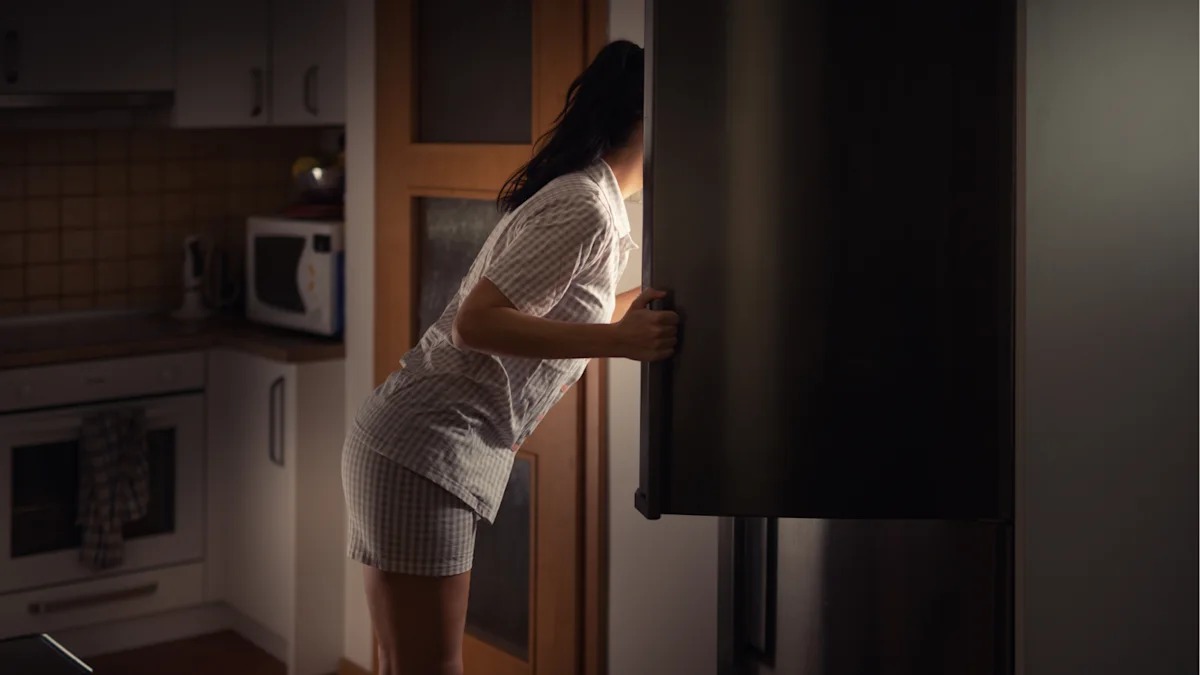
Trouble falling asleep ? Feeling like acid is creeping back up your throat? Your dinner or bedtime snack might be to blame. But going to bed with your stomach rumbling isn't exactly ideal either. The good news is that you don't have to avoid eating or drinking before bedtime entirely. The key is being strategic.
"Ideally, you should eat your last big meal of the day at least two to three hours before lying down for bed. This can help you reduce the chance of nighttime reflux, make you more comfortable and promote a good night's sleep," says gastroenterologist Dr. Edmundo Rodriguez-Frias . But that doesn't mean you need to stop eating altogether. "It's important to honor your body's hunger cues. If you are hungry before bed, I would recommend eating a small, light snack to tide you over until breakfast," he adds.
Timing isn't the only thing that matters — what you eat or drink is just as important. To help you decode the habits that may be making it hard to sleep comfortably at night, and what to eat or drink instead, I used my expertise as a dietitian to dig into the latest research and guidelines and consulted four health experts, including two doctors, a fellow dietitian and a neuroscientist who specializes in sleep. Here are the eight foods and drinks they recommend avoiding before bed and what to reach for instead.
✅ What to do instead: Cut caffeine after lunch (or six to eight hours before bed) and reach for a caffeine-free swap, like chamomile or rooibos tea.
It may be tempting to grab a pick-me-up during the 3 p.m. slump, but doing so could work against you later. "Caffeine is a stimulant that can make it harder to fall asleep and reduce total sleep time, even when consumed several hours before bed," says Dr. Fariha Abbasi-Feinberg , a sleep specialist and spokesperson for the American Academy of Sleep Medicine.
According to a 2023 review , the half-life of caffeine varies widely among individuals, ranging from two to 10 hours. To avoid reductions in total sleep time, researchers estimated that a standard cup of coffee should be consumed at least 8.8 hours before bedtime. Caffeine isn't limited to your morning latte: soda, energy drinks , green and black tea and some protein bars and powders can be hidden sources.
We've tested the best teas for sleep , and if you want something cozy to wind down with in the evening, we recommend the caffeine-free Numi and Tazo options featured below. Rooibos tea is another caffeine-free alternative.
✅ What to do instead: Mix up a mocktail or try a nonalcoholic beverage.
Alcohol may make you feel drowsy at first, but Abbasi-Feinberg warns that it can disrupt sleep later in the night, leading to poorer-quality rest overall .
Chelsie Rohrscheib , PhD, head sleep expert and neuroscientist at Wesper, agrees. "Alcohol is initially sedating and may help you fall asleep," she explains. "But as the alcohol is metabolized in the liver, it's converted into a byproduct that's actually stimulating and wake-promoting to the brain. This can lead to sleep fragmentation and insomnia in the second half of the night."
If you're craving something to help you unwind, look for beverages or supplements formulated to promote relaxation without alcohol. Magnesium glycinate is a popular option that may support rest, and it's often paired with L-theanine — a calming amino acid — in sleep and stress-relief formulas. Chamomile and lemon balm are also common in sleep teas for their stress-relieving properties.
If you're after something more festive, the non-alcoholic (NA) market has expanded well beyond sparkling apple cider — you'll find NA beer, wine and even alcohol-free whiskey and tequila. Just note that some NA drinks are carbonated, which may worsen reflux in people who are sensitive to it. If you are making a mocktail, consider using tart cherry juice. Tart cherries contain natural melatonin and tryptophan, meaning they may help you fall asleep more easily.
✅ What to do instead: Prioritize low-sugar snacks that contain fiber or protein.
"Sugary foods and simple carbohydrates cause an initial spike in blood sugar, followed by a quick crash," says Rohrscheib, which can make it harder to stay asleep. "When your brain detects that your blood glucose levels are low, it will wake you up to eat, since starvation is considered more of a survival threat than sleep loss."
So instead of reaching for a cookie or a pint of ice cream, opt for something that's easy to digest and includes protein or fiber. Protein bars can work well, depending on the ingredients, as can cottage cheese and Greek yogurt. Almonds are another solid choice — beyond healthy fats and protein, they're rich in magnesium , a mineral that may support sleep and relaxation. If cereal is your go-to nighttime snack, swap in a lower-sugar option with some protein or fiber to help keep blood sugar levels stable.
Catalina Crunch Protein Cereal, Blueberry Muffin
✅ What to do instead: Swap peppermint tea and candies for ginger tea and chews.
Peppermint is often used after meals to settle the stomach, but registered dietitian Jana Hand notes that it can actually work against you: Because peppermint may relax the lower esophageal sphincter, it can make reflux more likely instead of easing it.
If you want something to soothe an unsettled stomach, ginger is a solid alternative. You'll find ginger tea at most grocery stores, along with ginger chews — just look for options that are low in added sugar.
✅ What to do instead: Opt for vanilla- or fruit-flavored treats instead.
This one might be the hardest to hear: Both Hand and Rodriguez-Frias included chocolate on their lists because it may relax the lower esophageal sphincter, making reflux more likely.
It's also often high in added sugar and, as Abbasi-Feinberg points out, does contain some caffeine, even if the amount is small.
Instead, swap in a non-chocolate treat that's lower in added sugar. Flavored almonds are a great option, since almonds also provide magnesium. If you're craving something cold, try frozen yogurt bars, like Yasso.
SkinnyDipped Lemon Bliss Almonds, 24-pack
Yasso Sea Salt Caramel Frozen Greek Yogurt Bar
✅ What to do instead: Opt for baked or air-fried versions, and watch your portion sizes.
Fat takes longer to digest than simple carbs, which is usually a plus for staying full — but at night, that becomes a drawback. Because your body is still working to break down fat, high-fat foods can make it harder to fall asleep and may trigger reflux, especially if they're fried or greasy.
"Gravity is very important for preventing acid reflux throughout the night during the breakdown of food in the stomach," explains Rodriguez-Frias. "If you lie down directly after a meal, gravity is no longer able to keep your stomach contents inside your stomach where it belongs, and stomach acid can begin to creep up your esophagus, causing that classic heartburn pain."
So instead of ordering mozzarella sticks or a bacon-topped burger, look for ways to cut back on fat, and opt for healthier fats — like avocado or olive oil — when you can. Air fryers are a great way to get a similar crispy texture without all the added fat from deep-frying, and baking or roasting works just as well if you'd rather skip another appliance.
✅ What to do instead: Use mild seasoning blends, and save spicy dishes for lunch or early dinner.
Hand recommends avoiding spicy foods before bed, especially if you regularly experience reflux. Rohrscheib agrees: "When we lie down, the contents of our stomach are more likely to flow back into the esophagus, causing pain and discomfort. Spicy, acidic and fatty foods are more likely to cause this discomfort, leading to indigestion and heartburn during sleep."
The fix is simple, if a little disappointing for spice lovers: save the hot sauce, spicy curries and hot chips for lunch or an early dinner. If you're eating closer to bedtime, reach for a milder seasoning blend instead.
McCormick Salt Free Garlic and Herb Seasoning
✅ What to do instead: Choose lower-acid fruits and vegetables.
Acidic foods can also aggravate reflux, which is why Hand puts tomatoes, oranges, grapefruits, pineapple and salsa on the avoid-before-bed list.
Instead, she recommends reaching for lower-acid fruit — bananas are a favorite among several experts as a solid bedtime snack.
If cutting out acidic foods entirely isn't realistic, staying upright for a while after eating can help rather than lying flat right away. Skip the stack of pillows , which can strain your neck, and try a wedge pillow instead. It's also worth asking your doctor about alginate-based supplements if you have gastroesophageal reflux disease and experience regular breakthrough reflux.
Edmundo Rodriguez-Frias , MD, board-certified physician specializing in gastroenterology and geriatric medicine and medical contributor at Full of Life recovery center
Jana Hand , registered dietitian and founder at Helping Hand Nutrition
Chelsie Rohrscheib , PhD, head sleep researcher and neuroscientist at Wesper
A note on supplements: The products included on this list are dietary supplements. Statements about these products have not been evaluated by the Food and Drug Administration . These products are not intended to diagnose, treat, cure, or prevent any disease. Dietary supplements are not appropriate for everyone and may interact with other supplements or medications, so talk to your health care provider before adding one to your routine.
Our health content is for informational purposes only and is not intended as professional medical advice. Consult a medical professional on questions about your health.
Topics in this story
Gathered from external sources. Rights to this text belong to whoever originally published it.