Joy, out of reach: Here’s the brain science behind depression
On World Mental Health Day, doctors explain why people with depression can’t simply choose to feel better, and what is happening in the brain when
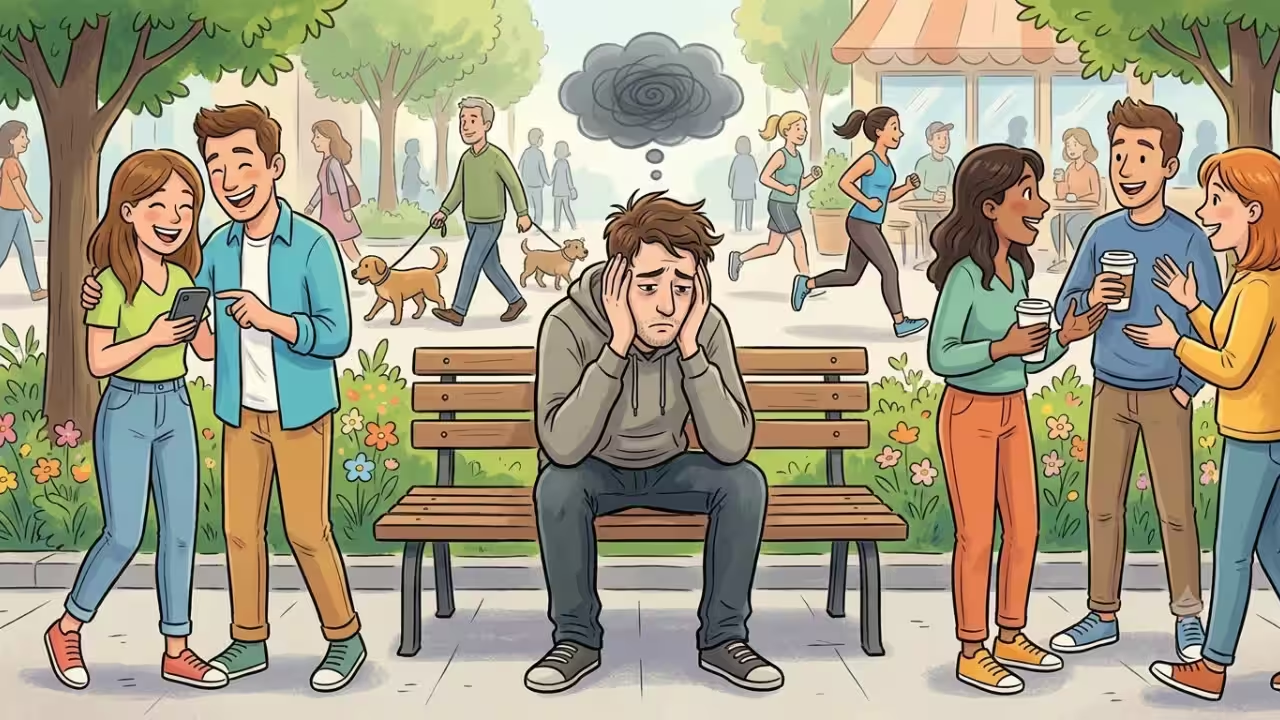
On World Mental Health Day, doctors explain why people with depression can’t simply choose to feel better, and what is happening in the brain when favourite things stop feeling good.Imagine waking up after eight hours of sleep, opening the curtains and seeing the same morning you have seen a thousand times. Your favourite song is playing. A friend has sent a message asking you to meet for dinner. There is nothing obviously wrong with the day, yet getting out of bed feels like work. Replying to that message feels harder than it should. Even the thought of doing something you once loved brings little excitement.To someone watching from the outside, it might look like sadness, laziness or a lack of effort. For a person experiencing depression, however, the struggle can run much deeper. The condition can affect motivation, concentration, sleep, decision-making and the ability to feel pleasure. What looks like a simple task to someone else may require considerable effort.On World Mental Health Day, observed every year on October 10, understanding what depression can do to the brain is one way to challenge the idea that a person can simply choose to feel better.Why does depression make ordinary things feel difficult?Depression is not just a passing low mood after a difficult day. The World Health Organization (WHO) describes it as a mental disorder that can involve persistent sadness or a loss of interest and pleasure, and changes in sleep, appetite, energy and concentration. Symptoms generally persist for most of the day, nearly every day, for at least two weeks.Dr Biplab Das, Director of Neurology and Interventional Neuroradiology at Batra Hospital, explains that depression affects the brain systems involved in mood, motivation and everyday functioning.“Depression affects the brain as a medical condition, leading to some changes in the brain areas that are responsible for mood and motivation,” says Dr Das.He adds that the prefrontal cortex, which plays a role in decision-making and emotional regulation, may function differently in people experiencing depression.Why can a favourite meal or hobby stop feeling enjoyable?A person may still meet friends, listen to music or sit down to eat a favourite meal, but the familiar sense of enjoyment may be missing. They might know that an activity used to make them happy without being able to feel that happiness in the same way.Dr Aditya Gupta, Director of Neurosurgery at Artemis Hospital, Gurugram, explains that depression can change how the brain responds to experiences and plans for the future.“One key point that is important to note is that the brain’s reward system plays a crucial function in creating pleasure,” says Dr Gupta. “When this process gets disturbed, even mundane activities such as a dinner with friends, eating one’s favorite dish, or practicing a hobby may seem uninteresting.”This helps explain why telling someone to take up a hobby, go out with friends or focus on the positives may not be enough. The person may already know what used to make them happy. The difficulty is experiencing that interest or pleasure again.How does depression affect thoughts and memory?Have you ever replayed an uncomfortable conversation in your mind long after it ended?Dr Gupta says depression can affect the brain's ability to process events, direct attention and think about what lies ahead.Dr Das also points to the role of prolonged stress. Long-term stress can affect the body's stress-response systems and influence sleep and brain functioning.Can the brain recover from depression?Dr Gupta points to the brain's capacity to change over time. “The brain is flexible, which implies that its connections and functioning can modify over time,” he says, adding that evidence-based treatments, including medication and psychotherapy, can help ease symptoms and support recovery.Treatment depends on the person's symptoms, their severity, medical history and individual needs. Psychological therapies can help. Antidepressant medication may be recommended in some cases. Regular sleep, physical activity and social support can also help.World Mental Health Day is a reminder that depression cannot be judged by how cheerful someone appears, how much they accomplish or how easily they seem to manage daily responsibilities.Recognising that struggle as a health concern, rather than a personal failing, is an important step towards getting help.
Topics in this story
Gathered from external sources. Rights to this text belong to whoever originally published it.