A Filmmaker Followed the World’s Oldest People for a Decade. They Had These 5 Things in Common
In his documentary, director Sam Green spends a decade following the successive holders of the oldest person in the world title. Here’s what he learned about longevity.
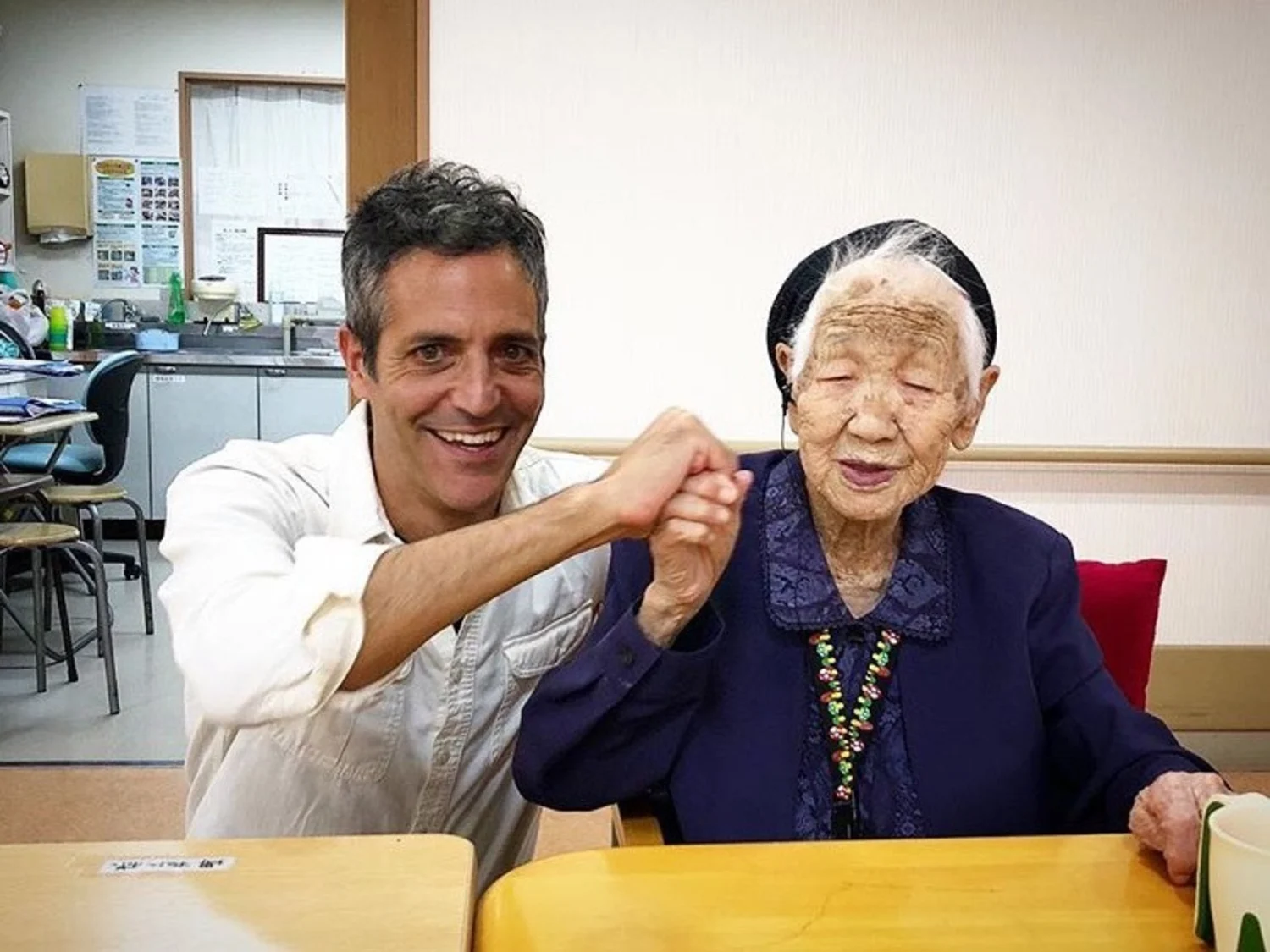
In August, the world’s oldest living person celebrated a big birthday. Ethel Caterham of Surrey, England, turned 117 years old this year, securing her spot in the Guinness World Records. The title is something very few people will ever earn, or get close to achieving. “It’s almost like getting struck by lightning,” Sam Green, a Brooklyn-based filmmaker and director of the new documentary “The Oldest Person in the World,” tells TODAY.com. The film features Green’s globetrotting quest over the span of a decade to meet and interview the successive holders of the Guinness World Record for the oldest living person. Green’s journey began in 2015 with Susannah Mushatt Jones of New York, who earned the title at the age of 116. The director became fascinated about what it means to outlive everyone else on the globe, and what it takes to live for over a century. In the documentary, Green attempts to gain wisdom from these supercentenarian celebrities as he confronts his own mortality after getting a blood cancer diagnosis during filming. “Everyone always wants to know their secret, the one thing that explains why they’ve lived so long,” says Green. Emma Morano of Italy, who succeeded Jones to became the world’s oldest living person in 2016 at the age of 117, credits eating eggs daily and “staying as far away from men as possible.” Lucile Randon (Sister André), a French nun who held the title in 2022, chalked her 118-year lifespan up to “God’s decision.” “There’s no secret, but there are certainly commonalities,” says Green. What the World’s Oldest People Have in Common When it comes to living longer, “a lot of it is common sense” says Green. Science-backed habits to promote longevity include eating a nutritious diet, exercising regularly and getting quality sleep. Whether someone becomes a centenarian or supercentenarian comes down to genetics, lifestyle factors, and “an element of luck,” he says. However, Green did observe patterns among his documentary subjects. Here’s what they all had in common: They’re Women All of the oldest living person title holders from 2015–2025 were female. “Every once in a while, the oldest person in the world is a man, but it’s 99% of the time it’s a woman,” says Green. That includes the oldest person ever recorded in history: Jeanne Calment of France, who died in 1997 at the age of 122. According to the New England Centenarian Study, the longest ongoing study of people ages 100 years and older, women make up over 85% of centenarians worldwide, and over 90% of supercentenarians. There are several theories as to why women tend to outlive men. Protective genetic and biological differences may be at play, as well as environmental and behavioral factors. What surprised Green is there was no clear, single explanation. “I actually appreciate the mystery. There’s still so much about the things that shape our lives that we don’t understand,” he says. They Have a Positive Outlook “Everybody had a positive mental attitude. Nobody who gets to be oldest person in the world is a downer who sees the glass as half-empty,” says Green. Many of these supercentenarians experienced tremendous hardships, and their health was failing. “I was really struck by (how) some of them are struggling by the end, but they’re all positive people who are engaged with life,” says Green. These include Kane Tanaka of Japan, who held the title of oldest living person from 2018 until her death at age 119 in 2022. “Kane Tanaka had an incredibly difficult life,” says Green. She lived through World War II, during which her husband served and her son was captured as a prisoner of war. “She (eventually) lost all of her kids and had cancer twice,” says Green. Tanaka’s takeaway? “Don’t worry and don’t think too hard about things,” says Green. “Clearly that (mindset) served her well.” “They were also much more stoic about things in the past, and accepted that the world had ups and downs,” says Green. Maria Branyas, an American-born Spanish woman who earned the title in 2023, at age 117, is one of the oldest people to survive COVID-19. She lived through the flu pandemic of 1918 and treated wounded soldiers during the Spanish Civil War. But when asked to reflect on her life, she focused on the fun parts. “Many good things happened to me. I have had a very good life. Always remember the good times you had,” Branyas said. Until her death in 2024, Branyas would post regularly on her X account, which her family helped run. Her bio reads: “Soc vella, molt vella, però no idiota” — “I’m old, very old, but not an idiot.” Green was also struck by the fact many of the world’s oldest people never spoke about dying. “Not dwelling on that probably allows you to live longer.” They’re Surrounded by People “Having a loving, supportive community is part of what makes people live a long time,” says Green. Staying socially connected can be challenging for older adults. But the oldest living people Green met were always surrounded by others — whether it was family, friends or caregivers. “All of them, no matter where they live or if they had kids, had people around them who really loved them and took care of them,” says Green. Sister André, for example, chose to live in a retirement home for nuns. “They all completely adored her,” Green adds. Violet Brown, a Jamaican supercentenarian who gained the title of world’s oldest person at age 117, lived in her own home in until her death in 2017. In the documentary, Brown was joined by her son, who lived until the age of 96, and her home care staff. “Violet had this attendant who, you can see in her face, just marvels at her and loves her so much. Obviously having people like that around is good for you,” Green says. They Stick to Routines Most of these supercentenarians followed routines to give their day structure — and if you’re living past 110, chances are your routine is working. They often stuck to the same schedule and habits, whether it was consistent sleep times, meals, movement or social activities. Before they earned the oldest living person title, many of them worked regularly and well into old age. Violet Brown was a church organist and music teacher for over 80 years. Sister André remained volunteering past the age of 100. These supercentenarians didn’t follow strict “Blue Zone” diets, Green notes, but they did strive for balance. And whatever diet they did follow, they stuck to it. Emma Morano, who lived until 117, ate three raw eggs every day. “When I asked her doctor about it, he said something interesting that I’d never thought about. He said her body knows exactly what it’s getting and when every day,” says Green. They Enjoy Life, in Moderation “All them were relatively healthy people, but lived in a spirit of moderation,” says Green. The world’s oldest people didn’t all abstain from alcohol or smoking, though some did. Many enjoyed meat, dairy and sweets. (Supercentenarian Susannah Mushatt Jones ate bacon for breakfast every day.) Sometimes they partied, too. “When I was young, I did what all young people do. We had a lot of fun,” Maria Branyas said. But they all aimed for balance, says Green. Whether it was a nightly glass of wine or a cigarette — the oldest person ever, Jeanne Calment, was a smoker well into her 100s — they enjoyed these without overdoing it. They also had a spirit of not taking life too seriously, Green adds. When asked how it felt to be the world’s oldest person, Branyas said, “it’s not a big deal.” Green intends to keep filming the world’s oldest living people for the rest of his life, releasing a new documentary in 10 years.
Topics in this story
Gathered from external sources. Rights to this text belong to whoever originally published it.