Pune city at high risk of Zika cases in future, states NIV research
NIV study warns Pune may face more Zika cases due to high Aedes aegypti density and transmission-linked mutations; 2024 outbreak had 109 cases, no fetal defects found.
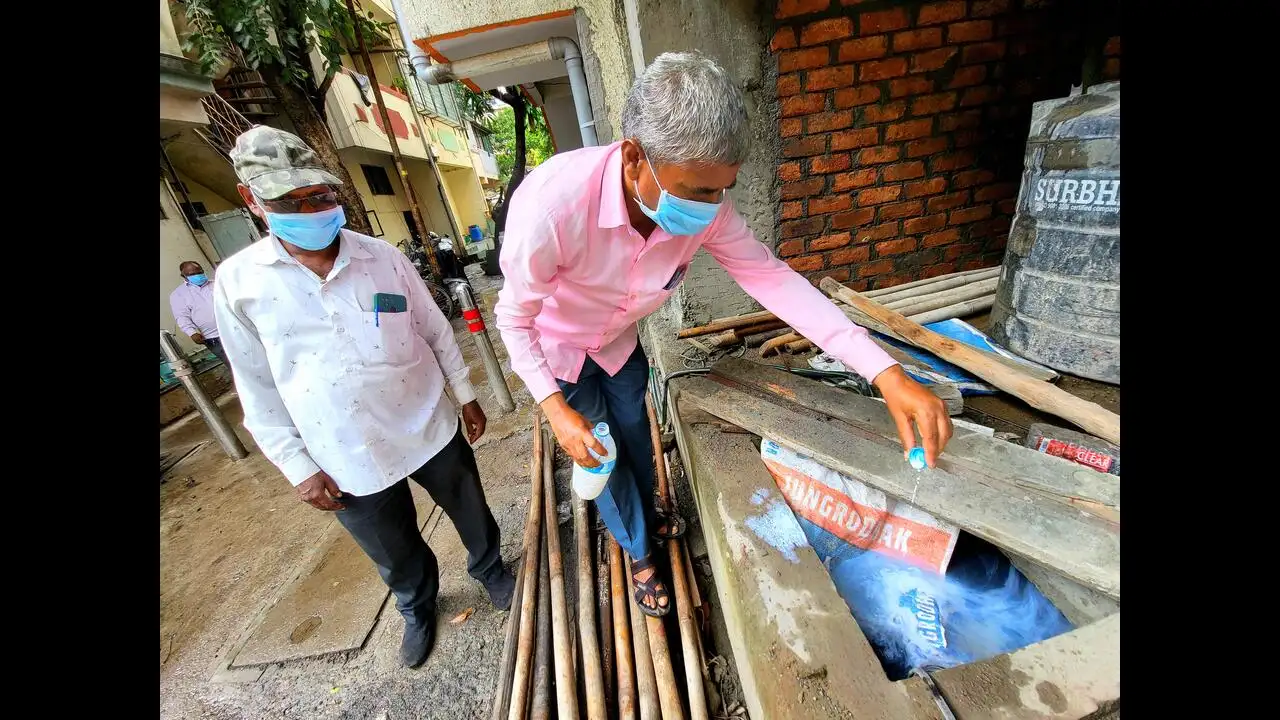
Pune: High Aedes aegypti density and transmission-enhancing mutations in circulating Zika virus strains have left the city with a possibility of an increase in cases in future, a National Institute of Virology (NIV) study of Pune’s 2024 monsoon outbreak has warned.The study, recently published in Indian Journal of Medical Research, found that 26.5% of Aedes aegypti mosquito pools collected from neighbourhoods reporting cases tested positive for Zika RNA. The researchers cautioned that the positivity rate was limited to outbreak-affected neighbourhoods and did not represent the general mosquito population of the city.“These collections were done in the neighbourhood of positive cases and so the high positivity is limited to the neighbourhood and is not the virus positivity in the general mosquito population,” said Kavita Lole, one of the authors associated with the study.“Regarding the E-V437M mutation, it has been established that this mutation helps the virus in efficiently spreading itself. Fortunately, we have not detected any mutations similar to those reported from Brazil that are known to cause microcephaly in the newborns,” she said.Genomic analysis showed that the virus strains belonged to the Asian lineage and carried mutations that could favour transmission. The study said the E-V473M mutation, found in the majority of current Zika virus strains in India, may have contributed to greater peripheral viraemia, efficient mosquito infection and viral spread.Greater peripheral viraemia refers to a higher concentration of viral particles circulating in the peripheral bloodstream. It generally indicates active viral replication or the spread of the virus beyond its initial site of infection. However, mutations associated with severe fetal outcomes, including microcephaly reported during the 2015–17 Zika outbreak in the Americas, were not detected in the Pune strains.The study was conducted between June and Sept 2024, when the city recorded 109 confirmed Zika cases. Forty-five of them were pregnant women. Adult mosquitoes and larvae were collected from the houses of reported cases and surrounding premises within a 400m radius.After the outbreak, Pune Municipal Corporation (PMC) followed up with pregnant women who had contracted Zika. PMC’s assistant health officer Rajesh Dighe said fetal growth remained normal among those monitored.He said, “In 2024, there was an outbreak of Zika virus limited to certain pockets in Erandwane, Mundhwa, Pashan, Warje and Yerawada. We had reported 109 cases, of which a significant number of patients were pregnant women.”Dighe said, “We had followed up with all these women even after the outbreak subsided to ensure that none of the fetuses were affected. Fortunately, all the fetuses reported normal growth and did not report any Zika-related congenital deformities. PMC had not reported a single Zika case in the city since the 2024 outbreak.”Though Zika infection is generally mild in adults, it can cause serious neurological and developmental complications in fetuses, particularly when contracted during pregnancy. The NIV researchers have called for continuous surveillance of mosquito populations and viral genomes to track evolving strains and detect mutations that could increase the risk of future outbreaks.You Can Also Check: Gold Rate in Pune | Silver Rate in Pune | Bank Holidays in Pune | Public Holidays in Pune | Petrol Price in Pune | Diesel Price in Pune | CNG Price in Pune | LPG Price in PuneStay updated with the latest Pune news. Download the TOI App.
Topics in this story
Gathered from external sources. Rights to this text belong to whoever originally published it.