Osteoporosis Can Start Earlier Than Women Realize. 4 Subtle Signs a Doctor Monitors in Herself
What are the first signs of osteoporosis? Symptoms a doctor monitors in herself include wrist fracture and heel pain. How to prevent bone loss in perimenopause.
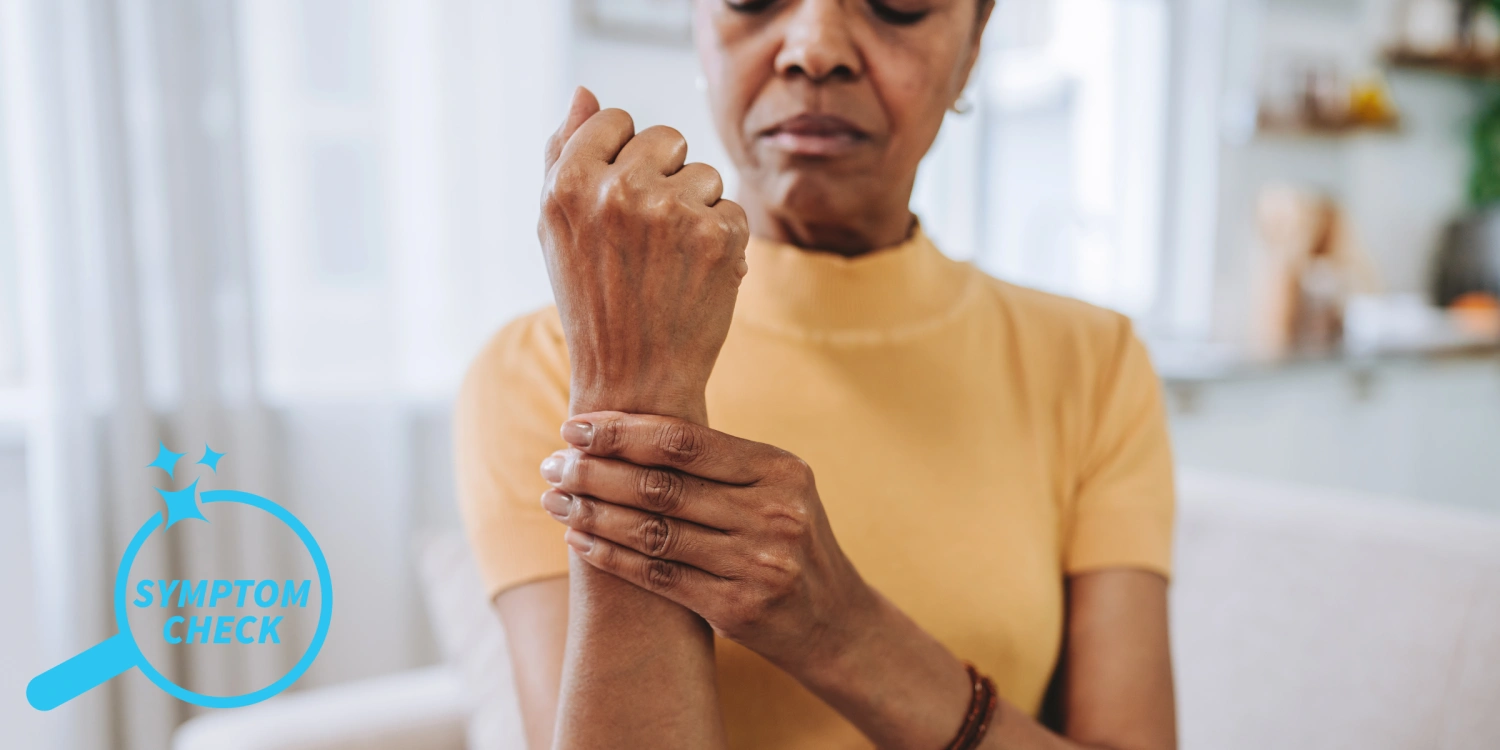
If you’re a woman in your 40s, it’s time to think about osteoporosis. The bone disease may bring to mind an elderly patient, but the process that weakens the skeleton and makes a person vulnerable to bone fractures starts much earlier. Rapid bone loss begins two years before menopause, which happens at age 51 on average for women in the U.S., says Dr. Jocelyn Wittstein, an orthopedic surgeon at Duke Health in North Carolina and co-author of “The Complete Bone and Joint Health Plan: Help Prevent and Treat Osteoporosis and Arthritis.” “That sharp decline of bone loss happens a little earlier than most people realize it’s happening,” Wittstein tells TODAY.com. The main trigger for women is the midlife decline of estrogen because estrogen protects bones — it inhibits the cells that break them down, she notes. From two years before menopause to about a decade after it begins, the average woman loses 10% of her bone density, but there are things women can do to alter that trajectory, the doctor adds. “There is a tremendous amount of data pointing to the fact that this is preventable through exercise, diet and hormone therapy,” Wittstein says. “Probably the really critical window for women is late perimenopause.” At 48, she’s herself in that stage and “keenly aware of the risk factors,” she says. Wittstein takes steps to prevent bone thinning by doing resistance training two or three days a week, paying attention to micronutrients in her diet and using transdermal estrogen. She’s never used nicotine because it’s “poison to bones,” the doctor notes, and she skips alcohol because excessive intake is a risk factor for low bone density. “I don’t want to get osteoporosis,” Wittstein says. The disease can lead to fractures that profoundly limit mobility and independence, and come with serious complications. Osteoporosis is called a “silent disease” because there are usually no symptoms in the early stages. There isn’t really a pain mechanism in the bones unless you break one — “we can’t feel osteoporosis happening,” Wittstein explains. Still, there are some “subtle signs” that could be observed, she notes. Here are the osteoporosis symptoms the doctor would notice in her own body: Fracture After a Minor Fall The wrist, shoulder, hip and spine are the four most common sites for osteoporosis-related fractures. A wrist fracture is a marker of poor bone density and is a predictor of future hip fractures, Wittstein says. Women start to get wrist fractures in their early 50s. “That is the classic one. The falling on an outstretched hand and breaking your wrists is definitely something you want to be screened after,” the doctor advises. “It’s so important that if a woman in her 50s falls and breaks their wrist, they get a DEXA scan.” The scan measures bone density, with screening recommended for women starting at age 65. But Wittstein advises starting at 50 to find out if they have osteopenia, a less severe form of bone loss than osteoporosis, so there’s time to take action. A hip fracture comes with the most profound consequences for health, but in general, any time a person breaks any bone, it comes with a period of less mobility and activity, and can lead to a “bad spiral,” she says. Bone Pain While Training for a Sport Many postmenopausal women are still athletes who take part in marathons and sports. They shouldn’t ignore lingering hip pain or heel pain while training, Wittstein cautions. “Bone pain with training for sport can be a sign of low bone density,” she says. Loss of Height You may notice getting shorter as you age, which happens when the vertebrae, the building blocks of the spine, get compressed over time. “They just sort of can collapse because they’re not strong enough,” Wittstein says. Loss of height stemming from these vertebral compression fractures can be a late sign of osteoporosis. Posture Changes The spine may be stooped or hunched over. People who have very low bone density sometimes learn that they have osteoporosis when they lift something awkwardly with poor posture, and the bent-over spine can result in a vertebral compression fracture, Wittstein says. How to Prevent Osteoporosis and Bone Loss The doctor advises these steps when it comes to diet and exercise: Diet Get the right nutrients. Women over 50 need 1,200 milligrams of calcium and 800 international units of vitamin D per day. It’s reasonable to choose vitamin D supplements that include vitamin K2, which has benefits for bone health. Wittstein recommends getting calcium from food rather than supplements. It’s also key to get about 330 milligrams of magnesium, a necessary cofactor for the activation of vitamin D, which helps the body absorb calcium. Fiber is “extremely important” because when it’s broken down by the microorganisms in the gut, it generates a byproduct that enhances calcium solubility and may facilitate calcium absorption, studies have found. Consuming 30 grams of dietary fiber per day is ideal, Wittstein says. Exercise Check with your doctor before starting any exercise program. For many people, exercise has to be introduced gradually with workouts tailored to each individual person. If you don’t have any restrictions or limitations, Wittstein recommends doing resistance training two to three days a week with exercises that load the bones in the spine and hips in a way that stimulates bone formation. These can include squats, deadlifts, standing overhead presses and farmers carries. “You don’t have to lift really, really heavy,” she says. “The most important thing is that you can participate in resistance training in a consistent manner.” If you’re able to, add some impact exercises, like drop jumps off an 8-inch step or squat jumps with a landing and a rebound, to the mix a few days a week. It’s not a must and not everyone can do it, but if you can, it’s a good add-on, she says. Cardiovascular exercise that comes in the form of a weight-bearing activity, like brisk walking, can also benefit bone health. “It doesn’t necessarily increase bone density, but it does slow the loss of bone density over time,” Wittstein says. Hormone Therapy One of the FDA-approved indications for menopausal hormone therapy is to prevent bone loss and future fractures, the doctor notes. The best time for the intervention is in the first decade after menopause. “Menopausal hormone therapy can increase bone density,” Wittstein says. “For people who can’t or decide not to use hormone therapy, exercise and diet will always be foundational. It is just a bit harder in that steep transition to combat the bone loss.” TODAY’s Symptom Check series features doctors, specialists and health experts who reveal the warning signs they’d look for in their own body when it comes to cancer and other diseases.
Topics in this story
Gathered from external sources. Rights to this text belong to whoever originally published it.