I'm a dietitian — these are the 10 things I always have in my fridge for easy meals and snacks
As a dietitian, I always make sure to have these 10 items on hand to fill the gaps when meal planning falls through. Here's what to buy and how to shop for i...
Our experts independently review everything we recommend. If you buy through our links, we may earn commission.
There's no denying that meal planning has its perks. It can save you money at the grocery store, encourage a more balanced diet and save time during busy weeks. But it doesn't always go as smoothly as you'd hope. Between two kids in school with different drop-offs and pickups, a busy work schedule and trying to squeeze in some fun along the way, there are plenty of nights and mornings when I either don't have a meal planned or what I'd planned simply doesn't fit into the time I thought it would. That's why I try to keep certain staples in my fridge (and freezer and pantry) at all times.
The goal? To have a good mix of ingredients that are versatile and provide some nutritional benefit. Eggs, for example, are like nature's multivitamin — packed with vitamins and minerals — and can be worked into a last-minute breakfast , lunch, dinner or snack. From easy proteins to nutritional powerhouses like berries, there's a short list of foods that you'll pretty much always find in my fridge — or at least on my weekly grocery list. Here are the top 10.
Why I love it: I try to get all my grocery shopping done on the weekend — or do grocery pickup on Mondays after school drop-off. Running out of milk is the only thing that'll get me to the grocery store mid-week. I'm a big oat milk person, mostly because I like how it tastes in coffee. I always have whole milk for my kids too. Whole-fat dairy got a bad reputation for a while, but it's since made a comeback. One 2026 study found that whole-fat dairy has a neutral and potentially even positive effect on heart health. Plus, it's generally more filling and satisfying.
Nutritional highlights: Depending on the type of milk you consume, it can be an excellent source of calcium and vitamin D. Oat milk is lower in protein than other options, but contains beta-glucan, a type of soluble fiber that may help lower LDL ("bad) cholesterol levels . Whole milk's fat content is important for developing brains, and it helps with the absorption of vitamins A and D found in fortified milk. Some people may prefer the lower calorie and fat content of 2% or 1% milk. Soy milk offers the same amount of protein as cow's milk: 8 grams per 8 fluid ounces.
Shopping tips: For plant-based milks, look for options fortified with vitamin D , with few if any artificial additives, and little to no added sugar. One catch with oat milk: because of labeling rules from the Food and Drug Administration (FDA), some brands show added sugar on the label even though sugar isn't in the ingredient list. That's because the enzymes used to process oats break down starch into simple sugars like maltose, and the FDA requires those to be counted as "added sugar" — even though no sweetener was actually added. For cow's milk, look for options fortified with vitamin D (most are, but it's worth checking the label).
Ways to use it: In addition to using it in my coffee, milk is the base for so many easy breakfasts, like smoothies, pancakes and even healthier breakfast cereals . On the savory side, milk comes in handy for quick soups, breading chicken and nights when you need to simply stir up a box of Goodles Mac and Cheese .
Why I love it: There's something about dietitians' love of peanut butter. In grad school, we'd all regularly show up to class with a jar of peanut butter and some sort of fruit or whole-grain crackers for easy snacking. Whether I'm trying to add filling power to pancakes or whipping up a quick peanut sauce, I always have a jar of peanut butter in the fridge (and a spare in the pantry).
Nutritional highlights: Peanut butter is an easy source of protein that lasts for a long time in the fridge. It also provides healthy fats (mostly monounsaturated), fiber, vitamin E, magnesium and potassium. The key is to look for peanut butter — not peanut butter spread. The difference? Peanut butter must contain at least 90% peanuts , with only 10% allowed to be made up of sweeteners, salt and oils. In contrast, peanut butter spreads have zero peanut requirements and are often much higher in added sugar, salt and added oils.
Shopping tips: Look for peanut butters containing just one or two ingredients: peanuts and maybe salt. Kirkland's peanut butter is one of my favorites (though Trader Joe's Crunchy Peanut Butter is also top tier). I discovered Teddie Peanut Butter during my time in Boston and love it, though it's not always easy to find in the Mountain West. Can't have peanuts? Sunflower butter is a great alternative — again, just be mindful of how much added sugar it contains.
Ways to use it: We eat peanut butter almost every day in our household. In the morning, it's stirred into overnight oats, spread over pancakes or added to smoothies. I also use it to make my own protein and granola bars, as well as healthier homemade peanut butter cups. For an easy dinner, I'll make a simple peanut sauce to drizzle over brown rice, veggies and chicken or tofu.
SunButter No Sugar Added Sunflower Seed Butter
Kirkland Signature Organic Peanut Butter, 2-Pack
Why I love it: Greek yogurt is more than just a high-protein snack option — it's one of the main workhorses in my fridge. Thanks to its mostly mild flavor, plain Greek yogurt works in a wide variety of sweet and savory dishes, making it easy to boost the nutritional content of your meals.
Nutritional highlights: Like regular yogurt, Greek yogurt is made from milk that's fermented with live bacterial cultures, making it a source of gut-friendly probiotics. However, its true claim to fame is that it goes through an additional straining step, resulting in a thicker, creamier consistency that's also higher in protein and lower in lactose. Icelandic yogurt (known as skyr) is also strained but made with more milk, making it typically higher in protein than Greek yogurt.
Shopping tips: For culinary purposes, look for plain Greek or Icelandic yogurt with no added sweeteners or flavors. I prefer cooking with 4% or 2% fat varieties, as I've found the 0% fat versions aren't quite as versatile since fat plays an important role in baking and other dishes. For snack yogurt, if you dislike the taste of plain, my main rule of thumb is that the yogurt should contain more protein than added sugar. Icelandic Provisions is my favorite — especially the Vanilla Bean and Cold Brew Coffee. Not only are the flavors excellent and less tart than Siggi's, but I also like that most flavors have around 11 grams of protein and only 7 grams of added sugar.
Ways to use it: Replace some of the milk in your pancake recipe with Greek yogurt, use it as a spread on muffins, top it with granola and fresh fruit or use it as a replacement for sour cream in sweet and savory dishes, like tacos, Swedish meatballs and baked goods. You can also add it to smoothies or blend with fruit and freeze for healthier DIY popsicles.
Icelandic Provisions Cold Brew Coffee Skyr
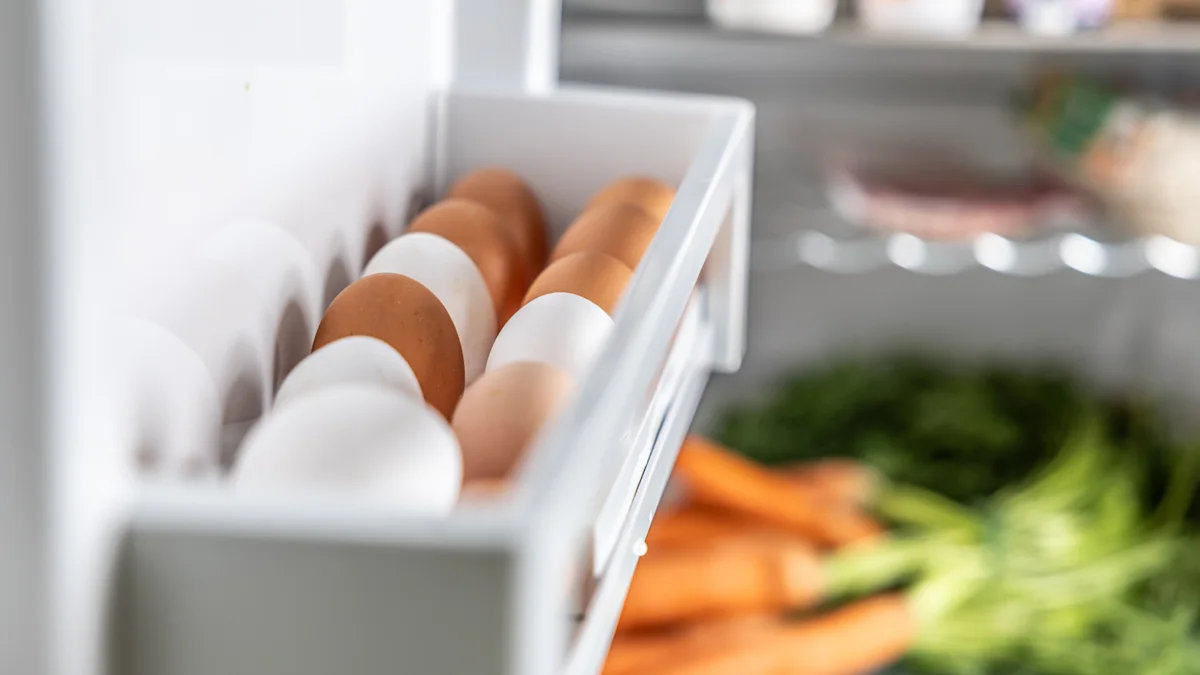
Why I love it: Forgot to plan something for dinner? Eggs to the rescue! Whether you're making breakfast for dinner or throwing together an easy stir-fry using leftovers in your fridge, eggs are one of the easiest proteins to keep on hand.
Nutritional highlights: In addition to protein (about 6 grams per large egg), eggs are packed with essential vitamins and minerals, like vitamin B12, riboflavin and selenium. They're also one of the best dietary sources of choline — a nutrient essential for brain health — and the yolks are one of the few dietary sources of vitamin D.
Shopping tips: Eggs are easily the most confusing food to shop for — do you really need to spend $10 on a carton of organic or pasture-raised eggs? With a few exceptions, the biggest difference between eggs isn't the nutritional content; it's the farming methods. That means there's no nutritional difference between brown or white eggs or even regular eggs and organic. The big exception is when the chickens are given a diet to produce eggs with higher levels of certain nutrients, such as vitamin D or omega-3s . So what does this mean for you? Buy the eggs you can afford and that align with your preferences around farming practices.
Ways to use it: Hard-boil a few eggs for the week for easy snacks; add fried eggs to homemade breakfast sandwiches or scramble them into breakfast burritos; make fried rice with leftover veggies and proteins you have on hand; or make a simple shakshouka by poaching eggs in a spiced tomato sauce.
Lodge Pre-Seasoned Cast Iron Skillet, 6.5-Inch
Why I love it: Sure, we cycle through in-season fruits, like peaches, watermelon and apples. But one fruit you'll always find in my fridge is a container of strawberries and usually some raspberries or blueberries too. Besides the fact that berries are consistently a safe bet with my young kids, I like how easy they are to add to meals and snacks. Plus, they offer a serious nutritional bang for your buck.
Nutritional highlights: Berries are one of the healthiest fruits you can eat. They're high in fiber ( 1 cup of raspberries has nearly double the amount of fiber as a medium-sized apple ) and packed with antioxidants. In fact, an analysis of NHANES data published in 2024 found that any berry consumption was associated with a lower all-cause mortality risk compared with non-consumers. Berries are also low in sugar and, thanks to their fiber content, have a low net carb count, making them a good fit for most diets.
Shopping tips: Strawberries, blackberries and blueberries are on the Environmental Working Group's Dirty Dozen list , meaning they commonly contain pesticide residues. For this reason, I prefer to buy them organic. If that's not possible budget-wise, be sure to thoroughly wash your berries before eating.
Ways to use it: Enjoy them on their own as a snack, pair with cheeses, add to salads or salsas or use as a topping for oatmeal, yogurt, cottage cheese or pancakes. The most important aspect is proper storage. Because they get sad and soggy quickly, wait to wash berries until you're ready to eat them. For storage, you can either place them on paper towels and cover with a lid that allows a little airflow, or invest in a set of containers that allow airflow.
Why I love it: Dark leafy greens are the berries of the vegetable drawer — they're loaded with antioxidants, fiber, vitamins and minerals. I also like that they're easy to add to almost any dish — especially if you opt for more mild-flavored options like baby spinach.
Nutritional highlights: Spinach is a great source of vitamin K, vitamin A and folate, and it also provides iron and calcium. However, spinach contains oxalates, compounds that bind to minerals like iron and calcium and make them harder for your body to absorb. That doesn't mean spinach isn't worth eating — it still contributes to your overall nutrient intake — just don't count on it as your main source of iron or calcium.
Shopping tips: Spinach has more pesticide residues by weight than any other produce in the Environmental Working Group's 2026 analysis, so it's one I prefer to buy organic when my budget allows. When you're shopping for spinach, look for bags that are flat, not puffy, and with minimal signs of moisture. The leaves should be a deep green and look crisp, not yellow or wilted. Looking for kale? Lacinato kale (the one with the slightly bluish color) is a great place to start, as it has a sweeter, milder flavor than curly kale.
Ways to use it: I'll be honest, I don't love kale or spinach in salads. Instead, I typically enjoy them cooked and will add them to almost any savory meal, from soups and stews to pasta bakes and stir-fry. Green smoothies are a popular breakfast pick in my household (aka Hulk smoothies if you're talking to my 3-year-old), and I'll sometimes add chopped spinach to our scrambled eggs. To keep your greens fresher for longer, store them in a sealable bag or container lined with paper towels to absorb excess moisture.
Progressive Lettuce Keeper Produce Storage Container
Why I love it: Mornings are hectic in our household: cooking breakfast, packing lunches and snacks, tracking down water bottles and trying to get two boys dressed as they're jumping on the trampoline and chasing one another. Needless to say, I usually don't sit down to eat until I've gotten them both dropped off at their respective schools and logged on to work for the day. To keep my energy levels up, I like to keep protein shakes on hand. Sure, I could just shake up protein powder in a BlenderBottle or make a smoothie (and some mornings I do), but I like knowing I have a few bottles on hand just in case.
Nutritional highlights: Protein shakes vary widely in their ingredients and nutrition stats. My go-to shake is Koia Cacao Bean (the refrigerated 12-ounce bottles). Each drink provides 180 calories, 5 grams of fat, 1 gram of saturated fat, 10 grams of fiber, 4 grams of sugar and 18 grams of protein.
Shopping tips: When shopping for protein shakes , the main things to look for are around 20-30 grams of protein, 6 grams of added sugar or less, and at least 3 grams of fiber. That said, not every shake will tick all three boxes, which, depending on what else you're eating during the day, may or may not be a deal breaker. Ingredients are also important. When possible, look for options with minimal artificial additives.
Ways to use it: Shake, open and enjoy. But seriously, the best part of a protein shake is convenience. I like mine during the morning rush or after a weekend workout. You can also use them as the base for a smoothie, adding fruits, vegetables and seeds like chia or flax to a blender for greater nutritional oomph.
Fairlife Core Power Chocolate Protein Shake
Why I love it: Guacamole is easily in my top five favorite foods. The tricky part is that making it at home can be harder than it should be: avocados at the store aren't always ripe when you need them to be, and unless you have other guac-lovers in your house, it doesn't save amazingly well. As a result, Kirkland Signature Chunky Guacamole has become one of the items I always buy from Costco . Compared to other brands, it has just the right balance of salt, lime and onion with a rich avocado taste.
Nutritional highlights: Avocados are rich in oleic acid , a type of monounsaturated fat that may help lower LDL cholesterol levels. They're also a good source of fiber and potassium. Of course, guac isn't just avocados. Tomatoes, onions and garlic all contribute beneficial plant compounds too.
Shopping tips: If you want fresh guacamole without the work, many grocery stores sell freshly made guac in the produce section. But for single-serve guac, the key is in the ingredients. The first ingredient should be avocado, and it should contain very few, if any, artificial additives.
Ways to use it: Chips and guac are my go-to afternoon or pre-dinner snack. It's filling, flavorful and an easy way to get a boost of healthy fats. In the morning, I'll add guac to my breakfast burrito or sandwich, at lunch I'll use it in place of mayo in wraps and sandwiches and at dinner, having premade guac makes family taco and enchiladas nights that much easier.
Why I love them: The key to pulling together last-minute meals with whatever you can find in your fridge, freezer or pantry? Keeping at least one flavor-booster on hand. My go-tos are curry paste, stir-fry sauce and hot sauce , but there are so many options out there.
Nutritional highlights: Most condiments won't contribute much to your micronutrient or fiber needs. Instead, they help make those nutrition powerhouses, like veggies and protein, shine.
Shopping tips: When you're out shopping, the two main nutrients to watch are sodium and added sugar, since condiments can be sneaky sources of both. Goals to shoot for: 5 grams or less of added sugar per serving (even lower if it's a condiment you'll use a larger portion size of) and 150 mg of sodium or less.
Ways to use it: Stir-fry sauces make it easy to whip up, well, stir-fries, though they also come in handy for fried rice and as an easy marinade for chicken, tofu or steak. Curry paste paired with coconut milk forms the base of an easy weeknight curry, and hot sauce makes breakfast burritos delicious at any time. Salsa, tikka masala sauce, pasta sauce, peanut sauces, tzatziki and green goddess dressings are others that regularly make their way into our flavor booster rotation.
Primal Kitchen Organic No Soy Teriyaki Sauce
Why I love it: If you think you hate tofu, I encourage you to give it another shot. Many people's experience with tofu is sad, soggy and flavorless. The key to really good tofu is pressing to remove excess moisture, then either roasting at high heat or air-frying to make it crispy. Seasonings and sauces are also key. Unlike chicken or fish, which need to be eaten fairly quickly after buying, unopened tofu can last for up to four weeks (depending on the date printed on the label), and once opened, you can store extra tofu in clean water for up to five days, making it an easy protein to keep on hand.
Nutritional highlights: Tofu is one of the few plant-based proteins that are "complete," meaning they contain all nine essential amino acids your body needs. It's also a good source of iron and manganese. Tofu contains isoflavones , plant compounds that have been studied for potential benefits, such as supporting heart health and easing menopause symptoms — though research in this area is still evolving.
Shopping tips: Unless you plan on blending it into smoothies or sauces (in which case, opt for silken tofu), go with extra-firm tofu. Shelf-stable tofu can be helpful in some cases, but in terms of texture, I far prefer refrigerated tofu. Most tofu brands fortify their tofu with calcium, but you can also find varieties with vitamin D or B12 added.
Ways to use it: At least once a week, we eat tofu cubed and add it to stir-fries or curries. However, my favorite way to eat tofu is to lightly bread it, air-fry or roast until crispy, and then toss it in buffalo sauce and add to a tortilla with tomato, lettuce and Greek yogurt ranch dressing for a meatless take on buffalo chicken wraps.
Our health content is for informational purposes only and is not intended as professional medical advice. Consult a medical professional on questions about your health.
Topics in this story
Gathered from external sources. Rights to this text belong to whoever originally published it.