Exposure to This 1 Thing at Night May Damage Your Heart, Research Shows
Preventing heart disease may also depend on avoiding exposure to light during sleep, doctors say. Why sleeping in darkness is important for heart health.
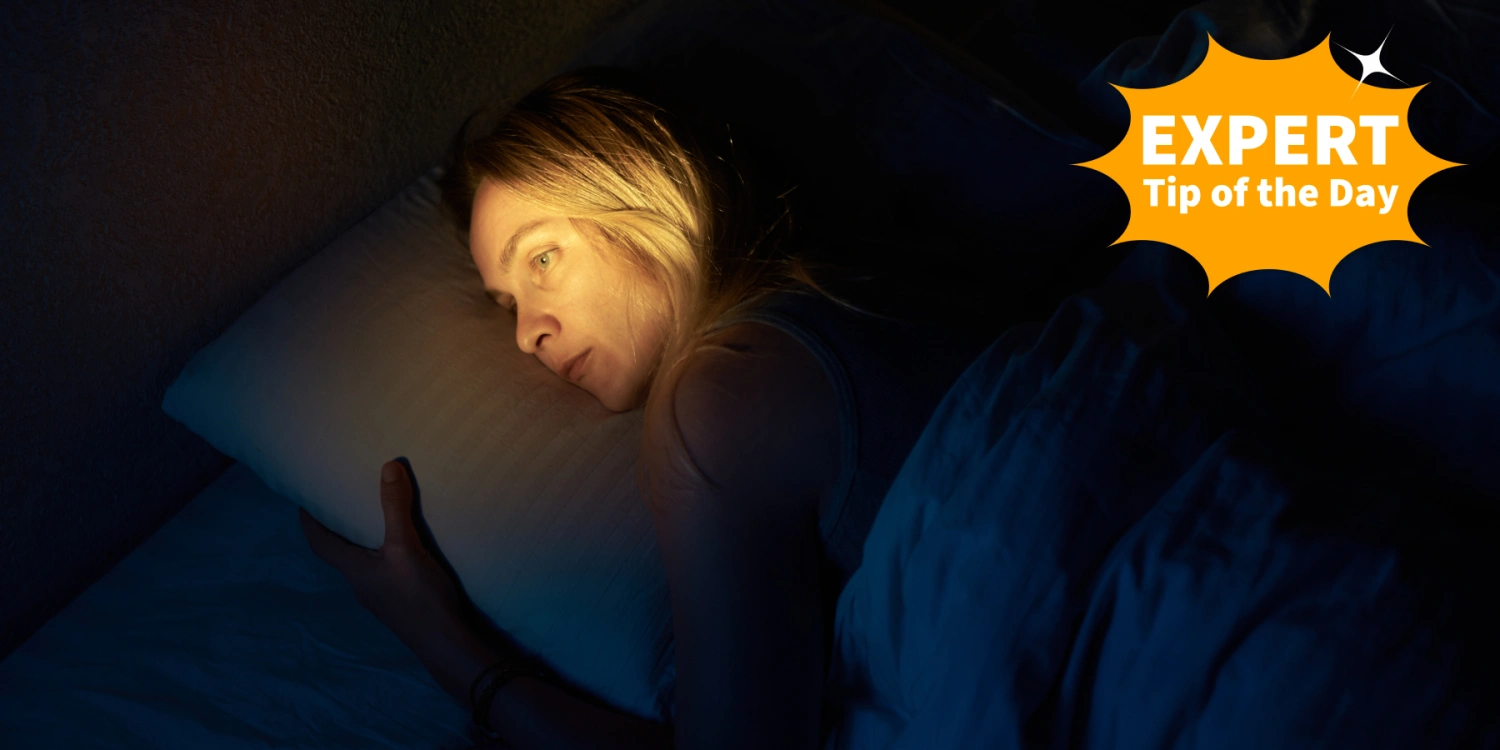
You might think you’re doing everything right to prevent heart disease — eating a healthy diet, exercising and managing blood pressure — and still miss an important risk factor. It happens during sleep, but there are simple ways to fix the problem. The key is to take a good look at your bedroom. Heart Health Tip of the Day: Avoid Exposure to Light During Sleep Nighttime light exposure while people are slumbering is linked to “adverse cardiac remodeling,” or changes to the shape and function of the heart that are typically seen with chronic stress or injury, researchers told the European Society of Cardiology. “It’s our body’s way of adapting to that stress, but ultimately it weakens the heart and can lead to heart failure,” Dr. Lu Qi, a professor at Tulane University’s School of Public Health and Tropical Medicine, said in a statement. He’s the co-author of a recent study on the subject. “Light pollution has emerged as a new risk factor for cardiovascular disease,” he added. The link between light at night and cardiovascular disease has long been overlooked, doctors previously told the National Heart, Lung and Blood Institute. Why It Matters High exposure to nighttime light was linked with a “functional decline” of the heart, specifically, the thickening of the wall of the left ventricle, which reduced the space inside that chamber, Qi and his colleagues reported in a study published in the European Heart Journal. The heart muscle’s ability to flex during a heartbeat appeared to be reduced, which is an “early indicator of heart dysfunction,” the European Society of Cardiology noted. The right ventricles and left atria of the heart also showed changes. The findings are based on data from more than 11,000 people who wore a wrist sensor for seven nights to see how much light they were typically exposed to during sleep and then underwent a cardiac MRI three years later. Artificial light at night is a “biologically active environmental stressor” that suppresses melatonin, disrupts sleep cycles, alters metabolic and inflammatory rhythms, and “ultimately affects nearly every cardiovascular cell type,” researchers wrote in an accompanying editorial. “The light in our bedrooms deserves consideration as a cardiovascular risk factor, alongside smoking, hypertension, and physical inactivity,” they warned. “Darkness deserves recognition as a vital sign, as essential to cardiovascular health as blood pressure control and clean air.” How to Get Started Make sure you sleep in the dark to protect your heart. Close the blinds and turn off all lights and light-emitting electronics. If there’s still light coming in, consider equipping the bedroom with blackout curtains or wearing an eye mask. This may be especially important if you work a night shift and must sleep during the day. “Reduction of nighttime light exposure should be considered as one of the potential strategies for preventing heart disease,” Qi said. TODAY’s Expert Tip of the Day series is all about simple strategies to make life a little easier. Every Monday through Friday, different qualified experts share their best advice on diet, fitness, heart health, mental wellness and more.
Topics in this story
Gathered from external sources. Rights to this text belong to whoever originally published it.