The real history behind ‘Star Wars’: How real-world events inspired George Lucas’ iconic saga
Explore how real-world events, from Nazi Germany to the Vietnam War, influenced George Lucas's Star Wars. Discover the historical connections that made the iconic saga resonate with audiences across generations.
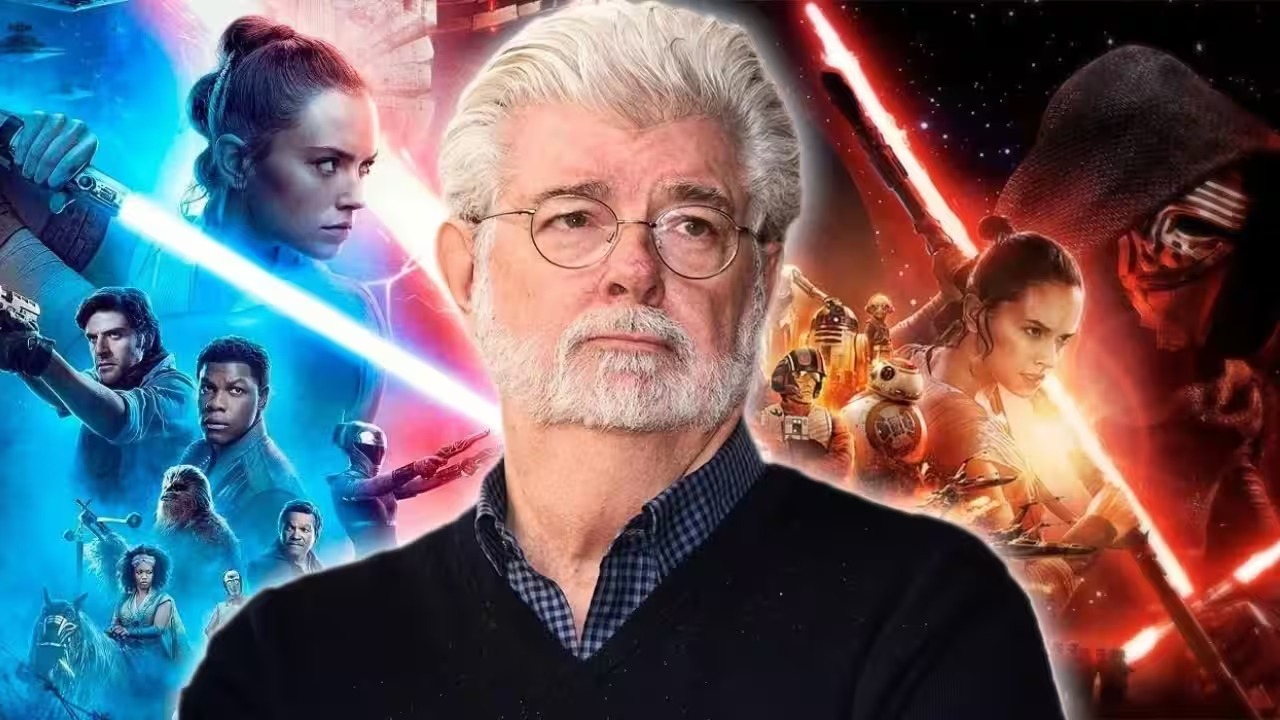
In 1977, Star Wars lit up the big screen and carried audiences off to a galaxy of starships, glowing lightsabers and the oldest story of all, good against evil. But behind the science fiction was a story shaped by real events on Earth. George Lucas drew inspiration from wars, political leaders, ancient empires and historical warrior groups while creating his famous film series.Lucas himself acknowledged this connection in a 2005 interview with The Boston Globe. He said, “I love history, so while the psychological basis of ‘Star Wars’ is mythological, the political and social bases are historical.” His words offer a useful starting point for understanding the real-world ideas behind the saga.Nazi Germany and the Galactic EmpireThe Galactic Empire has several similarities to Nazi Germany, particularly in its uniforms, military displays and use of power. The Empire's stormtroopers are an obvious example. The name ‘Stormtroopers’ echoes the paramilitary forces tied to the Nazi Party, and the sharp, severe look of the Imperial officers brings to mind German military uniforms from World War II.Palpatine’s climb to power carries another historical echo. He starts as a politician, then uses fear and war to grab the Republic and turn it into an Empire, much like Hitler going from chancellor to dictator. That’s why the Empire feels so familiar, even in a galaxy far, far away. Lucas used recognisable historical imagery to make the struggle against authoritarian rule easier for audiences to understand.Richard Nixon and the rise of PalpatineOne of the more direct political influences behind Star Wars was former US president Richard Nixon. Lucas connected the original story to his concerns about American politics during the Vietnam War and Nixon's presidency. According to J.W. Rinzler's book The Making of Star Wars: Return of the Jedi, Lucas was asked in a 1981 story conference whether Palpatine had once been a Jedi. His answer was direct: “No, he was a politician. Richard M. Nixon was his name.”Lucas's interest was not limited to one politician. He was also concerned about how democratic governments could lose their power when leaders used public fear and political instability to gain more control.In a 2005 interview with the Chicago Tribune, he explained the idea behind the original film, saying, “the democracies aren’t overthrown; they’re given away.” The line captures one of the central themes of the saga.The Vietnam War and the Rebel AllianceThe Rebels versus the Empire is partly a nod to the Vietnam War, which was never far from Lucas’s mind while he was working on Star Wars.In the film, the Rebels are the underdogs. They’re smaller, with fewer weapons, fewer resources and far less military muscle than the Empire. But they refuse to back down and keep fighting an enemy that towers over them.This reflects a broader feature of the Vietnam conflict, where a smaller force used guerrilla tactics against a far more powerful military opponent. Lucas later connected the struggle of the Rebels to this imbalance of power.The influence can also be seen in Return of the Jedi. The Ewoks, despite their limited technology, help defeat Imperial forces by using their knowledge of the forest and their surroundings. Lucas discussed the Viet Cong's influence on the Ewoks in audio commentary for the film's 2004 re-release.Ancient Rome and the fall of the RepublicThe political structure of Star Wars also brings ancient Rome to mind. The Galactic Republic has a Senate, political representatives and a system of government that eventually gives way to an Empire.A similar transition took place in Roman history. Rome went from republic to empire slowly, with emperors gathering more and more power along the way. Star Wars does the same thing. Palpatine uses a time of war and chaos to turn the Republic into a dictatorship, one step at a timeThat comparison gives the story real depth. The Empire doesn’t appear overnight. Instead, the films show how a political system can change bit by bit, with its own institutions quietly paving the way.The Jedi and the Knights TemplarThe Jedi Order also has something in common with warrior groups from history. The Knights Templar were medieval religious knights, part monk and part soldier, who followed tough rules and took both their faith and their fighting seriously.The Jedi live by a code of their own. They practise discipline and are meant to use their gifts to protect peace. They aren’t the Templars in space, and their beliefs and structure are different, but the comparison shows how Lucas borrowed ideas from many corners of history to build his world.The Jedi also owe a lot to Japanese samurai traditions and martial arts films, which shaped how they look, how they carry themselves, and how they fight.Why the history behind ‘Star Wars’ still matters?Part of what keeps Star Wars alive all these years is how familiar its conflicts feel. Strip away the space battles and weird creatures, and what’s left are questions we all still argue about: who holds the power, when to fight back, who we stay loyal to, and what happens when fear runs the show.Lucas didn’t simply copy real events. He blended history with mythology and science fiction, which gave the saga a world all its own while keeping its struggles rooted in something human.The galaxy may be made up, but many of the ideas behind its wars and political fights trace back to Earth’s own past. That’s a big reason people keep coming back to Star Wars, long after the special effects have stopped being the main attraction and the characters have become old friends.Get the latest Bollywood & Entertainment News, and more. Download the TOI app.Give your child the gift of confidence! Claim your exclusive TOI Masterclass spot today!
Topics in this story
Gathered from external sources. Rights to this text belong to whoever originally published it.