Vurt wants you to look at vertical videos as a genre of their own
Vurt is betting that the next big thing in vertical entertainment is living on wide-screen TVs.
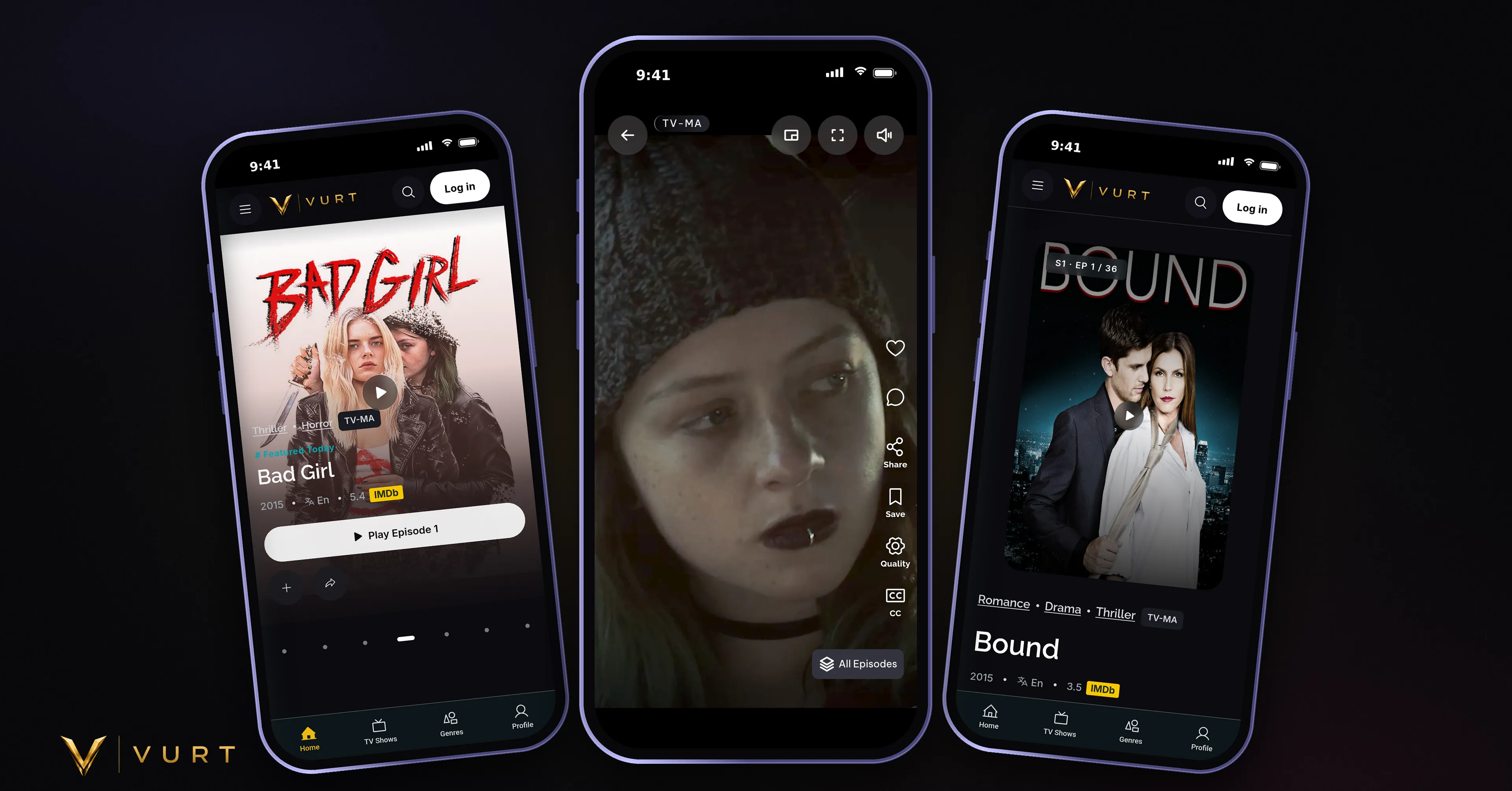
From Disney Plus to HBO Max, almost every major established streaming service is experimenting with ways to get into vertical content. It’s clear that these companies see video-focused social media platforms like TikTok and Instagram as existential threats. In this arms race for viewers’ attention, it has often felt like everyone is trying to find new ways to exist on people’s phones. But a new startup thinks that the next step in vertical series’ evolution is going to take place on our wide-screen televisions. Unlike most vertical microdrama / series streaming platforms on the market that have focused on mobile viewing experiences, Vurt has been making a pivot into smart TVs. The company recently launched dedicated apps for Apple TV and Android TV that give users access to 3,500 episodes across more than 100 different shows. Since launching in March, Vurt’s userbase has grown from 10,000 to 675,000 users. Vurt primarily features the kind of soapy, melodramatic microdramas that have made rival services like DramaBox and ReelShort popular. But whereas those platforms have become inundated with AI-generated slop, the vast majority of Vurt’s series are produced with human casts and crews. And because Vurt monetizes its content through ad partnerships, viewers can watch all of it for free instead of dealing with convoluted microtransactions. [Media: When I spoke with Vurt cofounder / angel investor Hilmon Sorey this week, he told me that the company’s big push into dedicated TV apps was driven by direct feedback from users. People wanted a way to beam verticals they were already watching via their phones onto bigger screens, but Vurt’s development team thought that they could take things a step further. “At first, we first developed the ability for folks to cast to smart TVs,” Sorey said. “But we decided that wasn’t the best experience because we could leverage all of the technology in those large-screen devices to bring features like HD / 4K video, and the ability to do really high-quality audio.” To build out its library, Vurt signs licensing agreements with production studios and creators that gives them a 50/50 revenue split. Independent creators can directly submit their projects for distribution on the platform, and once approved, it can be available to stream in just a few days. Sorey said that being fair to creators and taking cues from them are core tenets of Vurt’s corporate philosophy. He also pointed to Vurt’s decision to rely on a “free-to-finish” model as the main way it works to be fair to its users. “If you are a platform that’s doing your own original content and you don’t have creators to pay, then ‘give us $20 and we’ll give you 500 coffee beans’ kind of gamification is intentional,” Sorey insisted. “It’s a ruse that they can use to boggle your mind because they control that entire content ecosystem.” Vurt’s foray onto televisions is coming at a time when more established vertical-focused platforms have been looking into ways to exist beyond people’s phones. This past June, Instagram beefed up its TV app to include Reels, disappearing Stories, and horizontally oriented videos — all of which felt like attempts at keeping pace with YouTube. Vurt told me that the company is staying focused on vertical content, but is currently developing new kinds of programming like original series and livestreamed sporting events. In the buildup to launching its TV apps, Vurt consulted content creators about how they like to watch films and TV shows. Many reported preferring viewing things in movie theaters or on big screens because of how immersive those experiences felt. But according to Sorey, the creators also insisted that vertical microdramas can feel just as engaging whether they’re watched on a phone with earbuds in or on a television screen. “You can have a different kind of immersive experience — even on a wide screen in vertical format — because verticals tell their stories in a very different way,” Sorey said. “You’ve got to have your hook to begin and at the tail end of that, you’ve got to thrust them into the next episode by virtue of a cliffhanger.” Sorey believes that the stylistic elements vertical microdramas have become known for — formulaic plots, questionable acting, and exceedingly short episodes — make them a specific kind of entertainment that’s distinct from traditional TV shows and films. Those qualities are what tend to make some people see vertical content as unwatchable, but they also seem to be part of what’s keeping Vurt’s users engaged. Sorey says that Vurt has seen overall engagement time increase for viewers using the company’s TV apps. That’s likely because those viewers have a convenient way to consume Vurt’s content without having to pick up their phones. Though a service like Vurt might make sense for people already hooked on microdramas, what’s far less clear is whether there’s really a broader appetite for vertical videos flanked by blank spaces. With so many other platforms experimenting with ways to turn everything into endless feeds of vertical videos, though, Vurt may be on to something.
Topics in this story
Gathered from external sources. Rights to this text belong to whoever originally published it.