In 2017, four artists bought Nina Simone’s childhood home for $95,000 to save it from demolition; Inside the restoration of the music legend’s historic 650-square-foot house in North Carolina
In a quiet corner of Tryon, North Carolina, a small white clapboard house once held the beginnings of a voice that would change music and challenge a
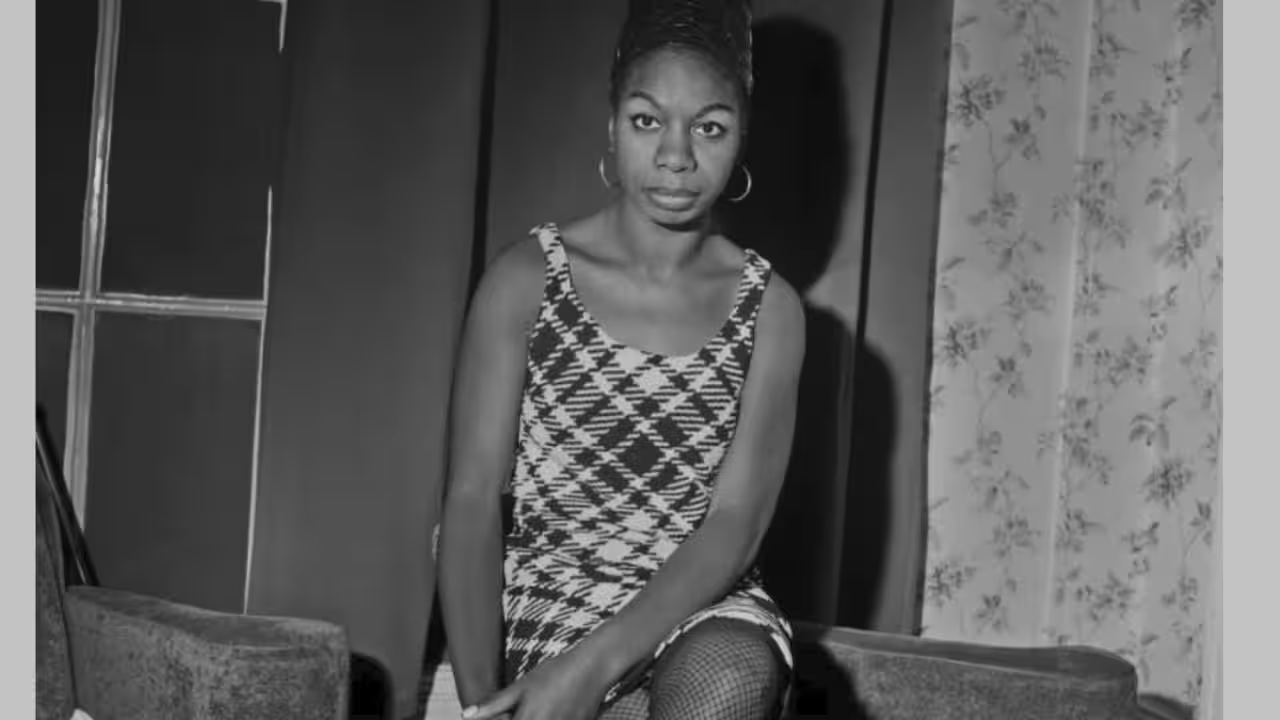
In a quiet corner of Tryon, North Carolina, a small white clapboard house once held the beginnings of a voice that would change music and challenge a nation. From 1933 to 1937, Eunice Kathleen Waymon, later known as Nina Simone lived in the three-room, 650-square-foot home nestled in the foothills of the Blue Ridge Mountains according to Architectural Digest. It was here that her extraordinary gift at the piano first appeared. For decades the house was largely forgotten, falling into disrepair and facing possible demolition. Today, after a careful rescue by four artists and a full restoration with the National Trust for Historic Preservation, the modest structure stands again as a living piece of Black cultural memory, with plans to welcome visitors in the years ahead.Nina Simone’s home in a reimagined versionIn late 2016, painter Adam Pendleton learned the house was for sale. A friend who owned property nearby reached out, hoping someone would step in before it was lost. Pendleton thought of a line from June Jordan’s 1978 “Poem for South African Women”: “We are the ones we have been waiting for.” He later recalled, “I realized that the someone to spring into action, the someone to do something, was me.” He contacted fellow artist Rashid Johnson, who shared his deep respect for Simone as both musician and thinker. Together they invited Julie Mehretu and Ellen Gallagher to join them. As Architectural Digest revealed, in 2017 the four artists purchased the house for $95,000, choosing to act as a collective rather than as individual buyers.Why artists stepped forward for Nina Simone’s homeThe decision was focused on creating a meaning. By pooling their names and networks, they wanted to show that protecting Simone’s early home was a shared cultural duty. Rashid Johnson put it simply: “We all reconciled our enthusiasm and recognition of how these kinds of sites; these kinds of opportunities, provide things that sometimes are hard to articulate. Sometimes it’s just the feeling of being in a place that matters, and that tells the story of someone that matters.” They then partnered with the African American Cultural Heritage Action Fund, part of the National Trust for Historic Preservation, which took the lead on the long-term care of the property.Careful hands to restore Nina Simone’s placeThe restoration kept as much of the original fabric as possible. Stamped tin roof shingles were carefully replicated. Remnants of old linoleum stayed in place. Original pine walls and wood floors were refinished. The porch ceiling was painted haint blue, a hue believed to ward off evil spirits, with roots in the traditions of the Gullah Geechee people, descendants of enslaved Africans in the American South. Modern needs were met quietly with geothermal heating, fire-suppression systems, and an ADA-compliant ramp. Outside, a swept dirt yard was recreated in the African tradition once common in the rural South. Archaeologists found the foundation of an old work shed and marked it for visitors. At the back of the property stands a nearly century-old magnolia tree, nicknamed “Sweetie Mae,” that was already growing when Simone was a child.A place meant to lastBrent Leggs, the Action Fund’s executive director and strategic advisor to the CEO of the National Trust described the goal clearly to Architectural Digest: “Our role was to ensure the home wasn’t just preserved, but protected forever as a living symbol of Nina Simone’s life. And our vision was to create a singular place where her legacy will endure.” Pendleton still remembers his first visit. Standing on the porch and looking toward the church where Simone once played, he felt the weight of the moment. “That overwhelmed me, this idea that everything begins somewhere,” he said. “And this is where it began for her.” In Tryon, the childhood home of Nina Simone has been given a second life, not as a museum frozen in time, but as a living space where her story continues to be felt.Who was Nina Simone?Nina Simone was a singular American musician, singer, and civil rights activist whose voice carried both beauty and fire. Born Eunice Kathleen Waymon in Tryon, North Carolina, in 1933, she trained as a classical pianist before moving to jazz, blues and protest songs that spoke directly to the struggles of her time. Her songs “Mississippi Goddam” and “To Be Young, Gifted and Black” made her a power to be reckoned with in the fight for equality. For much of her later life she lived abroad, but her music and indomitable spirit continue to connect with people decades after her death in 2003.Get the latest Bollywood & Entertainment News, and more. Download the TOI app.Give your child the gift of confidence! Claim your exclusive TOI Masterclass spot today!
Topics in this story
Gathered from external sources. Rights to this text belong to whoever originally published it.