Mel Gibson reveals ‘The Passion of the Christ’s’ most surprising legacy in new Raymond Arroyo interview
Mel Gibson says "The Passion of the Christ" sparked real crime confessions and Christian conversions, as he now prepares a massive two-part sequel.
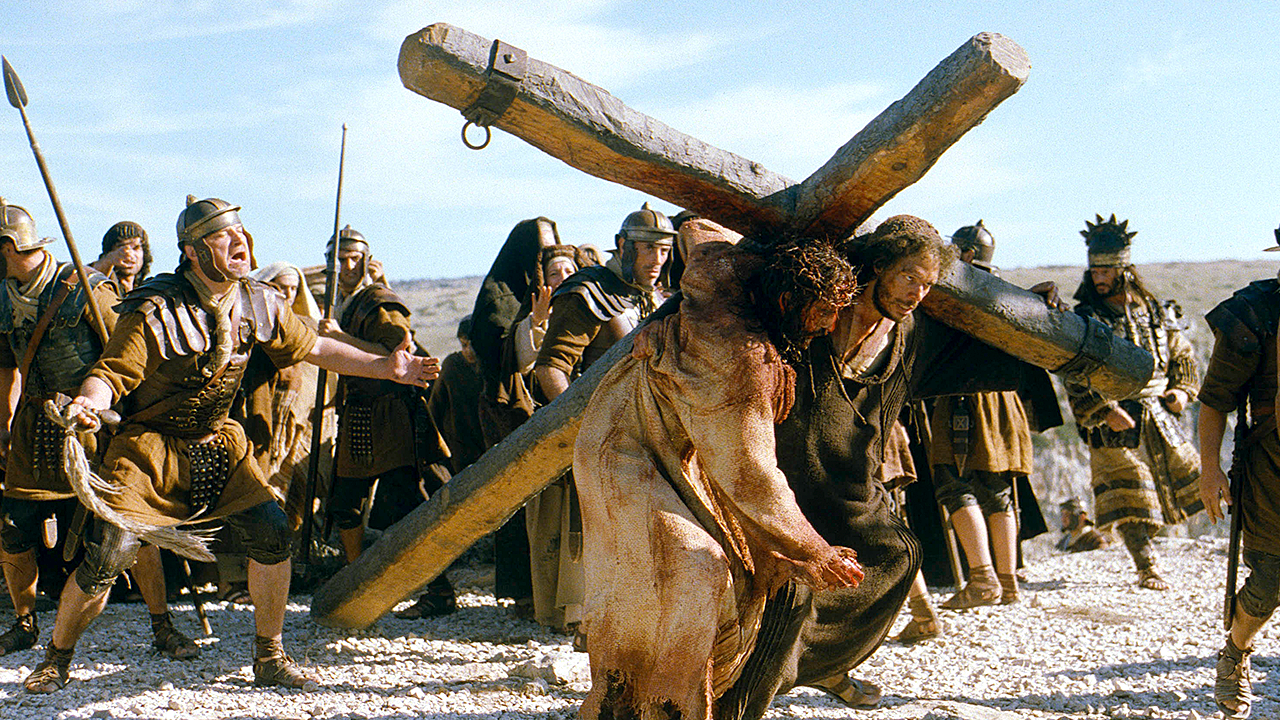
More than two decades after becoming a box-office hit, Mel Gibson’s "The Passion of the Christ" is returning to theaters nationwide as the Oscar-winning director prepares to tell the next chapter of the biblical story. Gibson spoke exclusively with Fox News contributor Raymond Arroyo about his upcoming two-part sequel, "The Resurrection of the Christ," reflecting on stories of real-life crime confessions and faith transformations he said were inspired by the original film, as well as the pre-release pushback it faced. The full interview is featured on the "Arroyo Grande Show with Raymond Arroyo" YouTube channel. MEL GIBSON'S 'RESURRECTION OF THE CHRIST' REVEALS FIRST PHOTOS AFTER LONG-AWAITED PASSION SEQUEL "I just wanted to make it as real as possible for people to enter into that journey, which is pretty grueling," Gibson told Arroyo about the 2004 film. "And previous depictions of it had been pretty much sanitized, and they made it look easy, and it wasn't. So, I wanted to emphasize that this was not easy. In fact, he didn't want to do it." "The Passion of the Christ" is a biblical drama depicting the crucifixion of Jesus Christ in excruciating detail. It starred Jim Caviezel as Jesus and focused on the final 12 hours of Jesus’ life, with dialogue mainly in Aramaic, Hebrew and Latin. HOLLYWOOD PRODUCER BEHIND 'APOLLO 13' REJECTS POLITICS IN HIS MOVIES, SEEKS TO UNITE AUDIENCES At the time, the film faced significant pushback before its release over its violence, religious themes and concerns that it could fuel antisemitism. Gibson told Arroyo he believes those fears did not materialize and that the film instead brought some people together. "It didn't do that at all, which I was pleased with," Gibson said. "Because people were like pointing at me and yelling at me, and it didn’t spawn any violence." GEN Z FLOCKING TO CATHOLIC CHURCHES IN NYC FOR YOUTH GROUPS, SOCIAL EVENTS AMID CONVERSION BOOM Instead, Gibson said he heard stories of people converting to Christianity or confessing crimes after seeing the film. He recalled one person confessing to bank robberies and another who "confessed to a murder." Beyond the film’s impact on individuals, it also helped reshape the entertainment landscape by demonstrating an audience for faith-based media. It went on to gross more than $610 million worldwide and has remained popular with Christian audiences. AMERICA ISN’T DONE WITH JESUS — AND THE BESTSELLER LIST JUST PROVED IT "Well, because people wanted it," Gibson explained when asked why the film resonated so deeply. "I think there was a hunger for it, and they went to see it in droves. And then I think others realized that there was a place where they could share their visions. And then there was zeal amongst faith-based people and filmmakers to explore it further." "The Passion of the Christ" returns to theaters Sept. 10 through Sept. 17. Gibson is also returning to the story of Jesus with a two-part sequel about what happened after the crucifixion and the resurrection of Christ. NEW BOOK ON ARCHAEOLOGICAL EVIDENCE FOR JESUS ROCKETS TO TOP OF BESTSELLER LIST "The Resurrection of the Christ: Part One" is set for release May 6, 2027, with Part Two scheduled for May 25, 2028. The first film focused on the final hours of Jesus’ life, while Gibson said the sequel requires a larger spectacle to depict his resurrection and the days that followed. CLICK HERE TO DOWNLOAD THE FOX NEWS APP For Gibson, telling the story of the Resurrection is essential because he views the Crucifixion as only part of the larger narrative. "It's not the climax," Gibson said. "It's a part of it. And it's a big event for sure. But the really astounding part of it is that someone can come back to life under their own strength and power from public death and then be public again after that."
Topics in this story
Gathered from external sources. Rights to this text belong to whoever originally published it.