Festivities unlimited: From Lucknow Mahotsav to litfests, city’s cultural calendar has never been busier
Lucknow’s cultural calendar is booming beyond Lucknow Mahotsav, with litfests, theatre, book fairs, craft and folk festivals filling weekends from Oct to Feb.
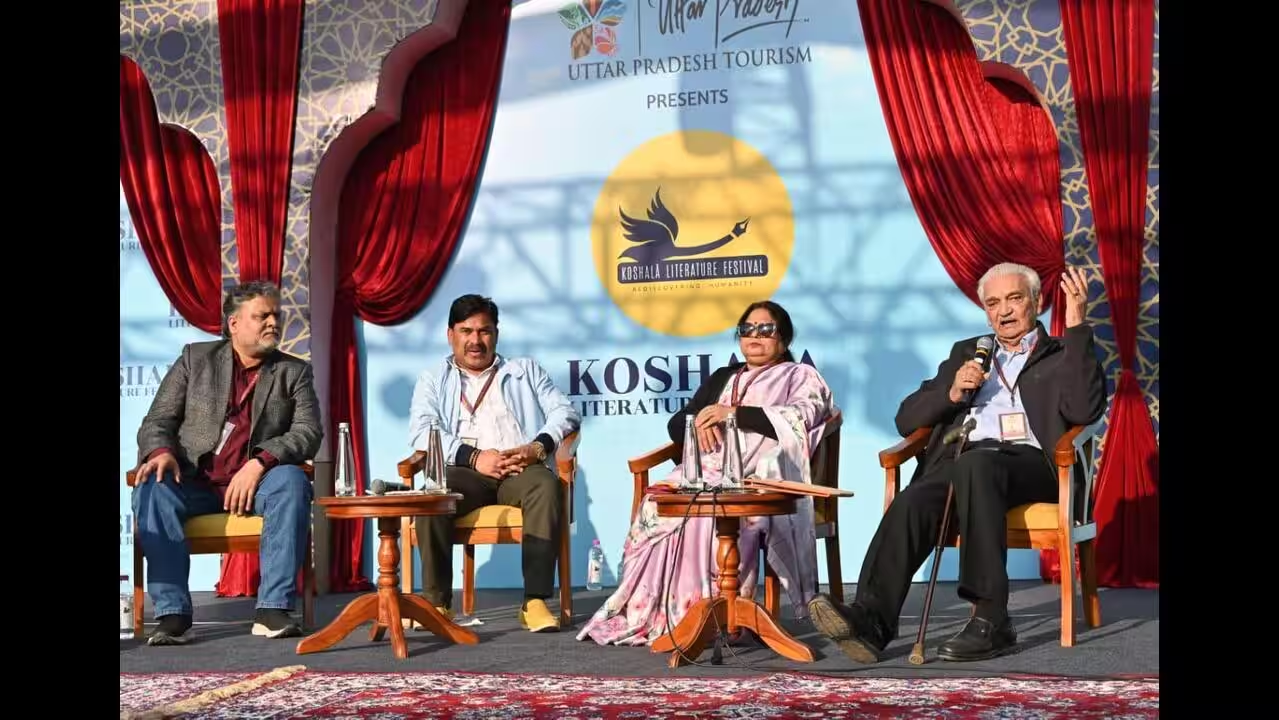
For decades, a visit to the Lucknow Mahotsav was a winter ritual for many city residents. Families flocked to the sprawling fairgrounds for handicrafts, food stalls, folk performances, amusement rides and cultural shows. The festival served as both a celebration of Awadhi culture and a common gathering space where people from across the city came together.Nearly five decades after the Mahotsav was first launched in 1975, however, Lucknow’s cultural landscape looks very different. While the Mahotsav remains an important part of the city’s identity, it is no longer the sole cultural attraction of the season.Today, residents can choose from a growing range of events almost every weekend during the festive and winter months. Theatre, literature, music, heritage walks, craft exhibitions, flea markets and folk-art festivals have created a much broader cultural ecosystem. Independent organisers, cultural entrepreneurs, literary communities and art collectives are increasingly shaping how the city experiences culture.The transformation is most visible between Oct and Feb, when pleasant weather and a festive atmosphere encourage people to explore public events. What was once a calendar anchored largely around one flagship festival has evolved into a dynamic network of specialised gatherings catering to diverse interests and audiences.A New Festival GenerationThe Lucknow Mahotsav was conceived in 1975 as a platform to promote tourism, traditional arts, handicrafts, cuisine and the cultural heritage of Awadh. Over the years, it became one of the city’s most recognisable annual events, drawing crowds from across Uttar Pradesh and beyond.Traditionally organised in late Nov or early Dec, the festival combined music, dance, handicrafts, local cuisine and entertainment under one umbrella. For many residents, a visit to the Mahotsav marked the beginning of the winter social season.The last edition before a prolonged pause was held in 2018, and plans were later announced for its revival. By then, however, Lucknow’s cultural ecosystem had already begun expanding in new directions.The arrival of literary festivals, theatre events and thematic cultural gatherings reflected changing audience preferences. Visitors increasingly sought curated experiences rather than just large-scale fairs. Social media, rising cultural awareness and the emergence of independent organisers helped create space for alternative formats.Metaphor Lucknow Litfest, founded in 2013, emerged as one of the city’s leading literary platforms, bringing together writers, public intellectuals, artists and readers. Around the same period, the Lucknow Literary Festival also began attracting audiences interested in books, ideas and public discourse.These events broadened the city’s cultural offerings, demonstrating that audiences were willing to engage with specialised festivals focused on literature, ideas and dialogue.Repertwahr further accelerated this shift. Founded in 2009 by Bhoopesh Rai and Priyanka Sarkar, it started as a theatre festival but gradually expanded into a multidisciplinary event featuring music, literature, stand-up comedy, food and artisanal markets.The growth of such festivals signalled the emergence of a new cultural generation, one interested in experiences that combine entertainment, learning, creativity and social interaction.The Gomti Book Festival, organised by the National Book Trust, has added further momentum. Its recent editions have brought together publishers, readers, authors and students through book exhibitions, discussions, workshops and cultural performances.Together, these events illustrate how Lucknow’s cultural calendar has evolved from a handful of large annual occasions into a year-round ecosystem of specialised festivals.The Growing AudienceFor Repertwahr founder Bhoopesh Rai, the festival’s journey mirrors the broader evolution of cultural participation in Lucknow.When the festival began in 2009, theatre audiences in the city were relatively limited. Building a consistent audience for live performances required patience and persistence. Over time, however, the event succeeded in cultivating a community of theatre enthusiasts while simultaneously expanding into other artistic disciplines.“As Repertwahr enters its 14th season in 2026, its continued presence is evidence of the audience that has grown around the festival over the years,” said founder Bhoopesh Rai.He said the upcoming edition is scheduled from Dec 17-25, with literary sessions, music, comedy and food at Janeshwar Mishra Park from Dec 17-20, followed by theatre performances at Sangeet Natak Akademi from Dec 21-25.The Lit SceneLucknow has long enjoyed a reputation as a city of literature, poetry and intellectual exchange. From Urdu literary traditions and mushairas to modern publishing and storytelling initiatives, books have always occupied a central place in the city’s cultural identity.What has changed in recent years is the scale and accessibility of literary engagement.“Metaphor Lucknow Litfest, established in 2013, created a platform for writers, thinkers, artists and public figures to interact with audiences. This year, it will be held on Nov 28 and 29. Metaphor is not only about bringing leading writers, publishers and intellectuals to the city, but also about giving a boost to the local economy, including hospitality, travel and publishing,” said organiser Kanak Rekha Chauhan.Koshala Literature Festival, launched in 2022, has strengthened this trend by focusing on Awadhi history, regional culture and contemporary issues alongside literature.For organiser Prashant Kumar Singh, the importance of such festivals extends beyond books.“This diversity matters because literary festivals are no longer aimed only at established readers or academics. They can introduce students to authors, give aspiring writers access to publishing conversations and encourage families to spend time around books,” he said.For a city deeply associated with language and storytelling, these festivals provide a contemporary platform for sustaining intellectual and literary traditions.The Rise of Experience-Led FestivalsNot every visitor attends a festival for books or theatre.Over the past few years, a different category of events has gained popularity in Lucknow: experience-led festivals built around shopping, food, music and social interaction.“Not every festival-goer comes looking for a book or a theatre performance. A growing audience is drawn to events that combine independent fashion labels, handmade products, food, music and socialising,” said La Flea organiser Varul Mayank.Events such as La Flea reflect the emergence of a broader festival economy where commerce and culture intersect. Independent brands, designers, artists and home-grown businesses use such platforms to connect directly with customers in an engaging environment.Festivals That Keep Traditions AliveNot all of Lucknow’s emerging festivals focus on contemporary entertainment. Several have carved out a niche by reviving traditional arts, crafts, folk music and cultural practices.The Sanatkada Festival has become one of the most prominent examples. Through exhibitions, performances, workshops and craft showcases, it celebrates Lucknow’s shared cultural heritage while creating opportunities for artisans and traditional practitioners.The Kabir Festival offers a different approach. Inspired by the poetry and philosophy of Sant Kabir, it brings together musicians, scholars and audiences for performances and discussions that explore themes of harmony, equality and human connection.Deshaj Festival, meanwhile, focuses on folk traditions and indigenous forms of artistic expression. By highlighting regional music, storytelling and performance traditions, it creates visibility for artists and cultural forms that often receive limited mainstream attention.Collectively, these festivals demonstrate that cultural preservation and contemporary relevance can coexist. Rather than treating heritage as something static, they reinterpret traditions for modern audiences while maintaining their essential character.Together, they underline a larger transformation in Lucknow’s cultural life. The city is no longer dependent on one annual fair to showcase its identity. Instead, a growing ecosystem of festivals now celebrates literature, theatre, crafts, entrepreneurship, folk traditions, music and public dialogue throughout the year.You Can Also Check: Gold Rate in Lucknow | Silver Rate in Lucknow | Bank Holidays in Lucknow | Public Holidays in Lucknow | Lucknow AQI | Weather in Lucknow | Petrol Price in Lucknow | Diesel Price in Lucknow | CNG Price in Lucknow | LPG Price in LucknowStay updated with the latest Lucknow news. Download the TOI App.
Topics in this story
Gathered from external sources. Rights to this text belong to whoever originally published it.