Amazon paid $3.5M for 1,000+ trailer moves that never happened — Connecticut man gets 2 years in prison
Ameer Nasir will serve two years in prison and three years of supervised release for the scheme.
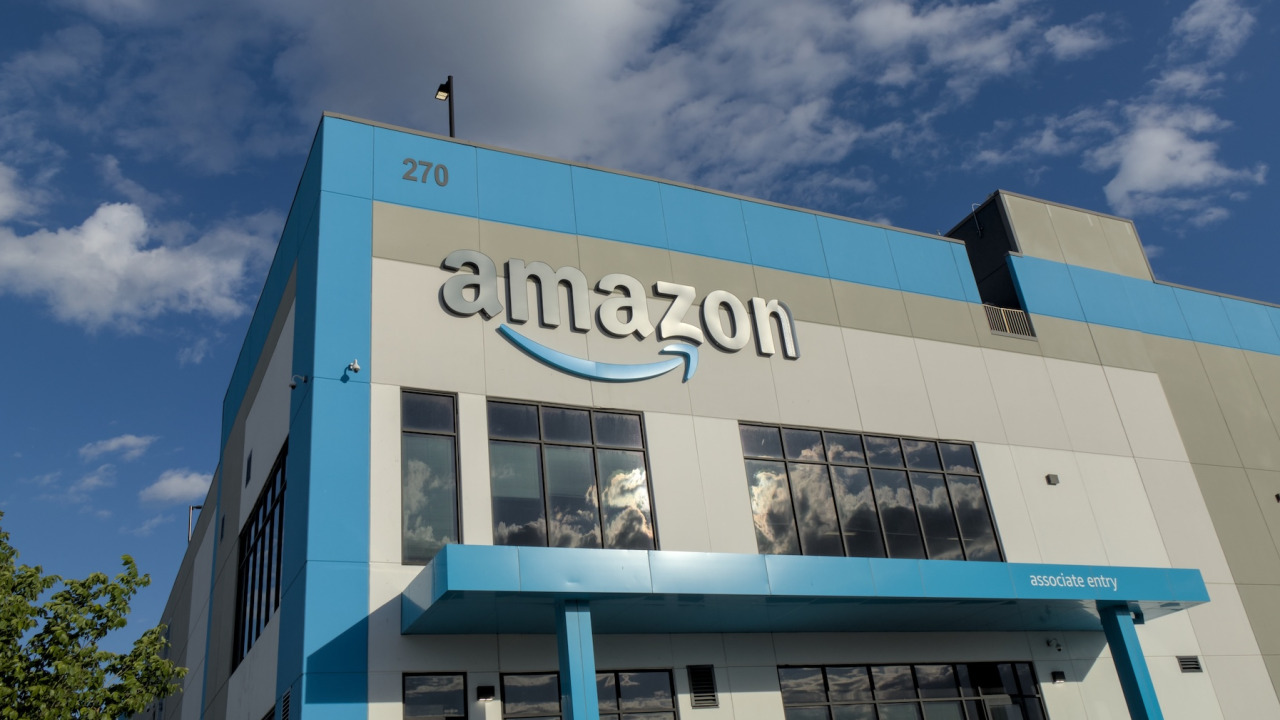
A Connecticut man is headed to prison after pleading guilty to defrauding Amazon out of millions of dollars in an elaborate logistics scheme.
Ameer Nasir was sentenced to two years in federal prison , followed by three years of supervised release for the crime, in which he defrauded Amazon out of more than $3.5 million. He remains out on a $300,000 bond and will report to prison on Nov. 12.
Jeff Bezos backs a platform that lets anyone invest in rental homes for as little as $100 — 6 ways to build wealth like a landlord without actually being one
A single line on your car insurance policy could be inflating your premium by up to 30% — here's what to change
Dave Ramsey warns nearly 50% of Americans are making 1 big Social Security mistake. Here's what it is and 3 simple steps to fix it ASAP
Nasir pleaded guilty to wire fraud on March 6 after being arrested on May 8, 2025. The wire fraud charge carries a maximum sentence of 20 years in prison. He has also been ordered to pay restitution to Amazon of $3,547,090.93.
Nasir targeted Amazon Logistics via a service called Amazon Relay , which connects trucking companies to transportation assignments. He registered 23 trucking businesses with the retailer's subsidiary, which organizes the transport of trailers between cities, warehouses and fulfillment centers.
According to the Department of Justice , one of those accounts was created in the name of Nasir's business, Pak Express Transport. The others were created under false names or by fraudulently using the names of other trucking and transportation companies.
From December 2019 through February 2021, officials say Nasir used these accounts to sign up for over 1,000 transportation assignments with Amazon Logistics. He manipulated data in the company's transportation management system to give the impression he had completed trailer movements when he had not, virtually checking trailers in and out of the system. He then submitted fraudulent invoices to Amazon Logistics, which were paid.
Amazon has introduced additional fraud controls to Relay to prevent future incidents. For example, drivers must now verify their identities and trailer telematics keep track of shipments that are in transit.
Trailers included GPS technology when Nasir was running his scheme, but he reportedly evaded it by using a manual override to make it appear he had completed the trailer movements.
Topics in this story
Gathered from external sources. Rights to this text belong to whoever originally published it.