Seagate vs. Western Digital: Which One is The Best AI Storage Play for Dividend Investors?
Seagate and Western Digital both ride the AI storage boom and show strong growth, but differ in valuation, dividends, and analyst upside potential.
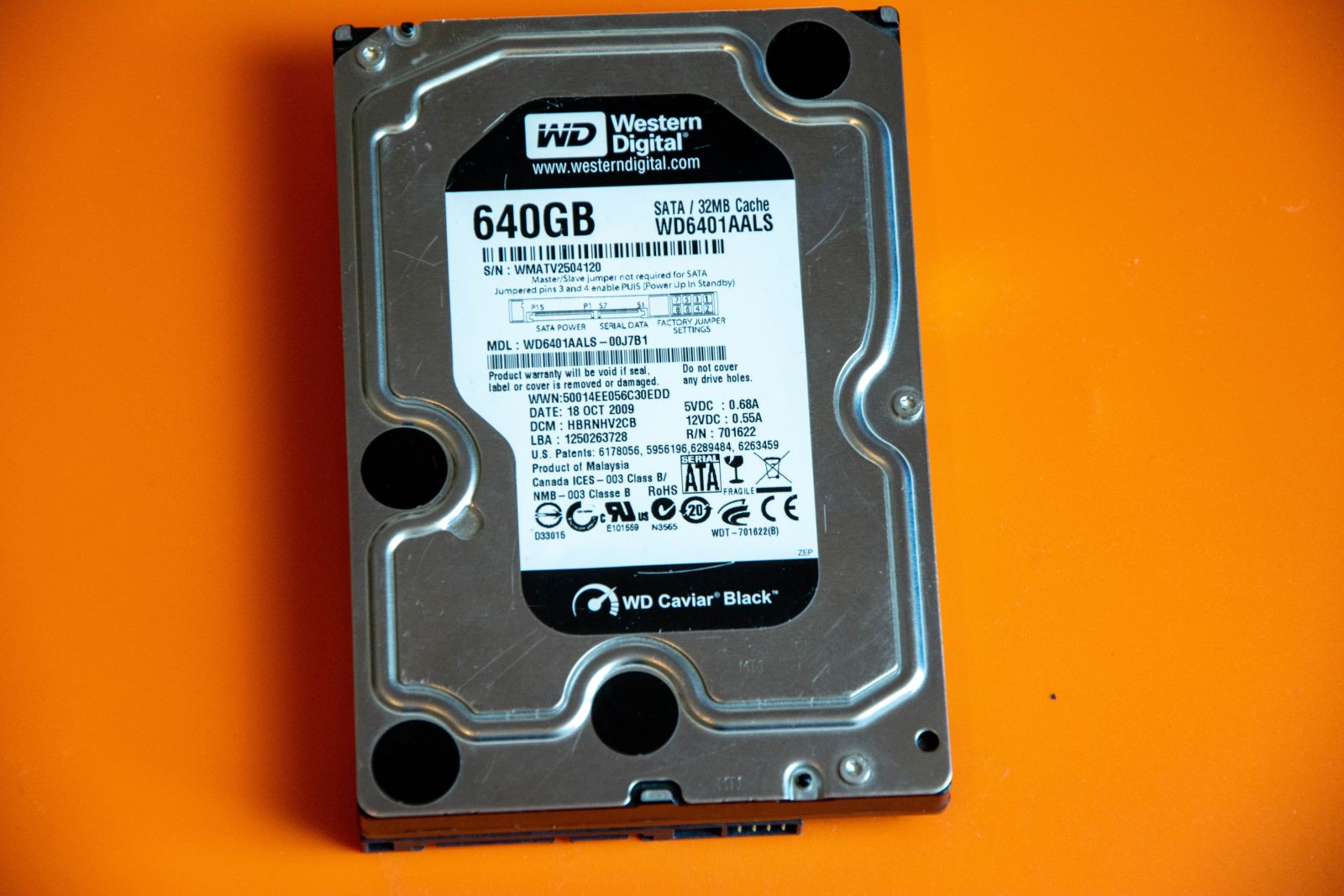
AI is creating tremendous opportunities in the market, but it's also blasting through supplies of several key computing components - and one of them is storage.
Demand for high-capacity hard drives is skyrocketing, with companies like Seagate Technology and Western Digital thriving in the AI boom.
For dividend investors, that makes the comparison worth watching. Both companies are benefiting from the same demand wave, but their financials, valuations, and dividends tell slightly different stories.
That's where this matchup gets interesting.
So let's see which one offers the better value to both dividend and growth investors, starting with Seagate.
Seagate Technology is one of the most famous names in data storage. It is best known for producing hard disk drives (HDDs) for computers, including those in data centers and mega storage systems. The company has a market cap of $186 billion, while the stock is up 207% year-to-date.
Western Digital shares the top spot in the storage industry. I wouldn't blame an investor for thinking the business looks remarkably similar to Seagate's, with both companies focused on supplying advanced hard drives to data centers, cloud providers, and other large storage customers. Similar business model, more or less the same market cap, and both stocks have performed well this year. In fact, WDC has a market cap of $155 billion, while its stock is up 172% YTD.
However, initiatives and the numbers underneath the rally tell a different story.
The Next Big Push in AI Data Storage Demand
The AI boom is not just about chips. As AI agents grow, demand for storage is almost insatiable; it all needs to go somewhere. And that puts Seagate and Western Digital in an interesting spot.
Seagate is advancing its next-generation Mozaic 4+ platform, which uses heat-assisted magnetic recording (HAMR) to pack more data onto the same physical disk. Its latest drive can hold up to 44 TB, which is a lot of storage.
That increased capacity reduces the need for more racks, electricity, cooling, and floor space compared to thousands of smaller drives, which is crucial for large-scale data centers and AI hubs. Seagate is also working towards reaching 100TB of storage, more than double what it offers today.
Topics in this story
Gathered from external sources. Rights to this text belong to whoever originally published it.