‘There’s nothing temporary about a temporary store’: How Spirit Halloween’s CEO took it from 130 stores to 1,550—and swallowed your mall’s Hot Topic
Steven Silverstein built Spirit Halloween into a 1,550-store giant with vacant buildings, returning workers and a show borrowed from Bloomingdale’s.
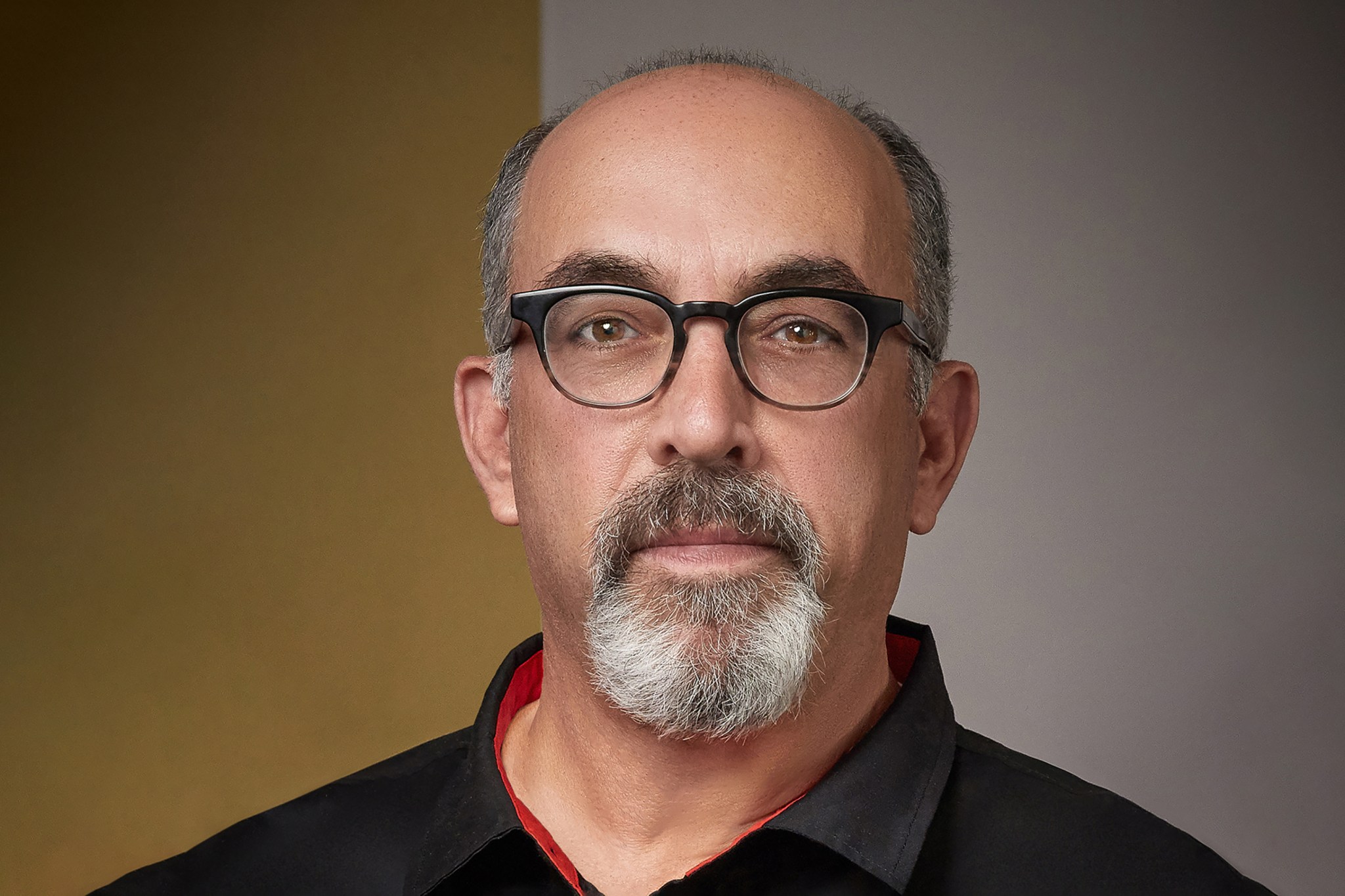
Every year after Halloween, Spirit Halloween's stores empty out and the signs come down. To shoppers, the chain disappears, until next September or so, when another store pops up somewhere in the neighborhood. But to Steven Silverstein, it never closes.
"There's nothing temporary about a temporary store," Silverstein, CEO of Spencer Spirit Holdings, told Fortune . "We are 24/7, 365 Halloween, and you just don't see it."
Its stores open for eight to 10 weeks a year, but planning for next Halloween starts before this year's doors close. The rest of the year goes to signing leases, making and shipping millions of costumes, and lining up tens of thousands of seasonal workers.
When Silverstein joined parent company Spencer's in 2003, there were only 130 Spirit stores nationwide. Now, there are roughly 1,600 locations a year. Moody's estimated that Spencer's and Spirit together made about $1.9 billion in 2023 , and Spirit's two-months of operations brings in more than Spencer's. This year, the company completed its purchase of Hot Topic, BoxLunch and Her Universe from Sycamore Partners, giving it more than 3,000 stores across North America.
Spirit is the largest Halloween specialty chain in North America, and its biggest rival is gone. Party City, which sold costumes alongside party supplies, filed for bankruptcy for the second time in Dec. 2024 and closed its nearly 700 stores by the end of Feb. 2025. Now, folks can turn to Walmart , Target or Amazon—or go in person to catch a show at Spirit.
"We don't sell anything anybody needs. We only sell things you have to have," he said. "It's based on wants, not needs."
Silverstein came to Spirit from Linens 'n Things in 2003, well before its 2008 bankruptcy. But the lesson he brought with him came from earlier, at Bloomingdale's, where he started in 1985 under CEO Marvin Traub, who Silverstein credits with bringing retail theater to the forefront. In those days, he said, Bloomingdale's was famous for its country promotions.
"We are in an entertainment business," Silverstein said of Traub's lesson. "We need to use our stories to entertain and delight the customer."
The first Spirit store he saw had none of the bells and whistles you expect of today's modern-day equivalent. The fixtures were made from the very boxes that the costumes came in, simple merchandise boxes wrapped in black plastic, and the checkout counter was made of two-by-fours and cement blocks. Local Halloween shops were opening on every corner, and Party City was [at the time] the main destination.
Topics in this story
Gathered from external sources. Rights to this text belong to whoever originally published it.