Hourly workers are living with 7.86% inflation. No wonder they voted against the AI boom
The backlash and the buildout are one problem.
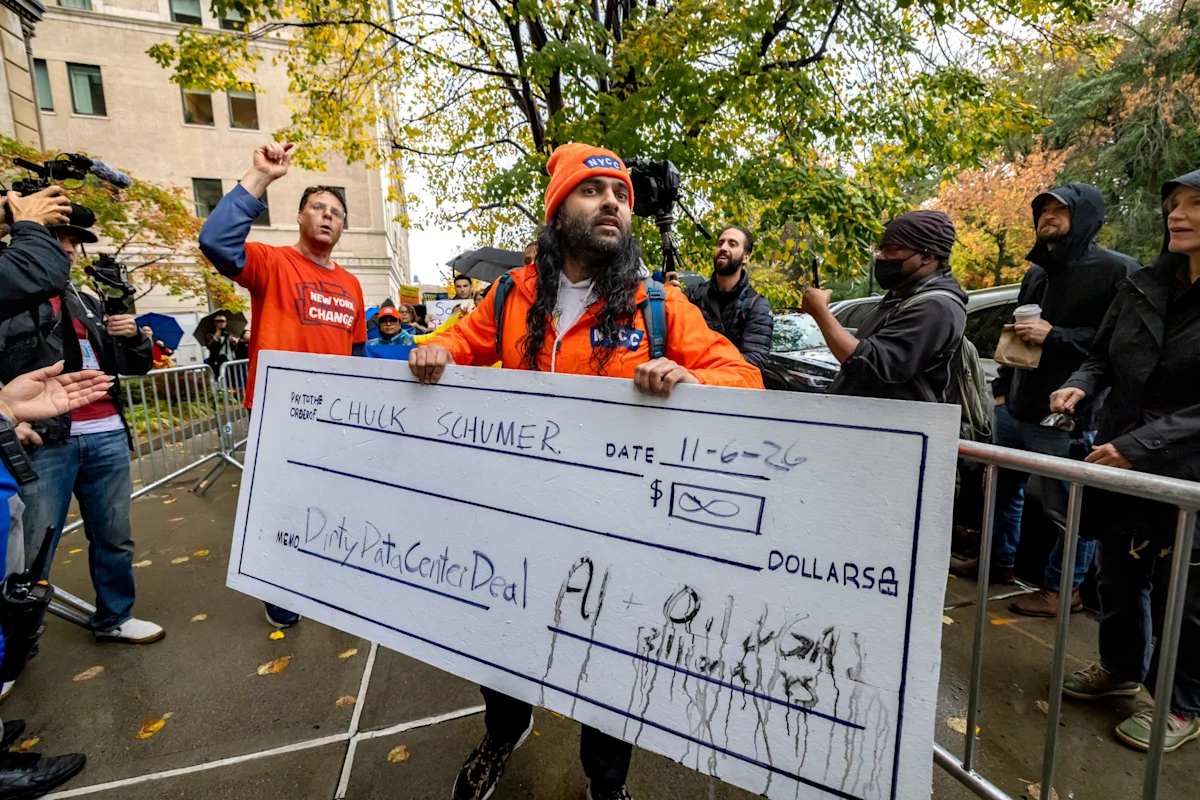
On Nov. 3, in 40 of 41 local votes across 10 states, Americans chose to limit data centers. Many observers read that as voters choosing a recession over the biggest industrial buildout of their lifetimes .
I read it differently. Hourly workers are short on paycheck, and the warehouses near those data centers are short on hourly workers. The backlash and the buildout are one problem seen from two ends.
I see both ends because my company staffs those warehouses, which also means a tight labor market is good for our business. The figures below come from our shift and survey data unless I note otherwise.
Headline inflation was 3.7% in September . The Bureau of Labor Statistics itself says the CPI " does not necessarily measure your own experience with price change ." For hourly workers, the gap is wide. In our survey of 3,083 hourly workers this summer , 69.4% said they earn under $30,000 a year across all their jobs, and only about half have a savings account.
So I rebuilt the number around how these workers spend. I call it FeelFlation. We took each category's share of take-home pay and weighted it by how much that category's cost rose in the 12 months through September (figures rounded):
Rent or mortgage: 28% of take-home pay, costs up 3%
The weighted total is 7.86%, more than double the headline. The interest increase is our estimate from Consumer Financial Protection Bureau data, combining higher interest rates with balances that stay unpaid longer. If anything, 7.86% understates the squeeze, since newer data put insurance premiums up 16%.
Three categories do most of the damage: interest, insurance premiums and transportation. Together they take 41% of the paycheck and drive nearly 80% of the increase. Interest alone adds more than three points, and it's a cost the official gauge leaves out. The CPI tracks the prices of what people buy and excludes the interest on the credit cards and auto loans they use to pay for it. Gas prices make people angry because they see them every day. A debt bill that eats one dollar in six does more damage, quietly.
Hourly pay on our platform rose 3.1% over the same 12 months. The things these workers pay for rose 4.76 percentage points faster than their pay, and they're responding the only way they can. In that same survey , 67.6% said they pick up an extra shift rather than borrow when an unexpected bill hits.
Topics in this story
Gathered from external sources. Rights to this text belong to whoever originally published it.