China's downturn is turning into America's problem
China's slowing economy and strong local rivals are making it harder for US companies like Starbucks, Nike, and Apple to keep competing there.
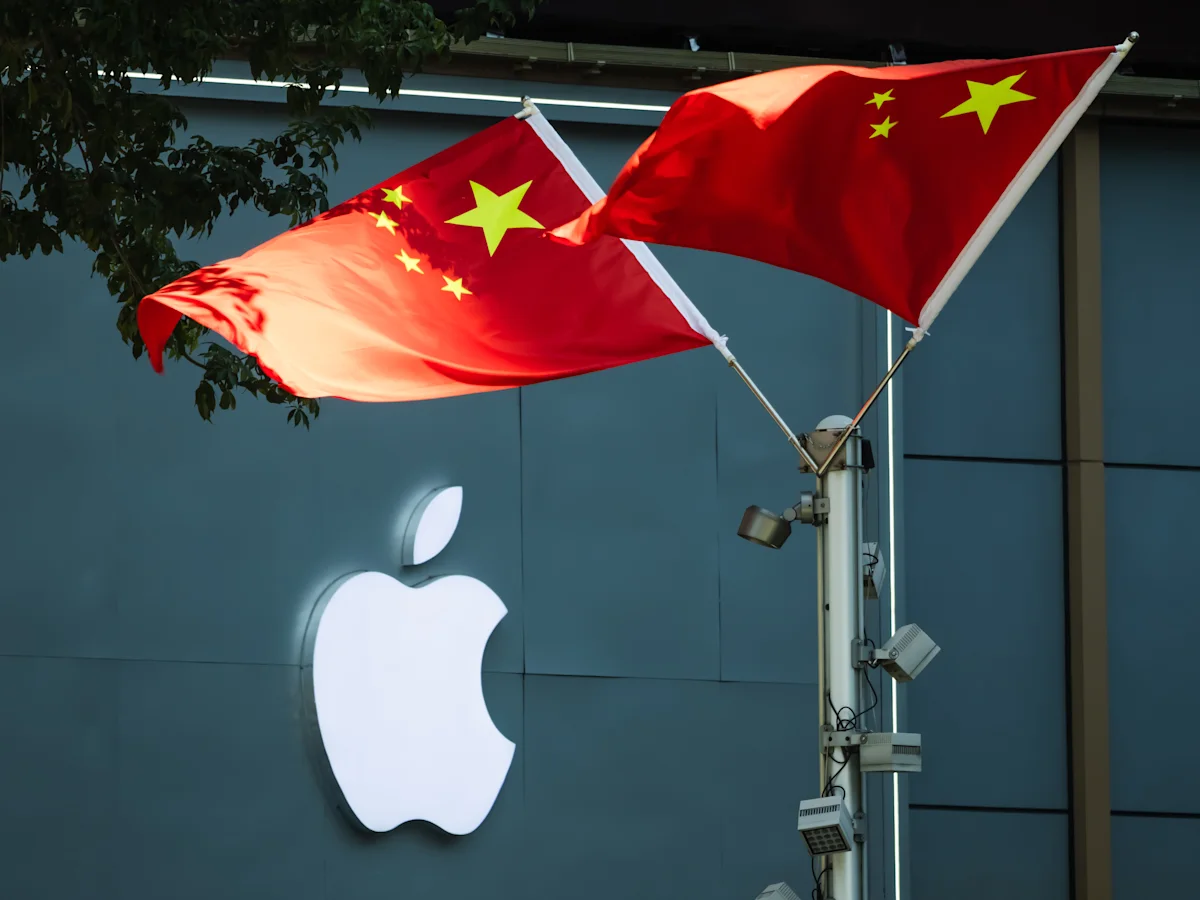
For years, American companies doing business in China could count on one thing: growth. A rapidly expanding middle class, rising real estate wealth, and consumers eager to spend helped turn China into one of the most important markets for companies from Apple to Starbucks. Not anymore.
Nearly four years after China abandoned its Zero-COVID restrictions, the consumer rebound many companies hoped for has failed to restore the old growth trajectory. The housing market slump is dragging on, families remain cautious with their spending, and companies increasingly have to fight against homegrown competitors for market share. For American brands, what initially looked like a bad economic cycle is increasingly a new competitive reality.
Allison Malmsten, marketing director at China-focused Daxue Consulting, tells me that in the wake of the pandemic, people were "sitting on the edge of their chairs waiting for the old China to come back." That illusion has been shattered.
American and European companies in China are scrambling to adapt to this new age. Some are handing greater control to local partners, others are overhauling how they sell and market their products, or adjusting prices to compete with domestic rivals. While each company's strategy differs, they reflect the same change: China's economic tide is going out, and America's business giants are trying to avoid running aground.
China's middle class swelled from 39 million people in 2000 to more than 700 million in 2018, staggering growth that fueled a boom for American companies. Even after China's economy struggled to recover after the pandemic, the stakes remained enormous: 173 publicly listed US companies reported more than $307 billion in combined revenue in China in 2024, according to the Information Technology and Innovation Foundation, a think tank.
That boom, however, has ground to a halt. China's real estate crisis has damaged what was once a major source of household wealth, while weak job prospects have crushed consumers' appetite to spend. John Woods, the chief investment officer for Asia at Lombard Odier, a Swiss bank, described China's property-linked economy as being caught in a "balance-sheet recession that is phenomenally intractable." Essentially, households and businesses focused on paying down debt rather than borrowing and spending. That means traditional methods of boosting the economy — specifically, lowering interest rates to make borrowing easier — are unlikely to be effective at getting the wheels of commerce moving again.
Topics in this story
Gathered from external sources. Rights to this text belong to whoever originally published it.