American paychecks are losing to inflation again — here are the most painful categories
Gas is getting cheaper, but airfares, restaurant meals, and power bills are rising faster than pay.
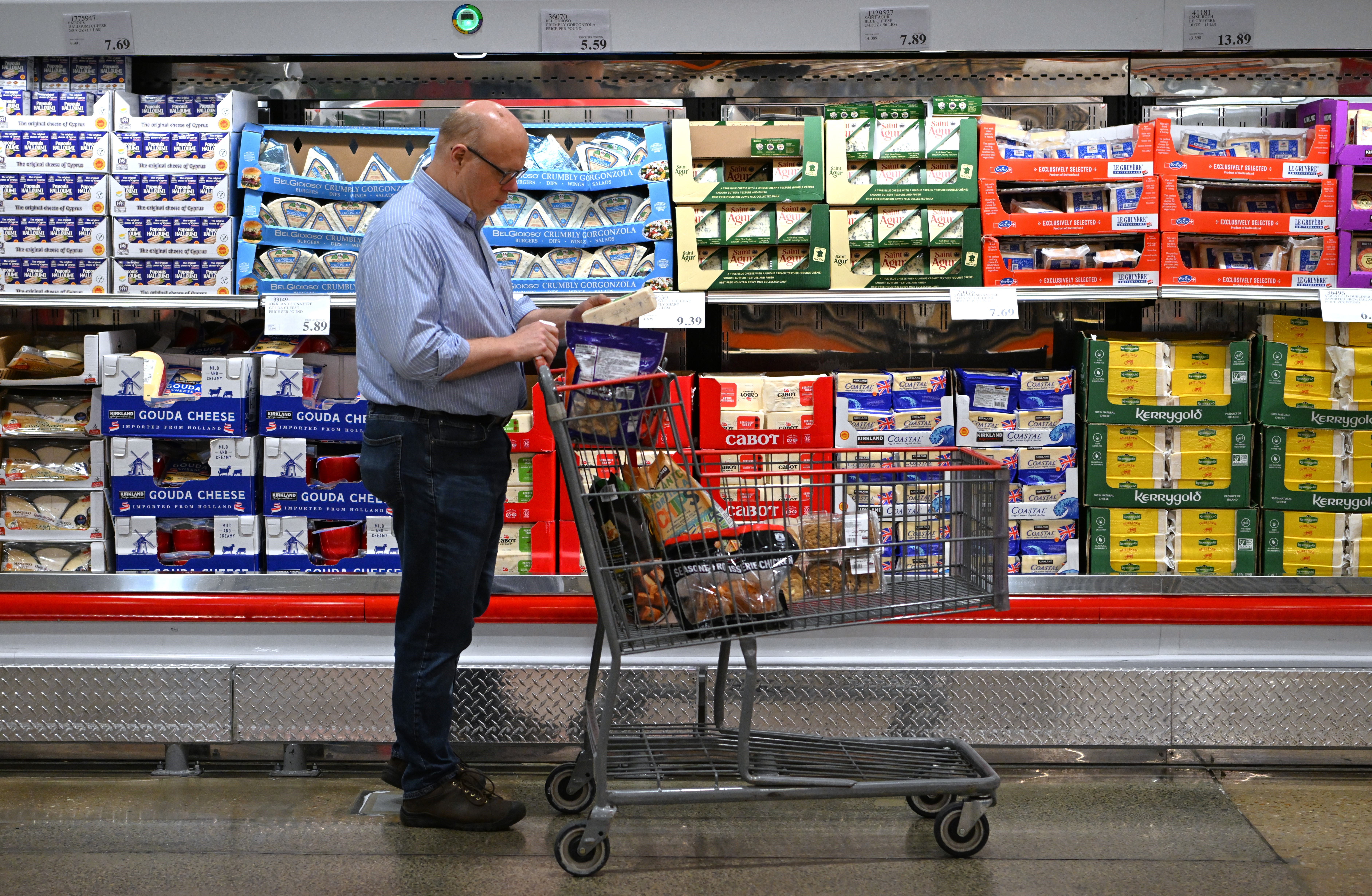
The gas pump is about the only place Americans are getting relief from inflation. Plane tickets, restaurant meals, and electric bills have all risen faster than the average worker's pay over the past two years.
Pump prices have fallen for six straight weeks . Even so, a gallon of gas still costs about 37% more than it did a year ago.
That's one of the few yearly numbers the government could publish Tuesday. The Bureau of Labor Statistics did not collect October 2025 prices during last year's shutdown, so the usual annual inflation rate is missing.
So we estimated it. According to Yahoo Finance's calculations, consumer prices rose about 4% in the year through October, up from 3.7% in September.
Paychecks didn't keep up. Average hourly pay rose about 3%, which leaves pay down nearly 1% after inflation. That's the seventh straight month workers have lost ground, matching May as the worst stretch of the run.
And prices are speeding up. They rose 0.4% in October, while "core" prices , which leave out food and energy, rose 0.3%. Both came in hotter than Wall Street expected.
Over the past three months, core prices climbed at a nearly 4% annual pace, noted Kevin Gordon, head of macro research and strategy at the Schwab Center for Financial Research. That's the fastest since April 2024, per Yahoo Finance's calculations.
"For households, the reduced purchasing power from inflation hits twice as hard when your wages aren't keeping up," Elizabeth Renter, lead economist at Life360, said in emailed comments.
Since October 2024, average hourly pay has increased by about 7%. Here's what outran it.
Airfares jumped more than 20%. Car repairs rose by about 13%, hospital services by about 12%, and electricity by nearly 10%. A meal at a sit-down restaurant costs about 9% more.
Groceries are the exception, up only about 5%.
Take the average of four costs most households can't skip — the "utility, gasoline, grocery, and electricity components" of the index — and they're up 12% from a year ago, Gordon wrote on X .
The war in the Middle East is a major reason, according to RSM chief economist Joe Brusuelas. He pointed to "the passing through of higher energy prices — think diesel prices — to transportation services and food at home." Diesel , the fuel that powers nearly everything else, is still near its record high.
That leaves the Federal Reserve on track to raise interest rates, which would push up borrowing costs on credit cards, car loans, and other debt. Fed governor Chris Waller said Tuesday he's leaning toward a December hike and would consider a half point , double the usual move, if inflation runs hot. Traders on Polymarket see a better-than-90% chance of a hike when the Fed meets on Dec. 8-9.
Topics in this story
Gathered from external sources. Rights to this text belong to whoever originally published it.