How Kraft Heinz is keeping its legacy brands affordable for cost-conscious shoppers
For Kraft Heinz CEO Steve Cahillane, changes in the grocery marketplace demand a shift in strategy.
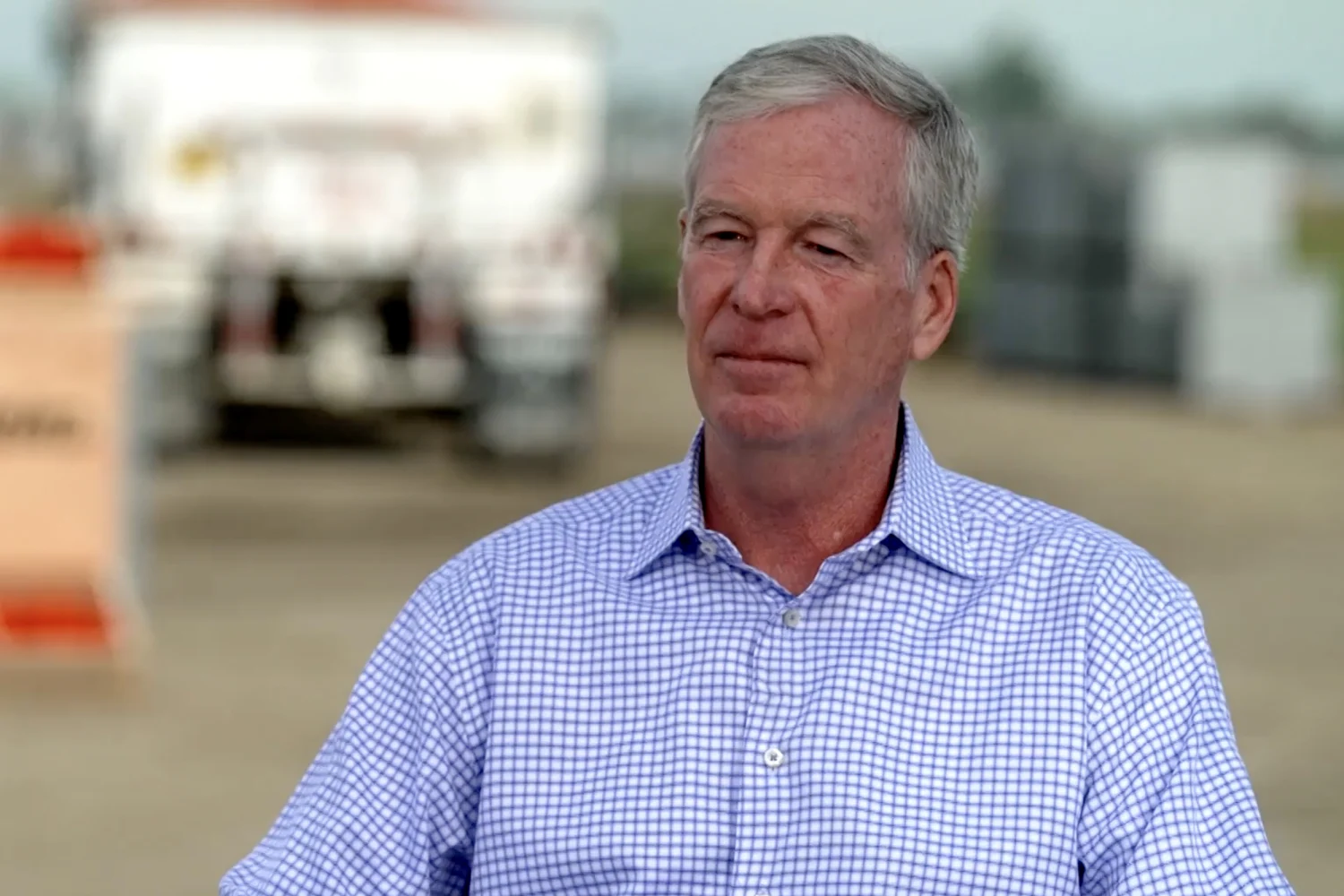
Years of high inflation have strained household budgets across America, putting a spotlight on the rising costs of necessities such as gas and groceries. They have also contributed to a shift in how consumers perceive value at the supermarket. New research from McKinsey finds that Americans are increasingly turning away from name-brand foods to lower priced, private-label or store-brand products. For Kraft Heinz CEO Steve Cahillane, these changes in the marketplace demand a shift in strategy. “We can’t just rely on having a strong brand and saying that’s going to be enough,” he said in an interview on a tomato farm in Woodland, California, part of NBC’s “Business in America” initiative. “Consumers have only so many dollars available for their food budget in a month’s time, and so you have to earn the right to be in that basket each and every day.” In recent years, store brands have shed their traditional associations with lower quality ingredients and temporarily “trading down.” Today, 85% of consumers believe private-label grocery products are just as good or better than those from name brands, McKinsey reports. Kraft Heinz sells more than 200 brands, many of them household names such as Heinz ketchup, Kraft Mac & Cheese, Oscar Mayer meats, Capri Sun drinks, Miracle Whip spread, Velveeta, Philadelphia cream cheese and Kool-Aid. But this is a challenging time to be in the name-brand food business. Last year, Kraft Heinz’s net sales in North America were down about 5% from 2024. When Cahillane took the helm as CEO in January, he was tasked with turning the business around. One part of that strategy, he said, is deploying promotional discounts more strategically. “We’re working with our retail partners to make sure that at the beginning of the month, when consumers are really doing their big shops, that we’re out there with good offers across the board,” he said. Consumers in general tend to have more spending power at the beginning of the month when government benefits such as SNAP are distributed, paychecks arrive and monthly budgets reset. “Promotions can be an effective means by which to drive that initial purchase,” said Erin Lash, a senior director of consumer equity research at Morningstar. But promotions can also create a new challenge: getting shoppers to come back once the deal is gone. “Promotions can be kind of a slippery slope,” said Mark Mayer, associate professor of Marketing at Indiana University and a former Kraft Foods brand manager. If customers “only buy your product when they can get it for a deal,” then the promotion defeats its purpose, he said. Unlike store brands, a company like Kraft Heinz needs a pricing strategy that both appeals to shoppers and also protects the brand’s status. “In general, competing on price is not great for established brands,” said Alexander Chernev, professor of marketing at the Kellogg School at Northwestern University. Unless a company is specifically positioned from the outset as a discount brand, slashing prices can undermine a brand’s identity. This is especially true for legacy products like those in Kraft Heinz’s portfolio. It requires Kraft Heinz to pull off a difficult balancing act: Making its products more affordable without diminishing the value of its brands. Cahillane said that when it comes to pricing, Kraft Heinz is not lowering list prices across the board. Only where the economics make sense. “The biggest price drop, where we’re bringing prices down, is most certainly in our coffee business,” which is home to brands like Maxwell House and Gevalia. A drop in global coffee prices strengthens the economic case for price cuts. As of Wednesday, benchmark coffee futures were down 30% from a year ago. Kraft Heinz is also offering some of their products in smaller sizes. “This isn’t shrinkflation,” Cahillane said, “this is recognizing that if we’re selling a 32-ounce bottle of ketchup and that’s too much for a family… we have a smaller 8-ounce bottle at a very affordable price.” It’s a strategy that has also been utilized by other major packaged food companies, including PepsiCo, Campbells and Mondelez, as they look to offer shoppers lower-priced options. Ultimately, Kraft Heinz must give shoppers a reason to pay full price, Cahillane said. And quality is what will justify the premium. “Value is affordability, but it’s also delivering the product quality and the promise that you’re making to consumers,” he said. “If they buy your brand, they’ll be receiving a value that they’re willing to pay for.”
Topics in this story
Gathered from external sources. Rights to this text belong to whoever originally published it.