Wall Street's Biggest Bubble Looks Ready to Burst, and I Don't Mean AI or Quantum Computing
A $1.5 trillion powder keg can upend the stock market’s four-year rally.
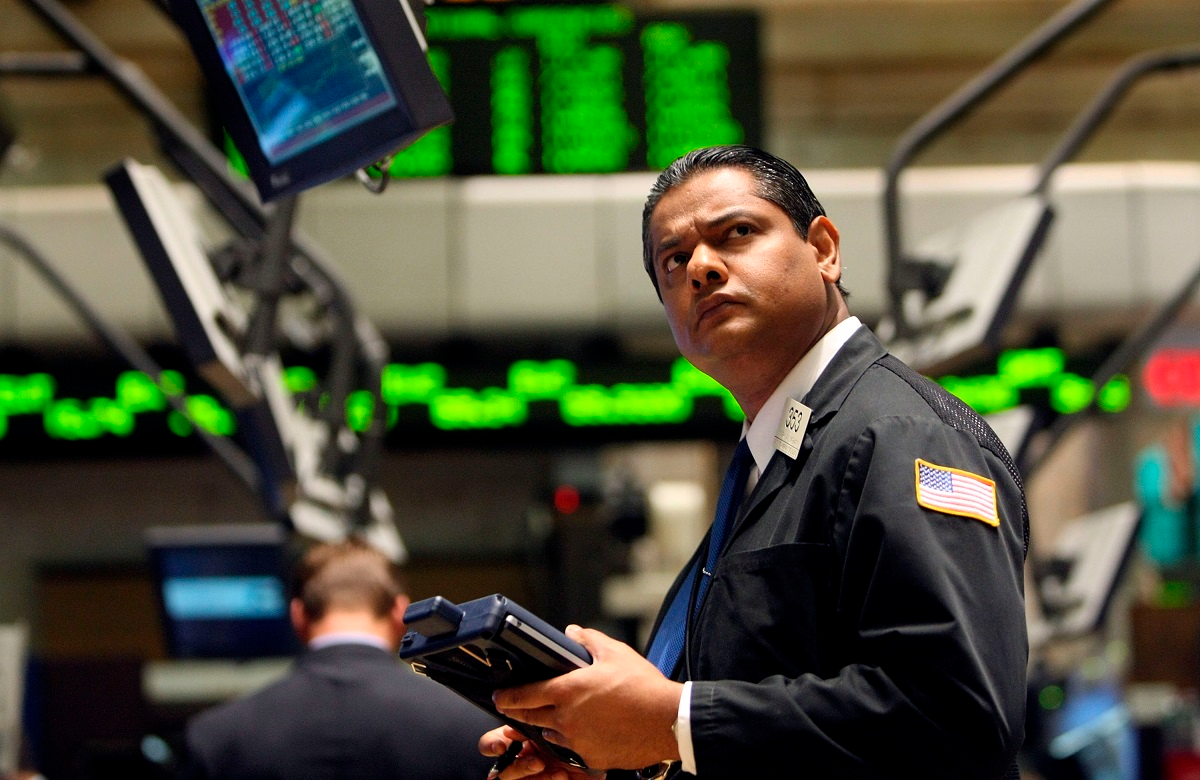
Last month, Wall Street and investors celebrated the fourth anniversary of the current bull market. Both the benchmark S&P 500 (SNPINDEX:^GSPC) and growth-fueled Nasdaq Composite (NASDAQINDEX:^IXIC) have more than doubled from their 2022 bear market lows, while the iconic Dow Jones Industrial Average (DJINDICES:^DJI) has rallied as much as 90%.
A confluence of factors has propelled Wall Street's major stock indexes to new heights, no two of which are larger than the evolution of artificial intelligence (AI) and the advent and early-stage proliferation of quantum computing. Both are trillion-dollar addressable opportunities that investors simply don't want to miss.
Missed Nvidia in 2009? This Rare Signal Is Flashing Again. In 2009, a "Double Down" signal flashed for a little-known chipmaker called Nvidia. For the first time in years, that same "Total Conviction" signal is flashing for a company 1/100th the size of Nvidia. Continue »
But following the stock market's parabolic climb, concerns are mounting about a possible AI and/or quantum computing bubble-bursting event. While history hasn't exactly been kind to next-big-thing technologies -- every game-changing technology has endured an early-innings bubble-bursting event since the mid-1990s -- there's an even more prominent bubble that looks ready to burst , based on what history tells us.
This $1.5 trillion bubble can upend the stock market's AI- and quantum computing-driven rally
While history shows that the AI and quantum computing bubbles should eventually burst, the $1.5 trillion outstanding margin debt bubble may be the spark that upends the stock market's four-year rally.
"Margin" is money an investor borrows from their broker, with interest, to wager against (short-sell) or purchase securities. When margin is used to buy stocks or exchange-traded funds (ETFs), it represents a form of leverage.
Using margin can be risky. If an investor's wager moves in the desired direction, they can quickly amplify their gains. But if a stock or ETF moves in the opposite direction, losses can be quickly magnified. This dynamic makes outstanding margin debt a somewhat crude, yet intriguing measure of investors' willingness to take risks.
According to FINRA, outstanding margin debt rocketed to an all-time high of $1.502 trillion in June. Although margin debt is expected to steadily increase over time in lockstep with the overall value of the stock market, bad things often happen when the amount investors borrow from their brokers rises dramatically over a short time frame.
Topics in this story
Gathered from external sources. Rights to this text belong to whoever originally published it.