Jamie Dimon Committed JPMorgan to $750 Billion of Housing Investment Through 2035
The investment bank sees the massive housing shortage as a major opportunity.
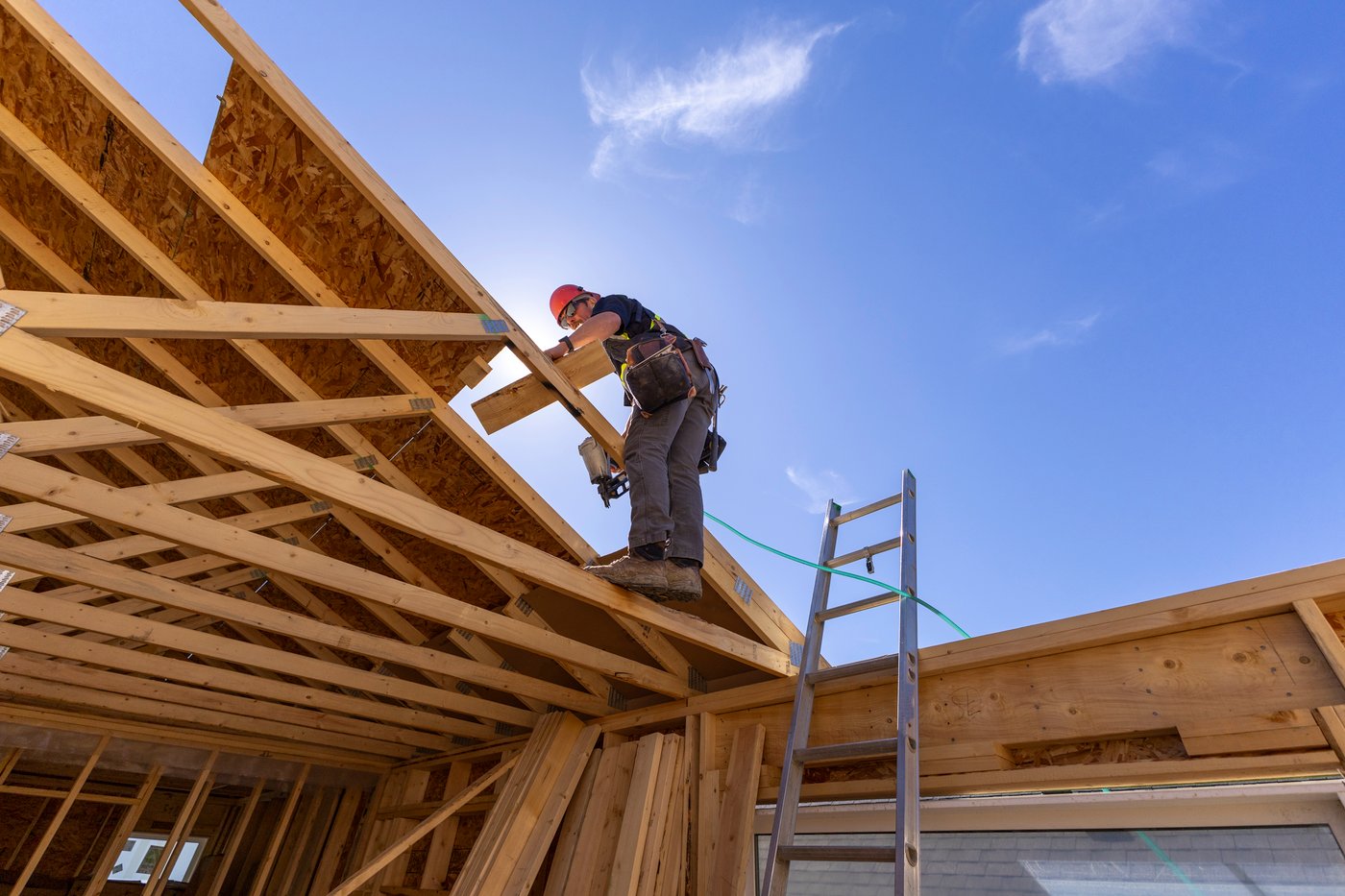
JPMorgan Chase (NYSE: JPM) just upped its bet on housing. The banking giant said it will spend $750 billion over the next decade -- through 2035 -- to increase the nation's housing supply and support homeownership. That's 40% more than it spent on housing investment over the past decade.
The initiative is part of CEO Jamie Dimon's American Dream Initiative, which targets investments in local communities across the U.S. with investments in housing, small businesses, and healthcare, among other areas. The $750 billion housing investment will go toward building or preserving 1 million affordable housing units and providing financing assistance to 500,000 homebuyers.
Missed Nvidia in 2009? This Rare Signal Is Flashing Again. In 2009, a "Double Down" signal flashed for a little-known chipmaker called Nvidia. For the first time in years, that same "Total Conviction" signal is flashing for a company 1/100th the size of Nvidia. Continue »
The U.S. housing industry is currently facing a severe shortage of up to 4.7 million homes, according to Zillow (other estimates put it lower). And affordability is near an all-time low due to rising home prices and elevated borrowing rates. The median price of a home hit a record $440,600 in June, and the average 30-year mortgage rate, at 6.65%, is more than double what it was five years ago.
Home sales across the nation are struggling, in a big way. The National Association of Realtors says existing home sales fell 1.7% in July, from the previous month, following a 2.4% decrease in June.
JPMorgan is already a major player in the housing industry -- it's the largest home lender among its bank peers, according to Bloomberg. And this planned housing investment will only increase it. The bank says it will increase its mortgage lending by 40% and hire 850 new home lending advisors.
JPMorgan looks to capitalize on the shortage
The timing on this matter seems right to me. Both parties in Congress recognize the dual crises of housing undersupply and unaffordability and want to address them. That's how the 21st Century ROAD to Housing Act passed this year with bipartisan support. The legislation encourages states and municipalities to streamline regulations that obstruct home construction and to increase lending to companies in the industry.
I've written extensively about that legislation and spoken to housing experts about it. Most of them tell me the act makes positive strides toward closing that enormous housing gap, but it's not enough. I also recently wrote about manufactured housing , which the legislation encourages, and why that must be part of the solution (basically, because manufactured and mobile homes are far cheaper than homes built on-site).
Topics in this story
Gathered from external sources. Rights to this text belong to whoever originally published it.