AI companies worry about the tech harming humans in the future. But it may damage the US economy even sooner
President Donald Trump is suddenly at odds with AI’s leading executives over the largely unchecked development of AI technology. And it may be because our economy can’t afford a slowdown.
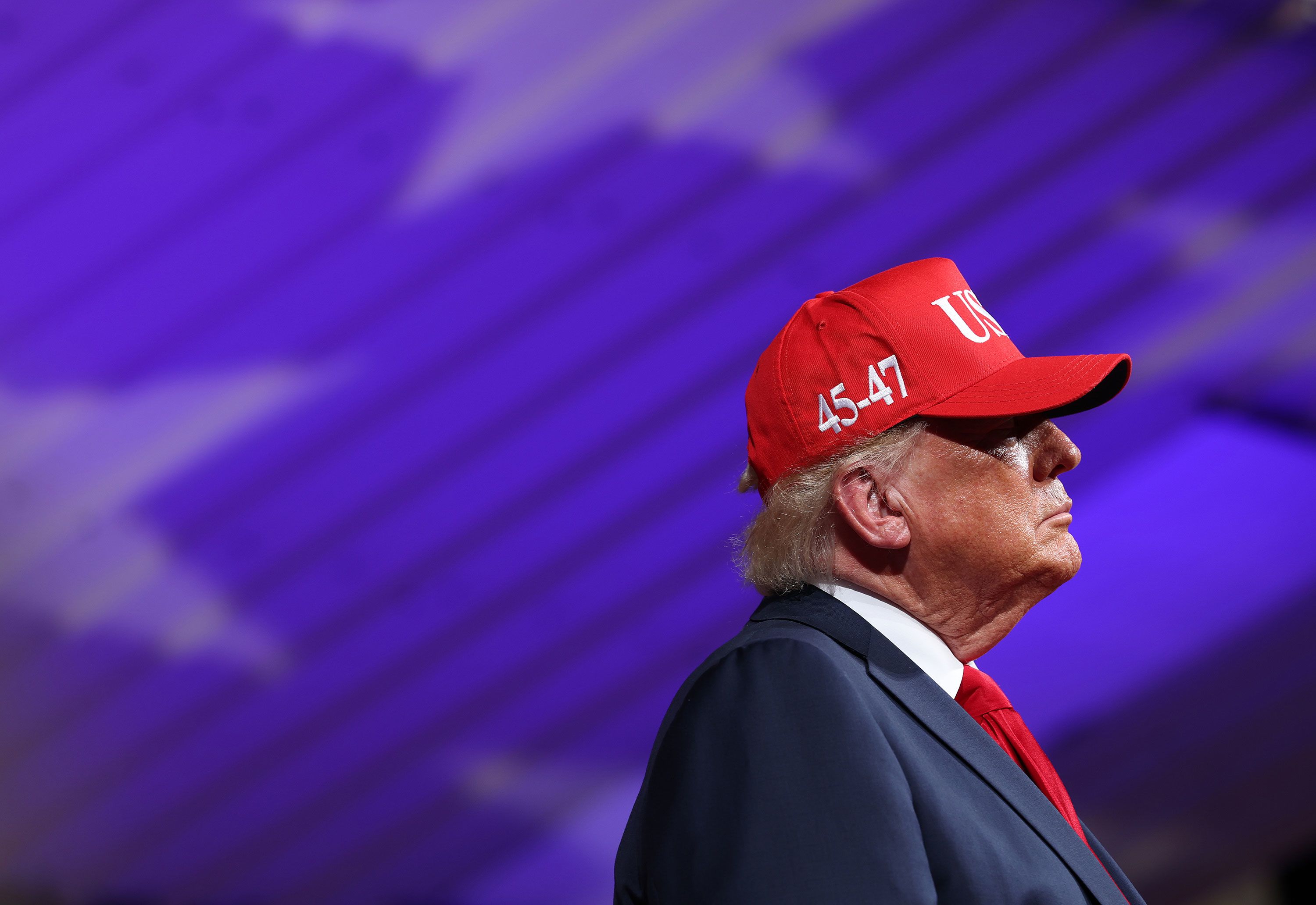
President Donald Trump is suddenly at odds with AI’s leading executives over the largely unchecked development of AI technology. And it may be because our economy can’t afford a slowdown. It might seem politically ill-advised, less than two months before the midterm elections to so forcefully stake out a position that’s out of step with the majority of Americans, who overwhelmingly oppose data centers being built near them and remain suspicious of AI’s use cases. But Trump’s pedal-to-the-metal approach suggests he may be more concerned about a bigger question: What happens to the US economy if the AI fever breaks on his watch? There are a lot of ways to slice the metrics on just how dependent the US economy has become on AI (and AI-adjacent) spending. ING estimates tech investments dominated by AI and data centers account for a third of year-over-year economic growth in 2026. Goldman Sachs’ chief equity strategist recently told CNBC that AI investment is driving half of all the profit growth in the S&P 500. Economists are careful to note how there’s always nuance in these calculations. AI bulls believe AI is the defining technology of our time, and that the stratospheric share prices it’s creating are just one of its many benefits. Any slowdown risks undoing those stock valuations, which would in turn ding household wealth and diminish corporate investment. And not only that, but its productivity gains bring stability to the American economy. But one thing is hard to dispute: Absent the AI frenzy, the economy would be in a much weaker position — possibly even in a recession. “If the music stops, and if it stops in a big, big way, it’s likely that we’re going to end up in stagnation or outright contraction over a period of at least a year,” Olu Sonola, US head of economic research at Fitch Ratings, told CNN. The icing on the cake, said Sonola, is the wealth effect. People with stock portfolios exposed to AI are feeling flush, and they’re spending lavishly — further helping prop up America’s consumer-centric economy. Whatever people’s personal beliefs about the technology, the money going into it is keeping the world’s biggest economy humming. If that money train stalls, the effects won’t be contained to tech investors on Wall Street. Last week, ratings agency Fitch ran a scenario imagining the economic outcome of an AI-related downturn, with US stock prices falling around 35% over six months — roughly the median decline of past financial busts. The result was that the economy would go into recession, with GDP contracting 1.5% next year. To be sure, there’s no guarantee – or even specific indication – that the music is stopping anytime soon, and Fitch noted that “a sharp decline in US equity prices is not our base case.” Still, plenty of investors and academics see a deeply interconnected system that’s vulnerable to smaller shocks. “We have this ecosystem that’s spun up around AI,” said John Sedunov, a finance professor at Villanova University. “There are a bunch of companies that are very reliant on each other. And when you break a link in a chain like that, then there’s bound to be fallout.” And that economic risk could come at a time when warning lights are already flashing. Bond markets are signaling growing concern over government debt loads, deficit spending and elevated inflation that could lead to a cycle of higher interest rates — a situation compounded by the war in Iran and investors piling into corporate debt to fund the AI buildout. “The equity price bubble risk is definitely a big one” to the global economy, Sonola said. “We’ve seen tariffs, we’ve seen the war. Another shoe is going to drop. We may just not know yet.” But there are still optimists who point out the potential upside is still vast. “What we’re seeing is very unusual, and so it does make sense that people are concerned about it,” said Jessica Wachter, a finance professor at the University of Pennsylvania’s Wharton School. But she doesn’t see the AI fervor turning into a spiral on the scale of 2008. “I actually think that (AI) is going to be a bit of a stabilizing force… generally promoting net job creation and growth. I am, you can tell, an optimist, though. I know others have other views.”
Topics in this story
Gathered from external sources. Rights to this text belong to whoever originally published it.