How Is Home Depot’s Stock Performance Compared to Other Consumer Discretionary Stocks
Home Depot has underperformed the broader consumer discretionary sector, although analysts remain cautiously optimistic about the stock’s outlook.
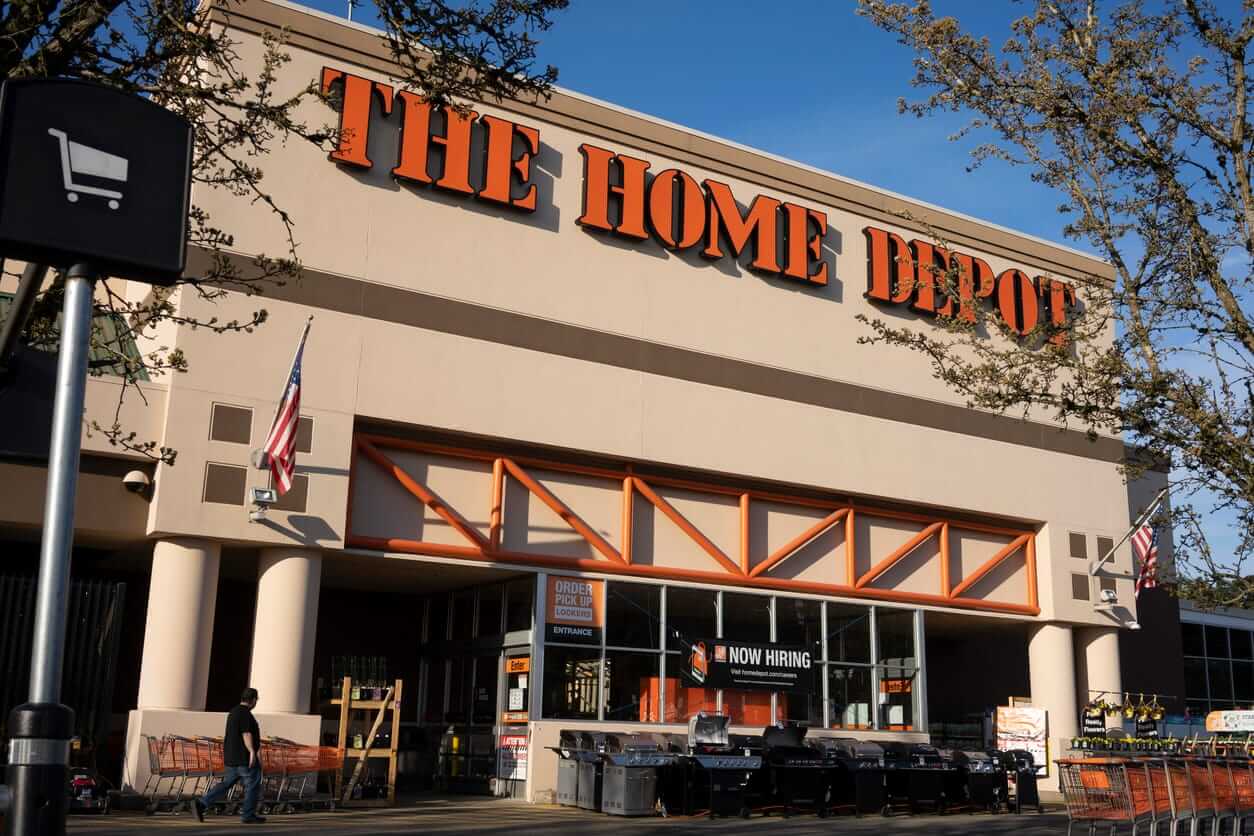
Atlanta, Georgia-based The Home Depot, Inc. (HD) is the world's largest home-improvement retailer, serving both do-it-yourself (DIY) homeowners and professional contractors. Valued at a market capitalization of $316.6 billion, the company operates stores across the U.S., Canada, and Mexico, offering a broad assortment of building materials, hardware, appliances, décor, lawn and garden products, and home-improvement services.
Companies with a market capitalization of $200 billion or more are typically referred to as "mega-cap stocks." HD fits right into that category. Home Depot combines a large physical-store footprint, strong brand recognition, scale, an extensive product assortment, and deep relationships with professional contractors, positioning it to benefit from long-term home-improvement spending, housing activity, and the ongoing need to maintain and renovate an aging U.S. housing stock.
However, the stock currently trades 25.6% below its 52-week high of $329.43 recorded on Sept. 17, 2025. HD has gained 2.8% over the past three months, notably underperforming the State Street Consumer Discretionary Select Sector SPDR ETF's (XLY) 4% rise during the same time frame.
The stock fell 4% over the past 52 weeks, underperforming XLY's marginal surge over the same period. In 2026, HD has dipped 19%, trailing the ETF's 1.8% fall.
HD has dipped below both its 200-day and 50-day moving averages recently.
On Aug. 18, Home Depot reported its FY2026 Q2 earnings and its shares popped 2% in the following trading session. Revenue rose 5.7% year over year to $47.86 billion, helped by the GMS acquisition, while comparable sales increased 1.7%, including a 1.3% increase in the U.S. The quarter showed that customers remained willing to spend on smaller repair and maintenance projects, even as affordability concerns weighed on larger renovations. Comparable customer transactions declined 1%, but the average ticket increased 2.8% to $92.50, driving the improvement in comparable sales. Online sales also remained strong, rising 11% year over year and accounting for 16.6% of total sales. Its adjusted EPS surged 5.1% to $4.92.
Topics in this story
Gathered from external sources. Rights to this text belong to whoever originally published it.