Why Japan’s markets matter so much for America
From surging bond yields to US intervention to support the yen, Japan’s financial markets are undergoing major shifts that have consequences for investors an...
From surging bond yields to US intervention to support the yen, Japan's financial markets are undergoing major shifts that have consequences for investors and borrowing costs around the globe.
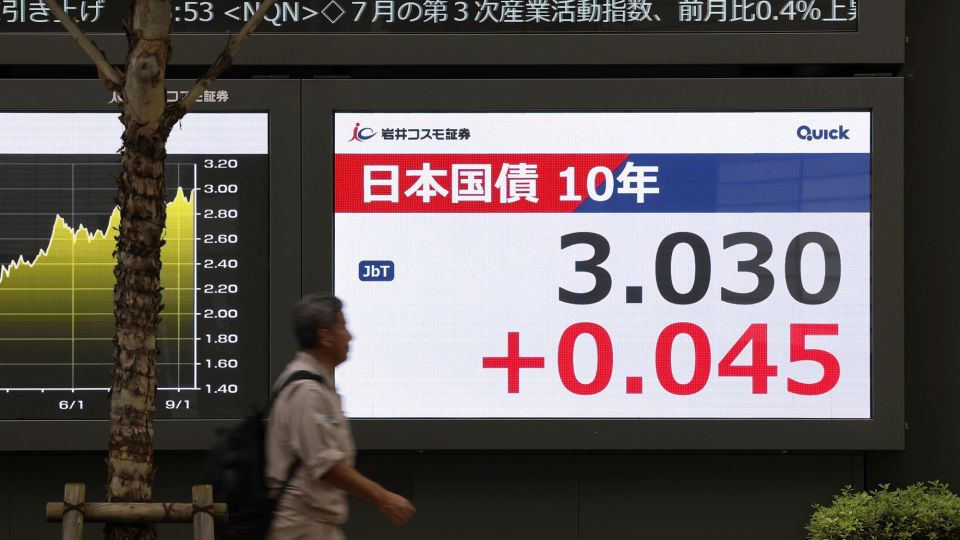
Bond yields in Japan have soared to their highest levels in three decades, boosted by inflation, the Bank of Japan raising interest rates and investors' concerns about the government's spending plans. Meanwhile, the yen continues to fluctuate after a historic joint intervention by Washington and Tokyo.
The moves in Japan's bonds and currency have reverberations across the global economy. Japan is the largest foreign holder of US Treasuries, making it a key player for how much money flows in or out of US bond markets .
US Treasury Secretary Scott Bessent has embarked on an extraordinary campaign this year to intervene in markets to support the yen. Analysts say Bessent's actions aim to prevent Japan from selling its dollar assets – like Treasuries – to boost the value of the yen. Further selling in Treasuries could push up US interest rates when there are concerns about affordability and a steady rise in yields.
The US and Japanese financial markets are becoming increasingly intertwined. And their relationship is back in focus this week as world leaders gather in New York City for the UN General Assembly. President Donald Trump and Japanese Prime Minister Sanae Takaichi are expected to meet Tuesday.
Here's what to know about recent changes in Japan's markets, and why there are ripple effects across US and global markets.
Stubborn inflation, higher central bank interest rates and nerves about government spending have driven borrowing costs higher across the globe. Japan has been among the hardest hit in the bond market sell-off.
Yields on 10-year government bonds in the United States, France, Germany and the United Kingdom have climbed to their highest levels in nearly 20 years. In Japan, the 10-year yield recently hit its highest level in 30 years.
The rise in yields is a sign that economies across the world are entering an era of higher interest rates — and exiting the era of ultra-low interest rates that became a defining feature of the global economy after the 2008 financial crisis.
The Bank of Japan — or BOJ — started raising interest rates in 2024, a major change after decades of ultra-low rates aimed at combating deflation. The BOJ hiked rates just last week in an effort to cool down inflation, its second increase this year.
Bond yields rise when prices fall. Bond prices have slumped in Japan, sending yields soaring, as investors adjust to persistent inflation and the BOJ raising rates.
Topics in this story
Gathered from external sources. Rights to this text belong to whoever originally published it.