Ray Dalio tripled his money at 12 on his first stock pick — then a bad call left him borrowing $4,000 from his dad
The billionaire investor learned the hard way that one winning trade doesn’t make you a great investor — and that knowing what you don’t know can literally b...
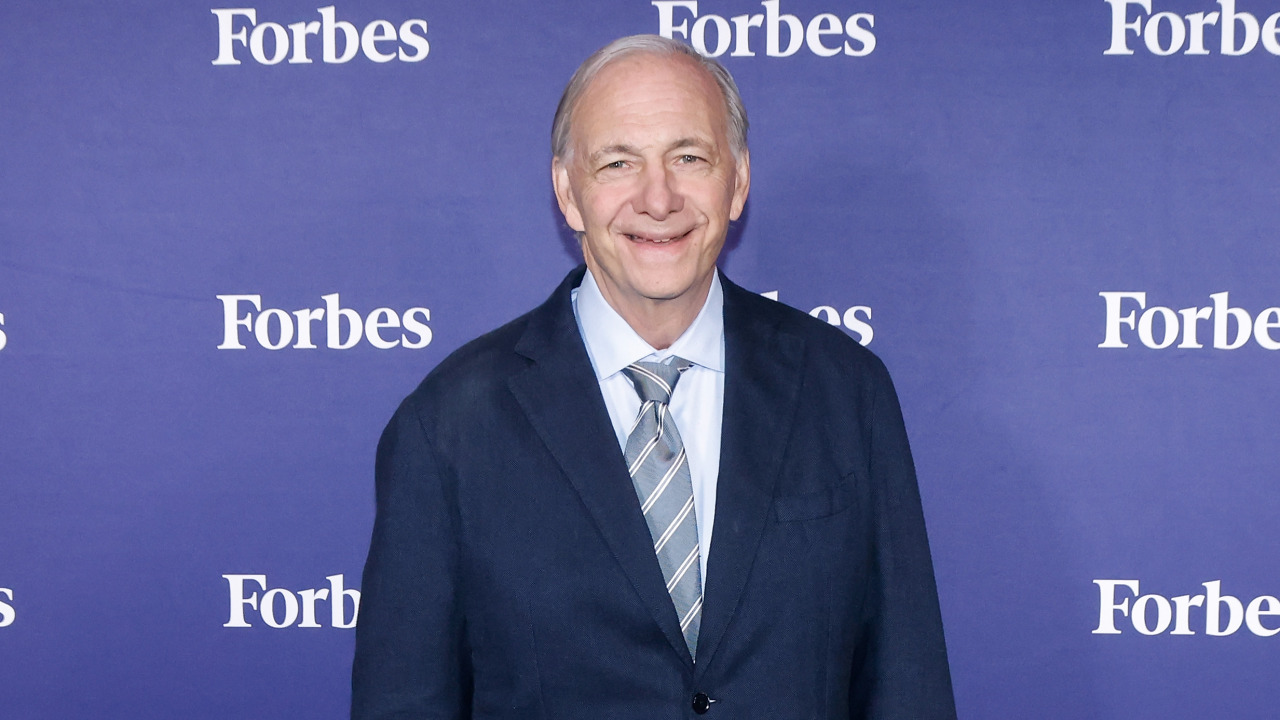
Before legendary investor Ray Dalio made billions as the founder of hedge fund giant Bridgewater Associates, he was a 12-year-old caddy at a local golf club in 1960s New York.
While the golfers there had no idea that they had a future financial titan carrying their clubs, they were, nevertheless, unknowingly setting Dalio on a course to build his own fortune.
Jeff Bezos backs a platform that lets anyone invest in rental homes for as little as $100 — 6 ways to build wealth like a landlord without actually being one
Dave Ramsey warns nearly 50% of Americans are making 1 big Social Security mistake. Here's what it is and 3 simple steps to fix it ASAP
The tax breaks in Trump's 'big beautiful bill' expire after 2028. Here are 4 moves to make before the window closes
"Everyone was talking about the stock market, because it was doing great and people were making money. So I took the money I made caddying and bought stocks," Dalio explained to Forbes. "The first stock I bought was in a company called Northeast Airlines; it was about to go broke but then another company bought it and it tripled."
Dalio noted in another interview that the formative experience got him "hooked on the markets, like one might get hooked on a video game."
That lucky stock stroke, however, almost set him up for failure down the line. Dalio wrote later that he figured that playing the stock market can't be that hard after that first score.
"Of course, it didn't take me long to lose money in the markets," he added, "and learn about how difficult it is to be right and the costs of being wrong."
A bad call nearly wiped Dalio out — but changed how he invested forever
Dalio's observation about the cost of being wrong is key. The SEC, for example, devotes an entire page of its website to things investors do wrong when they think they're being smart about stocks, including exercising familiarity bias, falling for market "manias and panics," and actively buying and selling too often instead of using a more reliable 'buy and hold' strategy.
In fact, a 2002 study found that "overconfidence can explain high trading levels and the resulting poor performance of individual investors."
Investor.gov, meanwhile, advises being an informed investor — a common sense approach but one that Dalio, at 12, hadn't yet learned.
Still, Dalio has an expression he favors: "Pain plus reflection equals progress." He believes in learning from mistakes and moving forward.
And perhaps that was never more evident in his own life than in 1982 when he made headlines , amidst an ongoing recession, for predicting that the U.S. was on the verge of another depression.
Topics in this story
Gathered from external sources. Rights to this text belong to whoever originally published it.