Trump wants your 401(k) in private equity — but 54% of the biggest 2025 bankruptcies were PE-backed companies
Private equity is struggling, but the White House still wants their stakes in retirement plans. Learn how bad private equity has become and why some fear the...
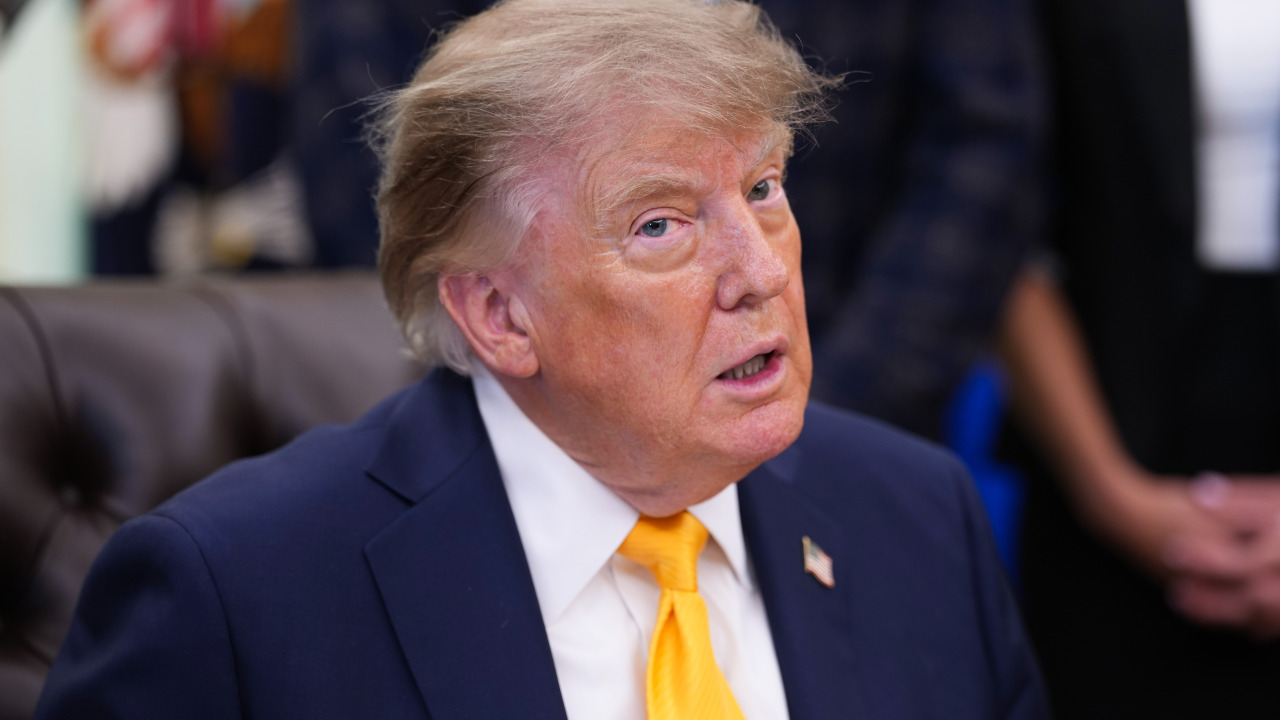
Private equity investments aren't looking pretty right now.
Data from PitchBook showed just how much this sector is struggling, with private equity firms currently clinging to 13,500 unsold companies, thousands of which The Wall Street Journal estimates have been in portfolios for six to nine years.
Jeff Bezos backs a platform that lets anyone invest in rental homes for as little as $100 — 6 ways to build wealth like a landlord without actually being one
Dave Ramsey warns nearly 50% of Americans are making 1 big Social Security mistake. Here's what it is and 3 simple steps to fix it ASAP
The tax breaks in Trump's 'big beautiful bill' expire after 2028. Here are 4 moves to make before the window closes
In a persistently high-interest-rate environment, more market observers fear the worst for these debt-saddled businesses. Matt Parr, communications director at the nonprofit Private Equity Stakeholder Project (PESP) , explained to Moneywise that "Large private equity-driven debt loads can leave companies more vulnerable to financial distress, closures, and layoffs."
Findings in PESP's Private Equity Bankruptcy Tracker revealed just how much of a mess this sector is currently in. Of the biggest U.S. bankruptcy filings in 2025 (all with at least $1 billion in liabilities), 54% were private equity companies. Private equity firms were also in 51% of U.S. corporate bankruptcies with liabilities over $500 million.
In total, PESP noted that private equity firms took up 10% of 2025's corporate bankruptcies, even though they only make up about 7% of the U.S. economy.
Despite these alarming figures, President Trump is pushing for more access to private equity in retirement portfolios. In 2025, the White House issued Executive Order 14330 , which focused on broadening the range of allowable investments in 401(k)s.
Alongside crypto and commodities, this order explicitly allowed for "private market investments, including direct and indirect interests in equity, debt, or other financial instruments that are not traded on public exchanges, including those where the managers of such investments, if applicable, seek to take an active role in the management of such companies."
More recently, the U.S. Department of Labor proposed a rule to make these alternative investments a reality for "more than 90 million Americans." U.S. Secretary of Labor Lori Chavez-DeRemer touted the potential of these opportunities, arguing, "This greater diversity will drive innovation and result in a major win for American workers, retirees, and their families."
Topics in this story
Gathered from external sources. Rights to this text belong to whoever originally published it.