Stock Market Investors (and the Federal Reserve) Just Got Bad News from Treasury Secretary Scott Bessent
Treasury Secretary Bessent's decision to expand the Treasury Department's bond buyback program makes interest rate increases a little more likely.
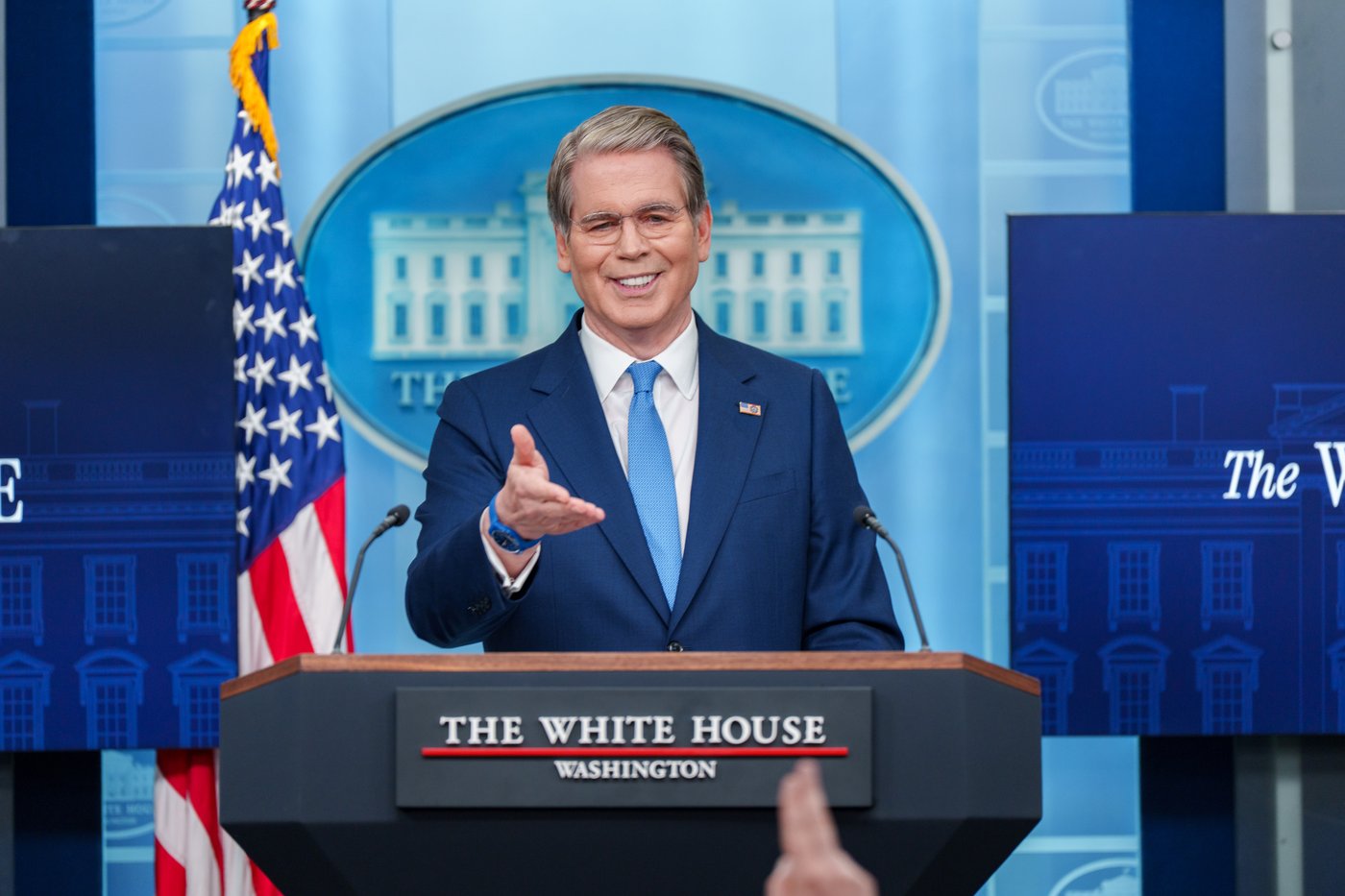
The U.S. stock market has rocketed higher in 2026 amid impressive corporate financial results, especially from artificial intelligence infrastructure companies in the technology sector. The S&P 500 (SNPINDEX: ^GSPC) and the Nasdaq Composite (NASDAQINDEX: ^IXIC) have advanced 12% and 13%, respectively, year to date.
However, stock market investors recently got worrisome news from Treasury Secretary Scott Bessent. In response to elevated yields, he announced a more robust bond buyback program that could contribute to inflation, potentially pushing the Federal Reserve toward interest rate increases. And new rate-increase cycles have often led to market corrections in the past.
Missed Nvidia in 2009? This Rare Signal Is Flashing Again. In 2009, a "Double Down" signal flashed for a little-known chipmaker called Nvidia. For the first time in years, that same "Total Conviction" signal is flashing for a company 1/100th the size of Nvidia. Continue »
Treasury Secretary Scott Bessent doubled the cash available for bond buybacks per weekly operation
Several factors have recently driven Treasury bond yields higher at the long end of the yield curve, meaning bonds with maturities ranging from 10 years to 30 years. In fact, the yield on the 30-year Treasury was 5.31% when the market closed on Aug. 17, the highest level since June 2007 . Three factors contributing to soaring yields are as follows:
First, Treasury bond issuance is expected to increase in the future because the U.S. government will need more cash to cover persistent deficit spending and interest payments on outstanding debt. Investors concerned by that possibility have been selling Treasury bonds.
Second, Treasury bond demand has decreased because of a recent increase in corporate bond issuance. More companies have turned to debt markets to fund investments in artificial intelligence infrastructure. Diminished demand means Treasury bonds are fetching lower prices than they otherwise would have.
Third, inflation has run hotter than the Federal Reserve's target for more than five years, but Chair Kevin Warsh has promised to restore price stability. That hints at interest rate increases, and investors expecting higher rates on Treasury bonds in the future are selling Treasury bonds today.
The U.S. Treasury Department routinely buys back older government bonds from investors before they reach maturity. Initially, the department said it would purchase up to $2 billion in bonds per weekly operation from Sept. 9 through Nov. 4. However, Bessent last week raised that total to "at least $4 billion per operation."
Topics in this story
Gathered from external sources. Rights to this text belong to whoever originally published it.