Mark Cuban says 'I've gotten beat' after investing $20M in 85 Shark Tank startups. What you can learn from his mistakes
There was already blood in the water.
Moneywise and Yahoo Finance LLC may earn commission or revenue through links in the content below.
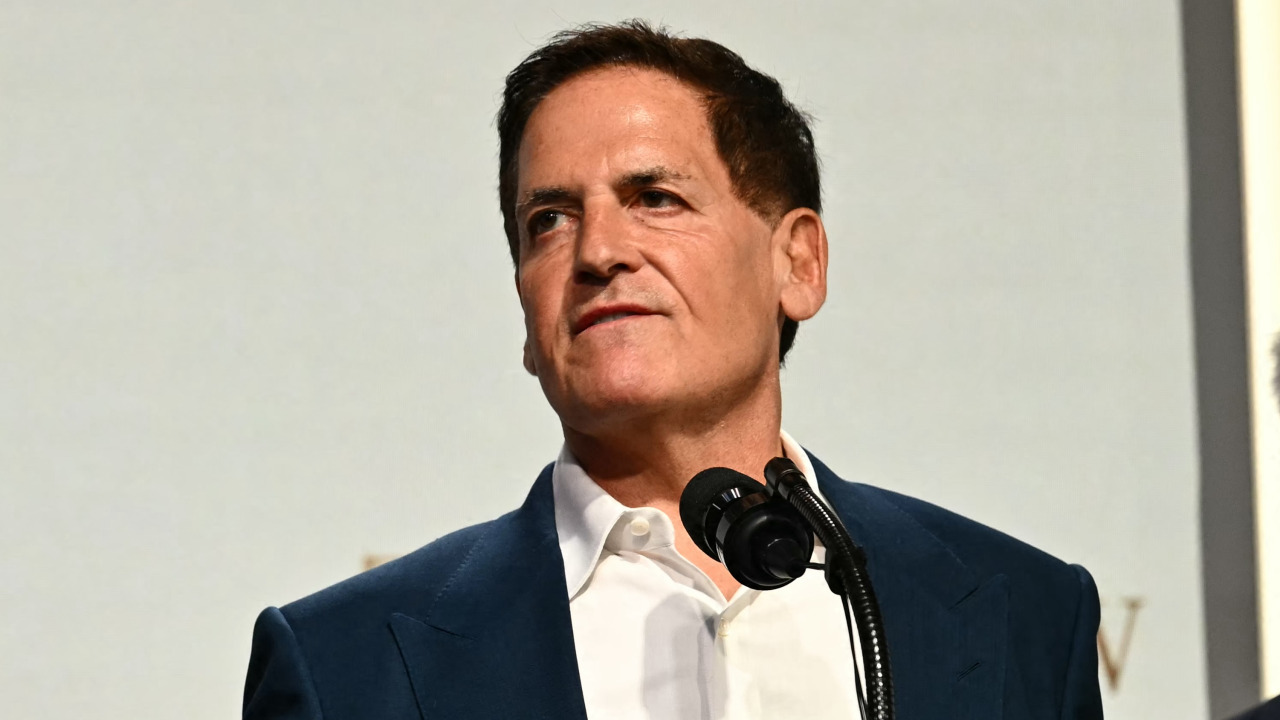
Mark Cuban has made billions by betting on businesses. But even he admits that picking winners isn't easy.
During his 16 seasons on ABC's Shark Tank , Cuban invested roughly $33 million across at least 85 companies pitched on the show. And for years, the results weren't particularly encouraging.
Jeff Bezos backs a platform that lets anyone invest in rental homes for as little as $100 — 6 ways to build wealth like a landlord without actually being one
A record 45% of central banks plan to grow gold reserves — and many investors are following suit. Get your free gold IRA guide from Priority Gold
A single line on your car insurance policy could be inflating your premium by up to 30% — here's what to change
"I've gotten beat," Cuban told the Full Send Podcast in 2022 (1), saying at the time that his Shark Tank investments had produced a net loss on a cash basis.
After Cuban's final Shark Tank episode aired in 2025, he told CNBC that he had invested "about $33 million" and received as much as $35 million in cash returns from his investments on the show (2).
Then there were the companies he still owned stakes in.
Cuban estimated the mark-to-market value of his remaining Shark Tank equity to be at "at least $250 million." That figure represents the estimated "fair value" of his ownership stakes rather than money he has actually collected — and those valuations could rise or fall before he sells.
Still, it's a remarkable turnaround from the losses Cuban described just a few years earlier.
It also illustrates something important about investing in young companies: The outcome of a bet may take years to become clear, and even a billionaire with extensive business experience can back plenty of companies that don't work out.
Picking the next big company is difficult
The deals made on Shark Tank generally resemble angel or startup investing, where investors put money into relatively young businesses in exchange for an ownership stake, hoping some will eventually become much more valuable.
The potential payoff can be enormous. So can the risk.
While the often-repeated claim that 90% of startups fail is difficult to substantiate, Shikhar Ghosh, a senior lecturer at the Harvard Business School, found that roughly 70% to 80% of venture-backed companies don't provide investors with the projected return on investment (3).
Of course, Cuban had something most ordinary investors don't: enough wealth to spread millions of dollars across dozens of companies and withstand the investments that failed.
Topics in this story
Gathered from external sources. Rights to this text belong to whoever originally published it.