Intel Just Hit a Key Milestone in Its Foundry Comeback
Intel and ASML have processed more than 1 million wafers using High-NA EUV
Intel Corp. ( INTC , Financials ) has spent years trying to prove it can manufacture advanced chips competitively again. High-NA EUV is becoming part of that argument.
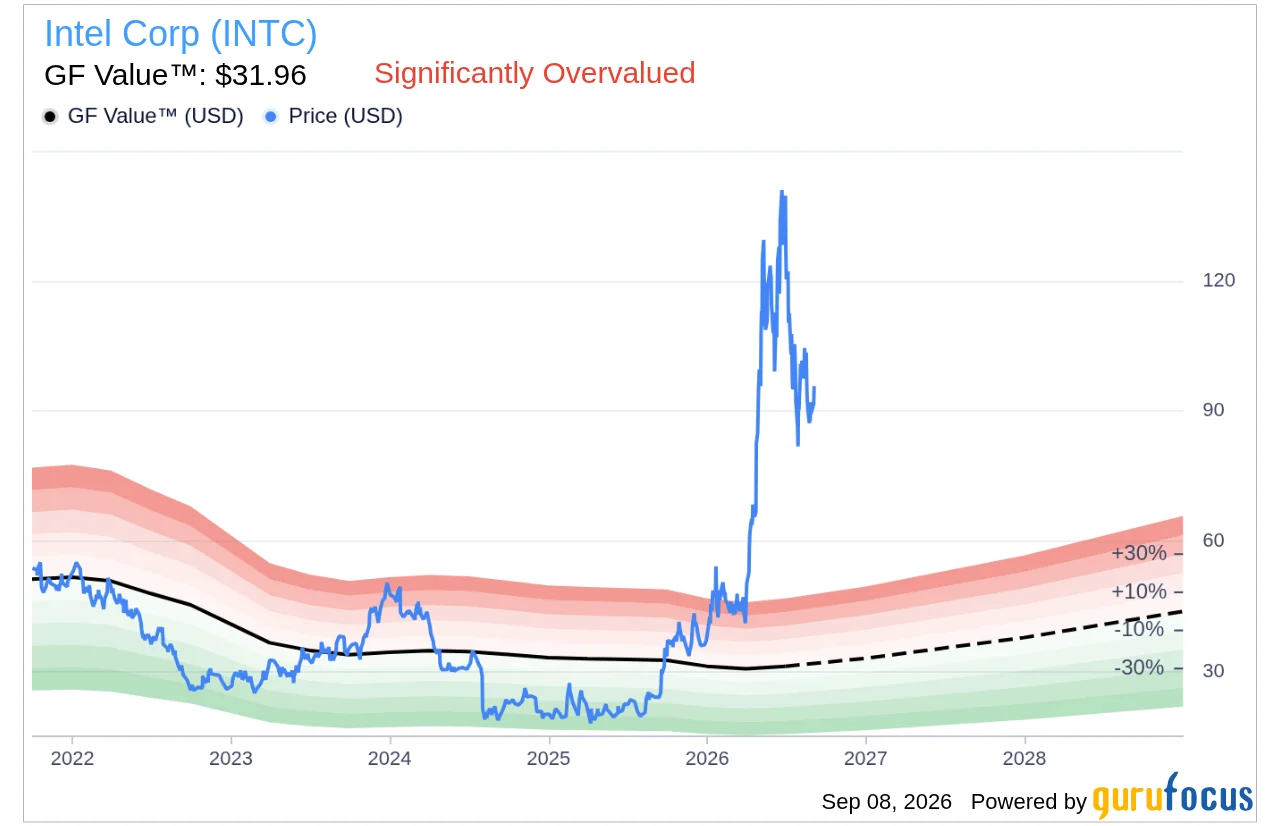
Intel shares rose more than 4% in Tuesday premarket trading after gaining more than 4% in the previous session, as investors focused on progress between Intel Foundry and ASML.
The companies have now processed more than 1 million wafers using High-NA EUV across testing, development and production work. More importantly, the technology is no longer confined to the lab.
Intel is using High-NA EUV on selected layers of its 18A process for Panther Lake processors. ASML said in July that Intel had begun high-volume manufacturing of certain Panther Lake products using the technology.
That matters because Intel's turnaround depends on more than designing better chips.
It also needs to convince outside customers that Intel Foundry can reliably manufacture advanced processors at scale. High-NA EUV gives Intel an early lead with one of the semiconductor industry's most advanced production tools.
There is still plenty to prove. TSMC remains the manufacturing benchmark, and Intel needs stronger foundry revenue, better utilization and more outside customers before the turnaround is complete.
But processing more than 1 million wafers gives investors something Intel badly needs right now: evidence that its manufacturing strategy is moving beyond promises.
The next major test will be whether Intel can turn that technical progress into customer wins and stronger economics for its foundry business.
Topics in this story
Gathered from external sources. Rights to this text belong to whoever originally published it.