Stock Market Investors Just Got Bad News About President Trump's Economy. History Says This Could Happen Next.
Persistent inflation tied to the Iran war has made further interest rate hikes more likely.
The S&P 500 (SNPINDEX:^GSPC) and Nasdaq Composite (NASDAQINDEX:^IXIC) have added 12% in 2026 despite a number of economic headwinds. That puts both indexes on pace for their fourth consecutive year of double-digit gains for the first time since the late 1990s.
However, investors recently got bad news about the economy. Inflation accelerated in September, as President Trump's decision to take military action against Iran continued to pressure energy prices. The Federal Reserve has already raised interest rates once, and further rate hikes are now more likely.
Missed Nvidia in 2009? This Rare Signal Is Flashing Again. In 2009, a "Double Down" signal flashed for a little-known chipmaker called Nvidia. For the first time in years, that same "Total Conviction" signal is flashing for a company 1/100th the size of Nvidia. Continue »
Higher interest rates threaten the stock market in two ways. They make bonds look more attractive relative to stocks, potentially drawing capital away from equities. They also raise borrowing costs for businesses, creating a direct headwind to corporate profit growth.
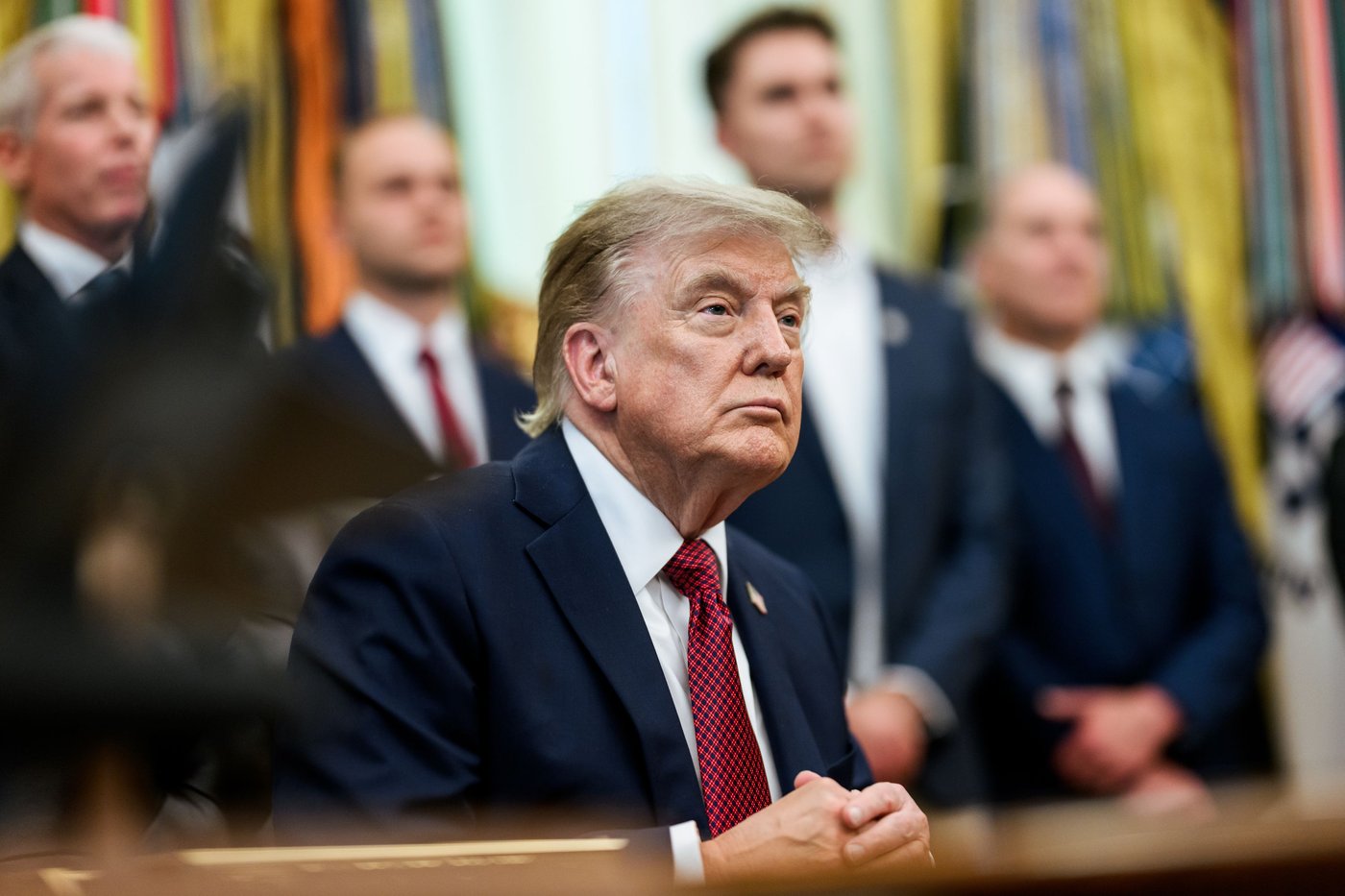
President Donald J. Trump sits with hands clasped, surrounded by government officials in the Oval Office. Image source: Official White House Photo.
Accelerating inflation makes further interest rate hikes more likely
Inflation accelerated in September as the Iran war continued to disrupt global oil supplies. The Consumer Price Index (CPI) increased 3.7%, the highest reading since May, topping the consensus estimate of 3.6%, according to the Bureau of Labor Statistics.
Perhaps more concerning, core CPI increased 2.6% in September, the highest level since June. Core CPI measures underlying inflation by excluding volatile food and energy prices. The acceleration suggests that elevated energy prices are bleeding into other areas of the economy by raising manufacturing and transportation costs.
Federal Reserve Chairman Kevin Warsh has vowed on multiple occasions to restore price stability by returning inflation to its 2% target, a level last seen more than five years ago. The Federal Open Market Committee (FOMC) raised its benchmark interest rate by a quarter percentage point in September, and the latest inflation data makes further rate hikes more likely.
History says the stock market is headed for correction territory
Indeed, CME Group 's FedWatch tool shows the most likely outcome is a second quarter-point rate hike at the December meeting, followed by a third quarter-point rate hike at the March meeting. That would bring the target range on the federal funds rate to 4.25% to 4.5%, a level last seen in August 2025.
Topics in this story
Gathered from external sources. Rights to this text belong to whoever originally published it.