10-year Treasury yields hit 24-year high
The yield on the 10-year U.S. Treasury bond hit a 24-year high during Thursday trading, forecasting higher borrowing costs for Americans. The 10-year bond yield topped 5.34 percent early Thursday morning, the note’s highest mark since April 2002. That month, the yield reached a closing peak of 5.48 percent. The note has since decreased to…
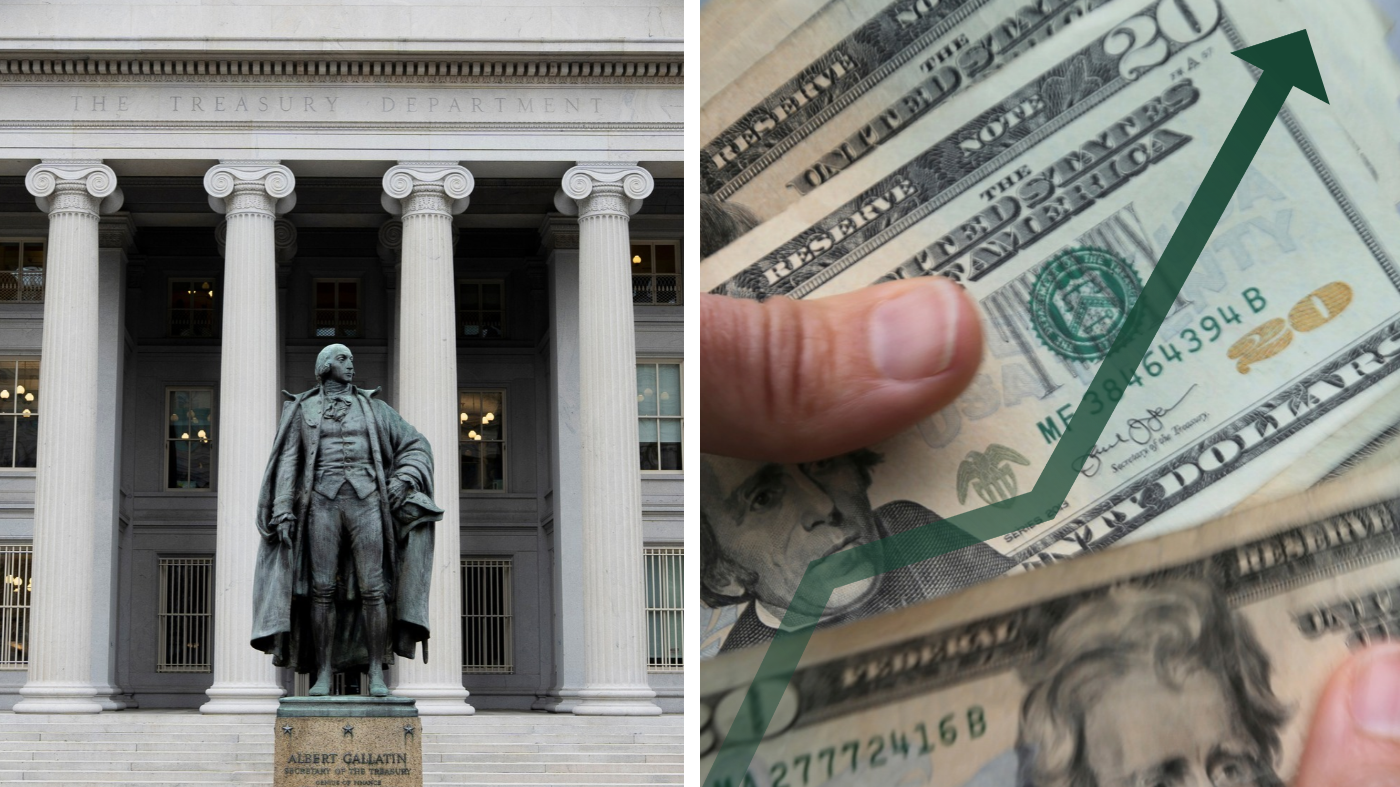
The yield on the 10-year U.S. Treasury bond hit a 24-year high during Thursday trading, forecasting higher borrowing costs for Americans.
The 10-year bond yield topped 5.34 percent early Thursday morning, the note’s highest mark since April 2002. That month, the yield reached a closing peak of 5.48 percent.
The note has since decreased to roughly 5.32 percent as of midmorning Thursday but remains up by about 3 basis points relative to closing time Wednesday.
The 10-year bond yield has continued to spike over the last seven months, after closing at 3.96 percent on Feb. 27 — the day before the U.S. and Israel launched the war with Iran.
The Middle East conflict has led to increased energy prices due to Iran’s restrictions on shipping in the Strait of Hormuz, fueling a rise in inflation in the U.S.
Annual inflation, as measured by the personal consumption expenditures price index, was 3.4 percent in August , the Bureau of Economic Analysis reported Wednesday .
The national average price of a gallon of regular gas is roughly $4.41 as of Thursday, which is about $1.43 higher than two days before the conflict began, according to data from AAA.
Rising government debt has also contributed to bond yields increasing globally. The U.S. national debt , which exceeded $40 trillion in August, is roughly $40.1 trillion .
The yield on the 30-year Treasury bond , which pays a higher interest rate than shorter-term securities, has also increased so far Thursday.
As of midmorning, the note is up roughly 3 basis points from Wednesday closing, trading at about 5.67 percent. That also marks the highest point for the note since April 2002.
Rising bond yields are also attributable to rising demand for artificial intelligence data centers and models, which Federal Reserve officials have cited as putting upward pressure on prices.
“Data center investment relies on inputs, like construction labor and energy, that are broadly used in many sectors in the economy,” Fed board member Lisa Cook said Monday at a technology conference in Oakland, Calif. “As a result, increased AI investment could introduce price pressure to those other sectors.”
The sell-off in the American bond market is leading to increased borrowing costs, including for home loans .
The average 30-year mortgage rate was 7.03 percent last week, surpassing 7 percent for the first time since January 2025, according to data from Freddie Mac.
Topics in this story
Gathered from external sources. Rights to this text belong to whoever originally published it.