Some homeowners have been waiting years for mortgage relief. It keeps slipping away
Homebuyers who took out mortgages in the past few years may have expected rates to fall by now to refinance. Instead, mortgage rates are climbing higher agai...
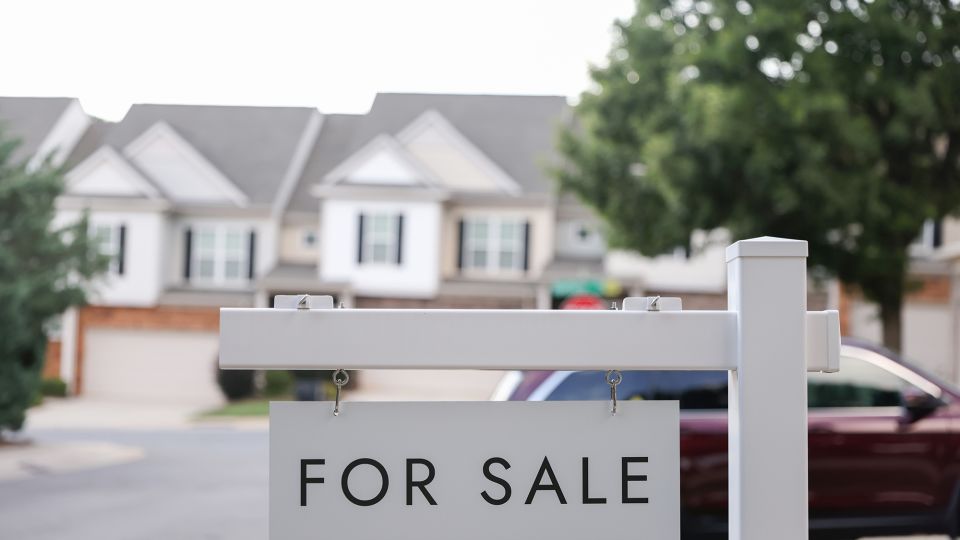
When Patrice De La Ossa's son was accepted to her alma mater, the University of Arizona, she wanted to give him something she hadn't had herself: a college degree without student loans. So, she sold her home in Phoenix and moved to Tucson with him, closer to campus, to save on his room and board.
The move meant giving up a 2.25% mortgage for a 6.8% loan. But De La Ossa figured it was temporary. Rates would fall soon enough, she thought, and she could refinance into a monthly payment closer to what she had before.
More than four years later, her son has graduated. De La Ossa is still paying 6.8%.
She's not alone. In the early years of the pandemic, mortgage rates fell below 3% and many homeowners refinanced their loans to lower their monthly payments. But late last year, for the first time since the pandemic, more homeowners have a mortgage rate above 6% than one below 3%, according to a Redfin analysis of FHFA data.
The average 30-year fixed mortgage rate, the most popular type of home loan in the US, has largely hovered above 6% for four years – even above 7% at times. Homebuyers who took out mortgages during that stretch may have expected rates to fall enough by now to refinance into cheaper loans. Instead, the relief they were counting on has remained out of reach.
De La Ossa, who works for an education company, pays nearly $900 more per month for this mortgage than she did for her Phoenix home, even though the two loans are almost identical.
The difference between a 3% mortgage rate and a 6% mortgage rate equates to hundreds of thousands of dollars in interest payments over the life of a mortgage loan – in addition to the principal amount borrowed.
She is frustrated by how much of her monthly payment goes toward interest, especially as she continues to pay off her PhD student loans. If mortgage rates don't fall enough for her to refinance soon, De La Ossa said she may have to consider moving.
"That's $900 every month I'm not putting away toward my son one day having a home, I'm not even able to take a vacation anymore. Now I work a second job just so I can make it. And that company is making $900 more in interest," she said of her mortgage brokerage.
There was a brief window of hope this year. Mortgage rates, which tend to track the 10-year Treasury yield, drifted lower as inflation appeared to be moving back toward the Federal Reserve's 2% target. For homeowners waiting to refinance, it looked like the break they had been waiting for.
Then the US and Israel launched joint strikes on Iran, and rates reversed course.
Topics in this story
Gathered from external sources. Rights to this text belong to whoever originally published it.