Weight-loss drugs fuel protein boom, but with more consumer scrutiny
By Waylon Cunningham and Nicholas P. Brown Oct 23 (Reuters) - Protein-infused bottled water. Ice cream. Boxed macaroni and cheese. Even vodka.
By Waylon Cunningham and Nicholas P. Brown
Oct 23 (Reuters) - Protein-infused bottled water. Ice cream. Boxed macaroni and cheese. Even vodka.
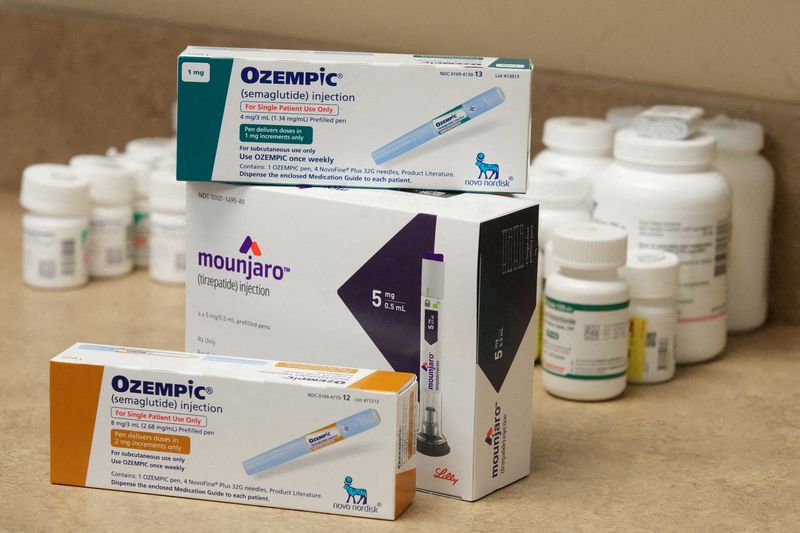
The rise of weight-loss drugs is driving a boom in protein-based products, as users of GLP-1 medication like Novo Nordisk's Ozempic and Eli Lilly's Mounjaro look for ways to counter the muscle loss those drugs can cause. GLP-1 users say they will spend 11% more on high-protein foods than before starting the drugs, according to an August survey from Boston Consulting Group.
Even as consumers seek out new sources of protein for their diets, they are becoming more skeptical of foods advertised as high-protein, Reuters interviews with consumers and company executives found. Some shoppers question whether products contain as much protein as advertising implies, while blanching at those that pack in so many additives or sugar that they undercut the health pitch.
A report from marketing research firm NielsenIQ earlier this year said the snack industry has entered its "accountability era," noting that 25% of its survey respondents this year said they are using scanning apps to check the nutritional value of products, up from around 17% last year.
"Protein is no longer a differentiator," said Chris Costagli, a lead marketing researcher at NielsenIQ, who co-wrote the report.
Megan Gisela Bautista, a nonprofit employee in Maryland who does strength training, was recently disappointed by the protein content of a chicken jerky snack that touted high protein in a large, colorful font.
"I'd have to eat five of them," Bautista said. "That's bad for you."
Zack Spears of Dallas said he is checking nutritional labels regularly, and now watches YouTube videos from an online content creator who reviews protein-marketed products.
"As this protein craze pops off, and things are getting more expensive, I want to be sure what I'm putting in my body is healthy," Spears said.
Some brands acknowledge the growing consumer scrutiny.
"Protein is here to stay, but the conversation must evolve," said Susan Zaripheh, North America chief research officer for yogurt maker Danone, in a statement to Reuters. "Consumers are starting to look 'beyond the gram,' becoming more informed in the nuances of protein source and nutrient density."
Over the summer, the French food company filed a false advertising lawsuit against rival yogurt maker Chobani, accusing it of inflating its protein claims on labels by using non-standard serving sizes. Chobani has disputed those claims, telling Reuters in a statement that its labeling is accurate and transparent.
Topics in this story
Gathered from external sources. Rights to this text belong to whoever originally published it.