At its New York design studio, Walmart bets on affordable, trendy clothes
Walmart's investment in private-label brands comes as many consumers, feeling the pressure from rising living costs, carefully weigh discretionary purchases.
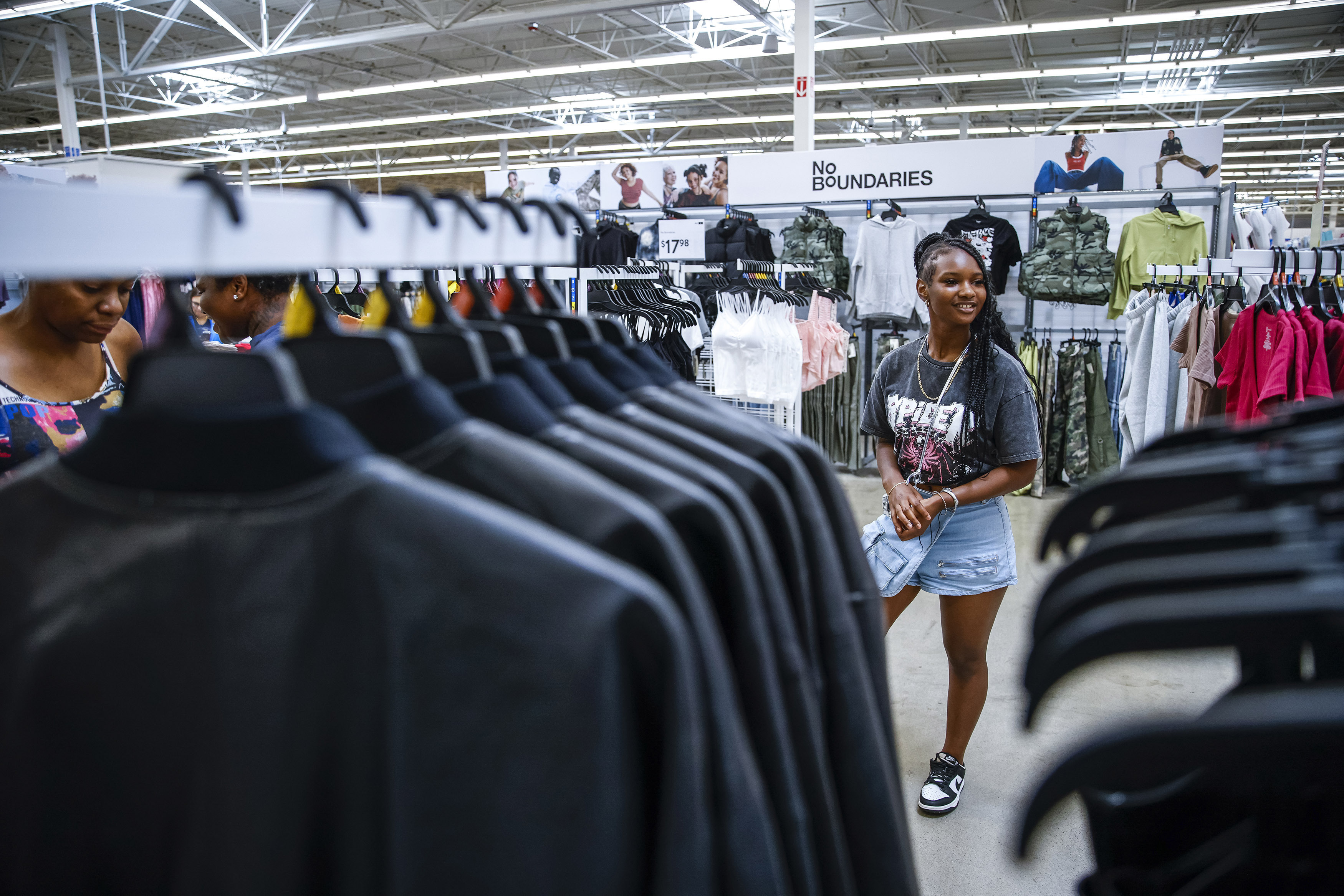
NEW YORK — On the fifth floor of an unassuming building in Manhattan, Walmart's New York City fashion office buzzes with activity as the low-cost retailer pushes for recognition in one of the style capitals of the world.
The minimalist office, formerly occupied by menswear brand Bonobos, is where Walmart ( WMT ) designs apparel for its private-label brands Scoop, Free Assembly, and Scenario as part of a bet to attract the deeper wallets of higher-income customers.
There, roughly 160 Walmart employees across brand, design, fit, and style teams work to create $60 cashmere sweaters and other trendy items that the company hopes inspire people to ask, "That's from Walmart?!"
"We made a real intentional choice to say that we wanted to move forward even more in our fashion," Walmart US executive vice president and chief merchandising officer Julie Barber told Yahoo Finance. "The majority of our team sits in Bentonville. They're doing the buying, but we needed a select group of people here in New York closer to some of the trends and things that were happening."
The investment in private-label brands comes as many consumers, feeling the pressure from rising living costs, carefully weigh discretionary purchases . At the same time, Walmart competitors Amazon ( AMZN ) and Costco ( COST ) have carved out a space in the apparel market.
"I do think that Amazon and Costco have, in a way, paved the way for someone like Walmart to see a vision where customers can be thinking about buying apparel kind of from the same place that they're buying ketchup and laundry detergent," David Silverman, senior director at Fitch Ratings, told Yahoo Finance.
Slowing sales present yet another reason for Walmart to become a one-stop shop for design and essentials. In the second quarter, the company posted its slowest US same-store sales growth since Q4 of 2020, at 2.6%.
Grocery still accounts for the majority of Walmart's US sales; however, general merchandise, including apparel, represents a growing part of the business, and the percentage of sales coming from private-label brands increased by 1.3 percentage points year over year.
"There is … an opportunity to cover more higher-income shoppers who recently came in for grocery to cross the aisle to fashion," said Neil Saunders, managing director of GlobalData.
From grocery staples to New York Fashion Week
Walmart has been quietly building out its fashion strategy for years with the goal of getting shoppers, especially the high-income shoppers it gained in recent years, to spend more.
Topics in this story
Gathered from external sources. Rights to this text belong to whoever originally published it.