Trump's Canada auto tariffs could end up denting US GDP: Oxford Economics
President Trump's threatened 50% tariffs on Canadian autos, trucks, and car parts and ensuing trade war could hit an already weakened US economy, warns a new...
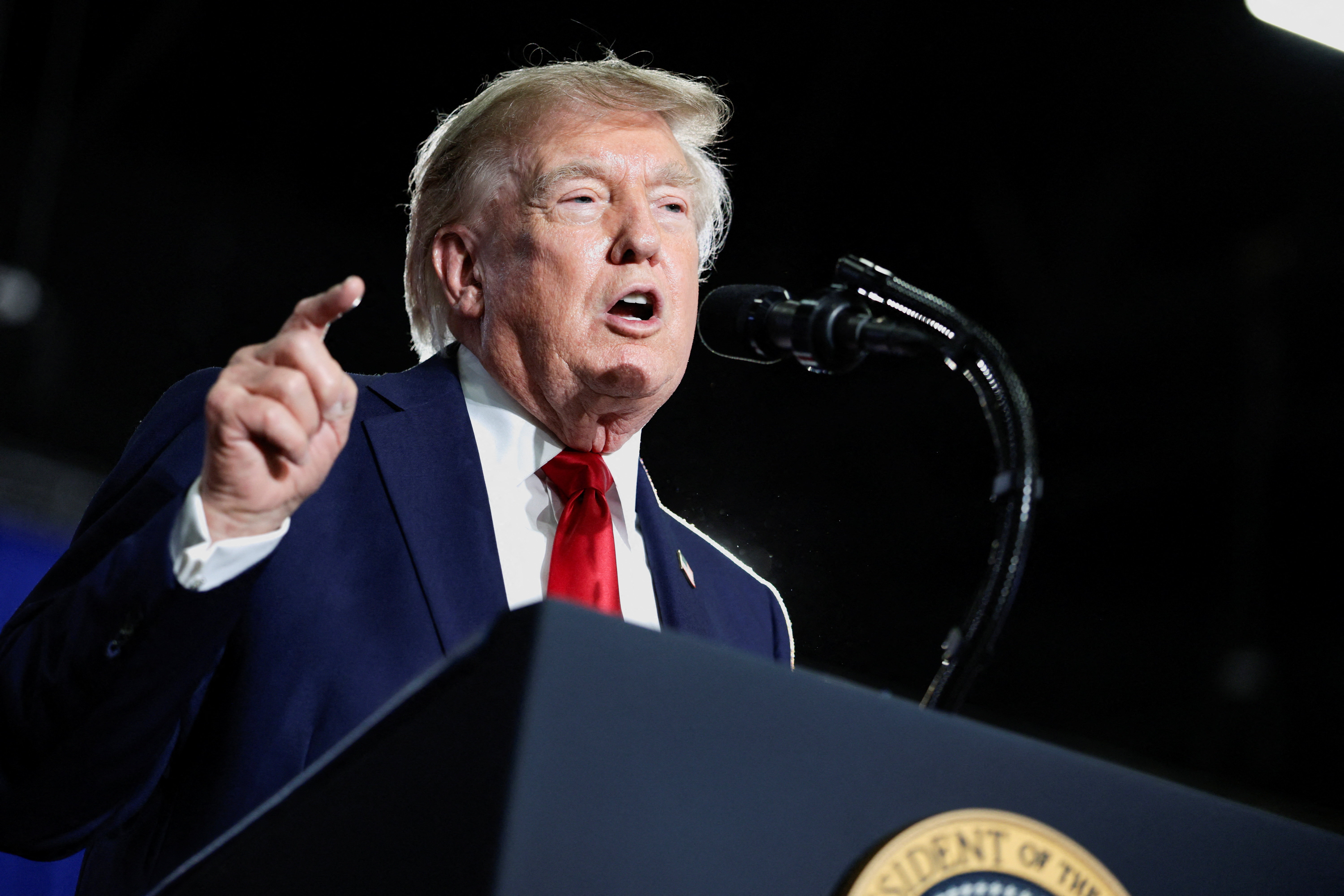
President Trump's threatened 50% tariffs on Canadian autos, trucks, and car parts and the ensuing trade war could hit an already weakened US economy, warns a new report from Oxford Economics.
Oxford Economics said it will revise its US tariff assumptions higher in its September baseline forecast to reflect a breakdown in US-Canada trade talks over the weekend. The 50% Section 338 tariffs unveiled in July on select Canadian goods have come into effect , nudging the overall US effective tariff rate up 0.2 percentage points to 9.9%.
In addition, Trump has threatened to slap 50% duties on Canadian vehicles and parts starting Jan. 1, 2027, a move that could push the overall US effective tariff rate to either 10.1% or 10.4%, depending on whether exemptions for USMCA compliance are granted.
Canada vowed to match the duties "dollar for dollar" and just announced tariffs as high as 50% on hundreds of American products . This tit-for-tat escalation alone is poised to trim 0.1 percentage point off US GDP growth next year, the firm said.
"The impact of the Canadian auto tariffs on the US economy would be a rounding error, but this doesn't account for any retaliation by Canada, which would amplify the drag on US growth," Oxford's US economist Bernard Yaros wrote in the report.
Yaros added that the auto duties would disproportionately hurt Midwestern states with large auto sectors that lean on Canadian-made components, mainly Michigan, Ohio, and Indiana. Michigan alone accounts for approximately 22% of US imports of intermediate automotive goods from Canada.
For now, car buyers have largely been spared the tariff expense. New-vehicle prices are only about 0.4% higher than their pre-tariff trend, Oxford Economics estimates, as automakers and dealers absorbed most of the earlier tariff costs.
Had those costs fully passed through, auto prices today would be nearly 5% above their pre-tariff baseline, with core goods inflation running 0.4 percentage points higher and core inflation up 0.1 point.
While automaker profit margins took a sharp hit starting in the second quarter of 2025, refunds from the Supreme Court's invalidation of Trump's broad tariffs led to GM ( GM ) and Ford ( F ) boosting their 2026 profit outlooks.
But further tariff pain will reverse those effects. Honda said on Tuesday that it will reconsider US investment in a new plant if a proper USMCA deal is not ratified.
"If the US imposes 50% tariffs on Canadian autos, the inflationary fallout is unlikely to be benign," Yaros noted, warning that thinning margins could push more costs on to consumers and drive buyers toward the used car market.
Topics in this story
Gathered from external sources. Rights to this text belong to whoever originally published it.