Kevin Warsh's Fed strategy risks 'unproductive volatility' in markets: Jan Hatzius
Goldman Sachs chief economist Jan Hatzius keeps it real on the Fed.
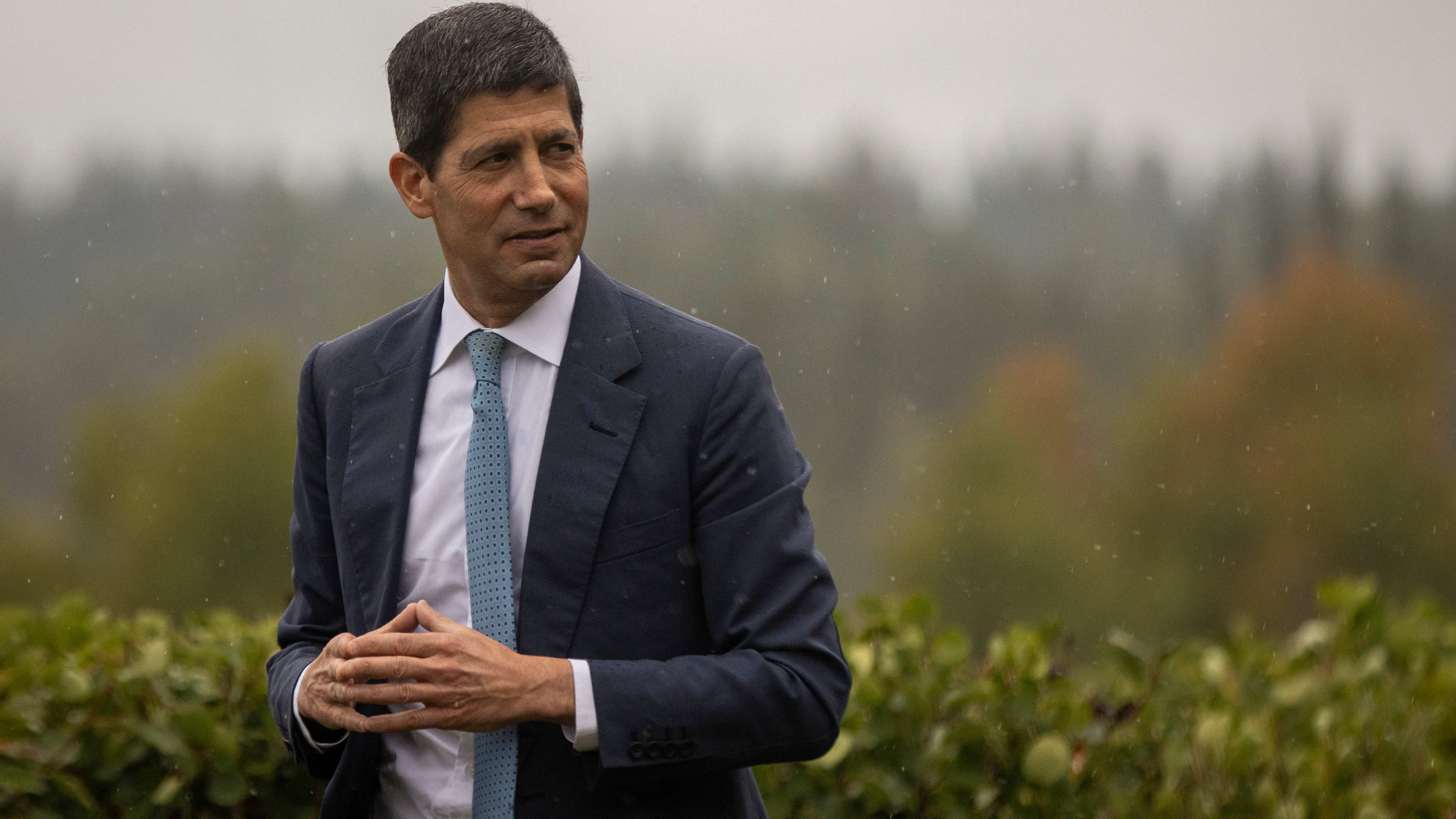
SAN FRANCISCO, Calif. — Fed Chairman Kevin Warsh's more secretive approach to policy guidance could come back to bite him.
"I am in agreement that forward guidance about the path of the funds rate isn't needed in the current environment — that's really something that should be reserved for crisis situations where we're at or close to zero on the funds rate," Goldman Sachs chief economist Jan Hatzius told Yahoo Finance at the firm's Communacopia & Tech conference (video above). "Transparency about the thought process, I do think, is important. If investors understand how the Fed is going to react to new information, then they can anticipate those reactions that accelerate the transmission of monetary policy and that ultimately reduces the lags of monetary policy."
Hatzius added, "I think markets are still going to try to figure out what the Fed is thinking, but they'll have less information, less of a basis on which to do that. And that's going to mean more volatility. I mean, volatility per se isn't bad when you have new information about the economy. Of course, rate expectations and financial conditions do need to move, but if you get volatility because people don't understand the central bank's thought process, then that's more unproductive volatility."
Warsh is off to a somewhat rocky start leading the world's most powerful central bank.
During his debut keynote address as Fed chair at the Jackson Hole Economic Policy Symposium a couple of weeks ago, Warsh adopted a hawkish stance on interest rate policy, warning that the central bank's fight against inflation is far from over.
With inflation "running above our 2% target … the Fed's predominant focus right now should be on prices," Warsh said.
Warsh characterized recent inflation numbers as "concerning" and added that "we must be confident that underlying inflation is moving to our objective, clearly and at sufficient speed … otherwise, we have work to do."
Investors were hoping Warsh might hint at an upcoming interest rate cut or a softer stance on inflation. No luck.
Instead, his adamant focus on maintaining the 2% inflation target — paired with remarks implying financial conditions may not yet be restrictive enough — pushed Treasury yields higher.
Traders moved to price in a nearly 61% probability of an interest rate hike at the mid-September FOMC meeting.
Not helping investors has been Warsh's style of communication, as he prefers not to give clear guidance on what's next for policy. This differs from his recent predecessors Jerome Powell, Janet Yellen, and Ben Bernanke.
Topics in this story
Gathered from external sources. Rights to this text belong to whoever originally published it.