Diesel futures jump, signaling higher prices to come despite Trump’s Russia deal
Diesel futures traded sharply higher Tuesday, as doubts mounted that the Trump administration’s recent maneuvers to lower prices would make much of an impact.
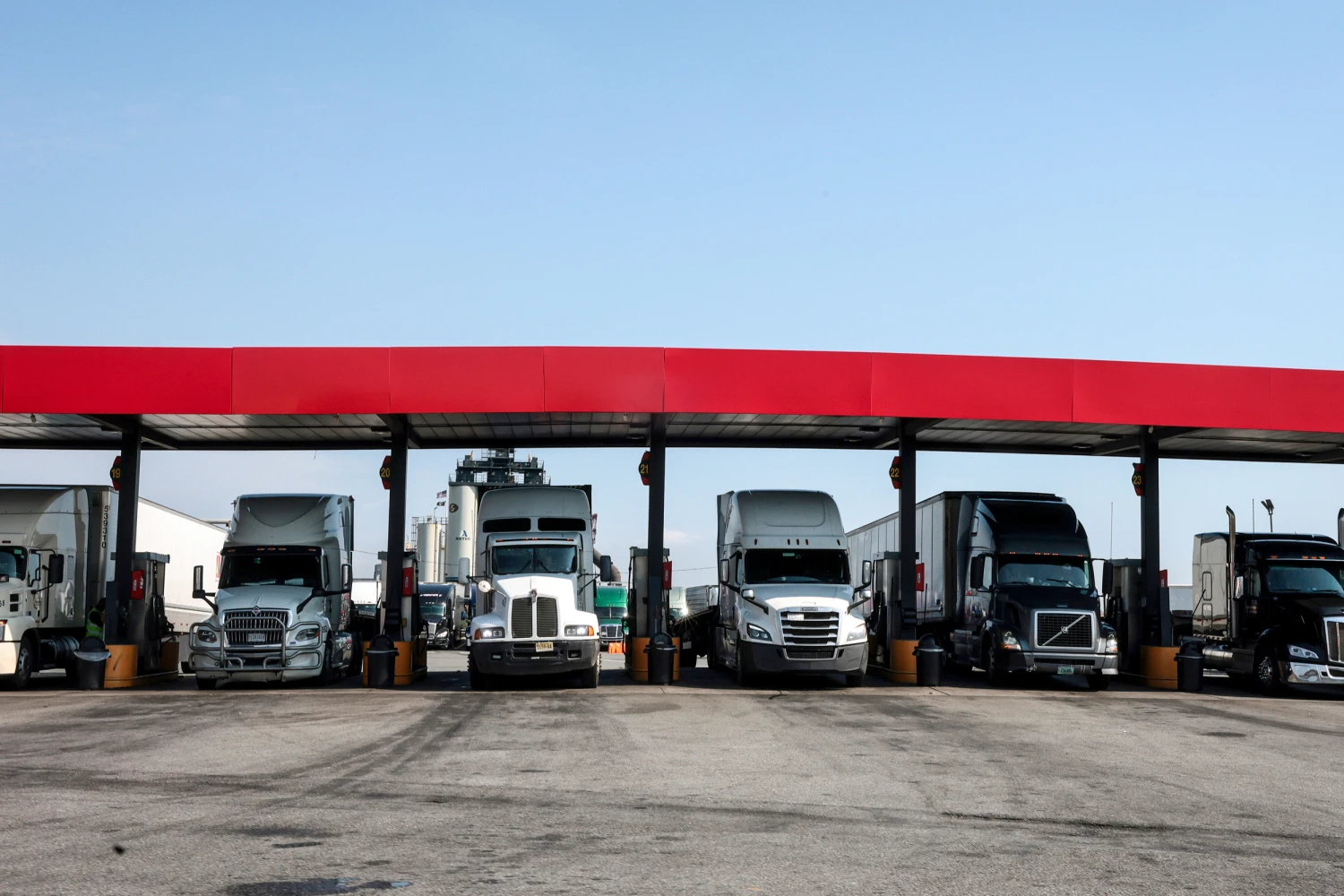
Diesel futures traded sharply higher Tuesday, as doubts mounted about the likely impacts of the Trump administration’s latest efforts to push prices down. U.S. diesel futures were up 5% by midday to their highest level in weeks. In Europe, diesel futures rose by about 3.8%, while gas futures spiked to levels not seen all year. A move higher in futures markets typically signals that prices will climb in the coming days. Already, the average nationwide price of diesel is up 70% since the U.S. and Israel attacked Iran on Feb. 28. The cost of unleaded gas has risen by more than 45% over that period. Crude oil prices, meanwhile, were mixed. Brent traded around $106 per barrel, while U.S. crude oil neared $95 per barrel. Both of those key energy benchmarks have risen around 70% since the start of the year. Gas and diesel prices are rising especially fast in parts of the country where President Donald Trump and Republicans can least afford to anger voters ahead of November’s midterm elections. “Absolutely stunning price spikes in wholesale diesel today,” Gulf Oil adviser Tom Kloza wrote Tuesday on X. “US retail diesel price record of $6.53/gal could be topped by the midterms.” “Up 18cts/gal Gulf Coast and East Coast; but up 28cts/gal in Southern California and 25-30cts/gal in Great Plains and Great Lakes,” he wrote. Patrick De Haan, the head of petroleum analysis at GasBuddy, wrote on X that “$6/gal diesel may be here to stay for now.” “Truckers and farmers not going to see any relief anytime soon,” he wrote. The broad spike higher in diesel futures came just days after Trump announced a controversial deal with Russian President Vladimir Putin to increase diesel supplies in the United States by buying previously sanctioned Russian reserves. When Trump announced the deal, he said it would result in millions of metric tons of additional diesel for the world. While that may sound like a lot, analysts have since crunched the numbers and determined that, at best, the diesel in question would amount to less than two weeks’ worth of U.S. demand. Tuesday’s higher diesel futures are evidence of the market “clearly not believing that Russian oil is on the way,” Kloza said. The deal with Putin also required that the Trump administration suspend long-standing sanctions on Russian energy purchases. The sanctions were put in place after Russia invaded Ukraine in 2022, and the decision to lift them until April has drawn widespread backlash both at home and abroad. Trump has also applied pressure to European allies in an effort to get them to release more of their diesel reserves. The president’s Oct. 2 announcement that Europe had bowed to the pressure and would release fuel temporarily cooled prices for a few days. But a lack of additional details about that release gradually erased any price relief. A subsequent statement from the International Energy Agency confirmed what traders had suspected: Europe would not be releasing any new diesel reserves, merely continuing to fulfill a pledge it made in March as part of a multinational effort to cap rising fuel prices. Trump also signed an executive order this month that sought to ease restrictions on an off-road formulation of diesel that is dyed red and not subject to federal gas taxes. But industry groups quickly warned truckers to avoid using “red dye” diesel without more information about how the taxes would work. As of Tuesday, it was unclear whether Trump’s red dye diesel order had any impact on domestic prices or supply.
Topics in this story
Gathered from external sources. Rights to this text belong to whoever originally published it.