Global sell-off in government bonds intensifies
Government bond yields rose in numerous countries on Tuesday, with investors selling off amid concerns over inflation and mounting public debts. The 10-year U.S. Treasury bond yield exceeded 4.7 percent Tuesday morning, marking its highest mark since October 2023. The 30-year Treasury bond yield, meanwhile, is still above 5.2 percent. The 30-year yield was below…
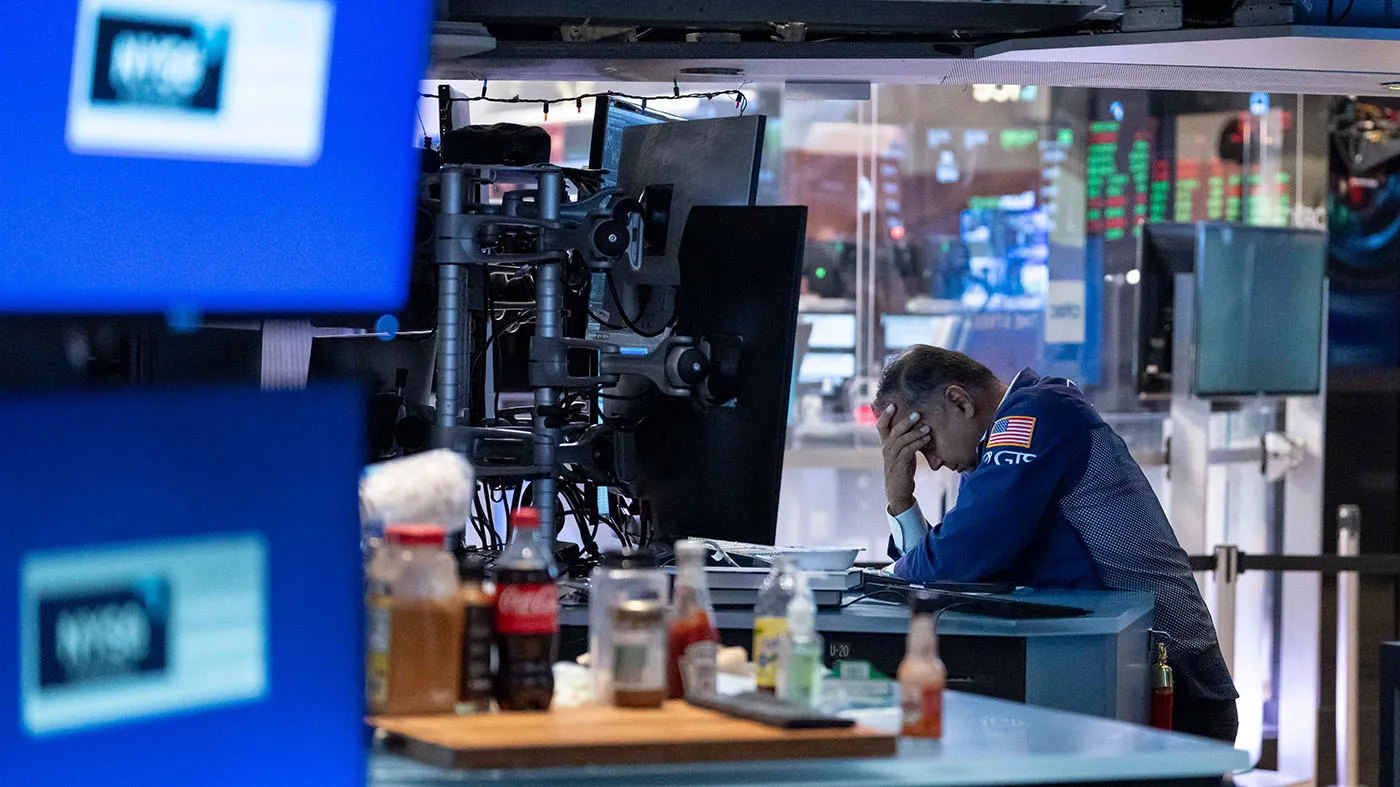
Government bond yields rose in numerous countries on Tuesday, with investors selling off amid concerns over inflation and mounting public debts.
The 10-year U.S. Treasury bond yield exceeded 4.7 percent Tuesday morning, marking its highest mark since October 2023.
The 30-year Treasury bond yield , meanwhile, is still above 5.2 percent. The 30-year yield was below 5 percent in late June, but has risen over the past two months — even reaching its highest point since April 2007 in mid-August.
The rising bond yields in the U.S. hurt Americans attempting to purchase a home via higher mortgage rates. Borrowing costs for other products, such as cars, are also subject to pressures from the bond market.
Rising yields are not limited to the U.S., either. Japan’s 10-year bond yield surpassed 3 percent Tuesday before closing at 2.994 percent, the note’s highest mark in roughly 30 years.
In the U.K., the 10-year bond is trading at above 5.2 percent for the first time since July 2008 — amid the global financial crisis.
Economist Robin Brooks pointed to rising government debt for the bond sell-off, saying U.S. markets “are more focused on the trajectory of the deficit” than any other data points.
“The underlying dynamic in the Treasury market is more worrying than you think,” Brooks, a senior fellow at the Brookings Institute, wrote Tuesday on Substack.
The U.S. national debt exceeded $40 trillion last month, double where it stood in 2017 and representing roughly 122 percent of the country’s gross domestic product (GDP).
Other economic powers are running heavy deficits, as Japan’s national debt is above 1.5 quadrillion Yen, equivalent to more than $9 trillion. The Asian country’s debt represents about 251 percent of its GDP.
Inflationary concerns have also consistently impacted markets, particularly with the ongoing Iran war. The conflict has entered its seventh month without signs of a peace deal between the U.S. and Islamic Republic, as the two sides traded military strikes on Sunday.
Brent crude oil, the international benchmark, is trading at above $92 as of Tuesday. The per-barrel price of West Texas Intermediate crude, the North American benchmark, is more than $88.
Annual inflation in the U.S. was 3.7 percent last month, according to the personal consumer expenditures price index, the Federal Reserve’s preferred measure of inflation.
But Brooks argued last month the shocks brought on by the Middle Eastern conflict are only having an outsized effect on the market because of underlying government debt.
“When you have a lot of debt and run unsustainably large budget deficits, you’re extremely vulnerable to any old shock that comes along,” he wrote in an Aug. 18 Substack post . “It’s not about the shock, but — instead — the mess we are making of fiscal policy on a global scale.”
The Fed under first-year Chair Kevin Warsh has also dispensed with issuing forward guidance when releasing decisions on interest rates, increasing uncertainty for investors. Warsh on Friday argued forward guidance “should be limited and circumscribed” under normal economic conditions.
“Oversharing policy deliberations and overcommitting to future decisions can lead markets, businesses, and households astray,” he said at the central bank’s annual economic symposium in Wyoming .
Treasury Secretary Scott Bessent is attempting to help the bond market course-correct, as his department will double the maximum alue of longer-dated securities it can repurchase starting on Sept. 9 .
The Treasury’s announcement of the plan sparked a decrease in the 30-year U.S. bond yield, but that was short-lived.
Topics in this story
Gathered from external sources. Rights to this text belong to whoever originally published it.