Chick-fil-A bet on chicken in the 1960s. Now it’s one of America’s biggest restaurant chains.
The family-owned company reported nearly $24 billion in sales last year and recently expanded to Singapore and the United Kingdom.
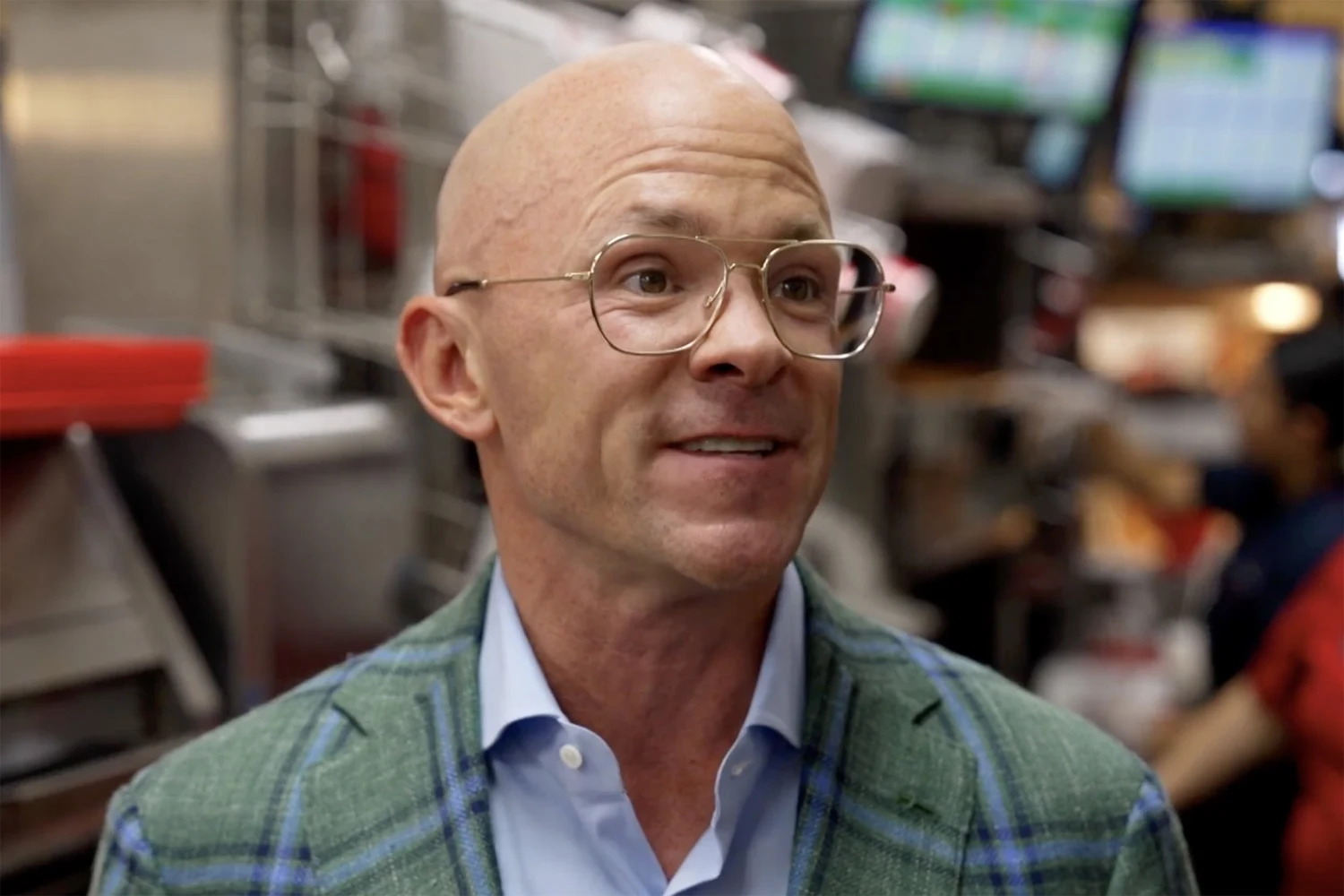
For decades, Chick-fil-A — with its iconic cow mascot — has encouraged Americans to skip hamburgers and instead “Eat Mor Chikin.” Today Chick-fil-A is the third-largest restaurant chain in the U.S. behind McDonald’s and Starbucks, with nearly $24 billion in sales last year. Chick-fil-A also has around 3,000 locations around the world, having recently expanded to the U.K. and Singapore. But the global giant came from humble beginnings. “My grandfather grew up in extreme poverty,” CEO Andrew Cathy said in a recent interview for NBC News’ Business in America series. “He actually lived in the first government housing in the state of Georgia, and after the war, he decided to start a business with his brother Ben. And they’re like, ‘We want a better life for ourselves,’” Cathy said. So Truett and Ben Cathy opened a diner called the Dwarf Grill in Hapeville, Georgia, in 1946. After a local supplier offered them big chicken breasts that had been rejected by Delta Air Lines, Truett developed the sandwich that eventually became the signature menu item of the first Chick-fil-A restaurant in 1967. Truett’s son Dan Cathy eventually took over the business from his father, and his son Andrew became CEO in 2021. For 60 years, Chick-fil-A has remained a private, family-owned business — and Andrew Cathy says it plans to stay that way. But while much has changed at the company over the decades, its signature chicken sandwich has stayed consistent. “It’s still the same recipe that we’ve had since 1967,” Cathy said. As for what’s in the recipe, he said: “It’s a lot of good things. Can’t tell you the details.” Faith in the business But certainly one of the company’s core ingredients has been the Cathy family’s Christian faith. Chick-fil-A has never been open on Sundays, a decision Cathy said his grandfather and great-uncle made many years ago. “It was very common back in the 1940s that a lot of places were closed on Sunday,” he said. “They wanted to do that. They wanted to have a chance to take a break, go to church and for others just to take some rest.” For the Cathys, the business is an expression of their faith. Chick-fil-A’s mission is to “Glorify God by being a faithful steward of all that is entrusted to us. To have a positive influence on all who come in contact with Chick-fil-A.” But running a business based on Christian values can be challenging in 21st century America. The Cathys experienced that firsthand in 2012, when Dan Cathy told a religious newspaper that the family supported “the biblical definition of the family unit.” Cathy’s comments set off an explosion of controversy when Americans were deeply split over the issue of same-sex marriage. Protests and boycotts of Chick-fil-A restaurants across the country were met with counterprotests and “buycotts.” On Aug. 1 of that year, Chick-fil-A supporters flocked to the restaurant and delivered the company a record-setting “Chick-fil-A Appreciation Day.” The company has also donated millions of dollars to Christian organizations that drew criticism from advocates for LGBTQ+ rights. In 2014, Dan Cathy expressed regret over having involved the company in the debate, although he stood by his private views about marriage. Asked about backlash the company has received on LGBTQ+ issues, Andrew Cathy gave a diplomatic response. “We’ve always been focused on serving great food and hospitality, and so for anybody that comes in the door, we’re going to continue to do that,” he said. The Supreme Court legalized same-sex marriage in 2015, and starting in 2020, Chick-fil-A changed its approach to charitable giving — focusing exclusively on the issues of education, homelessness and hunger. The company’s Shared Table program donates extra food from Chick-fil-A restaurants to local nonprofits that provide meals to people in need. Chick-fil-A says the program has provided more than 200 million meals since 2020. A value proposition The company is also navigating an economic environment this year in which millions of Americans have pulled back on dining out. Consumer prices have jumped 3.4%, while wages have grown just 3% on average — meaning that for many Americans, paychecks aren’t keeping up with rising costs. Chick-fil-A’s prices aren’t the cheapest on the block, either. At a Chick-fil-A in Dallas, for example, the standard chicken sandwich is $4.99. At a McDonald’s less than a mile down the road, the similar McCrispy sandwich costs $3.99. But Cathy said Chick-fil-A knows many of its consumers are feeling pinched and making tough choices about where they want to spend their dollars. “Even though our costs are going up, we’ve got to be careful knowing that consumers are making that trade-off,” he said. “What we want more than anything is if customers do choose to eat with us, they feel like ‘Man, I got a great value for what I paid for this experience.’”
Topics in this story
Gathered from external sources. Rights to this text belong to whoever originally published it.