Trump's SBA wants to reclassify billion-dollar corporations as 'small businesses,' opening door to federal contracts
Some small businesses could be decimated by this change.
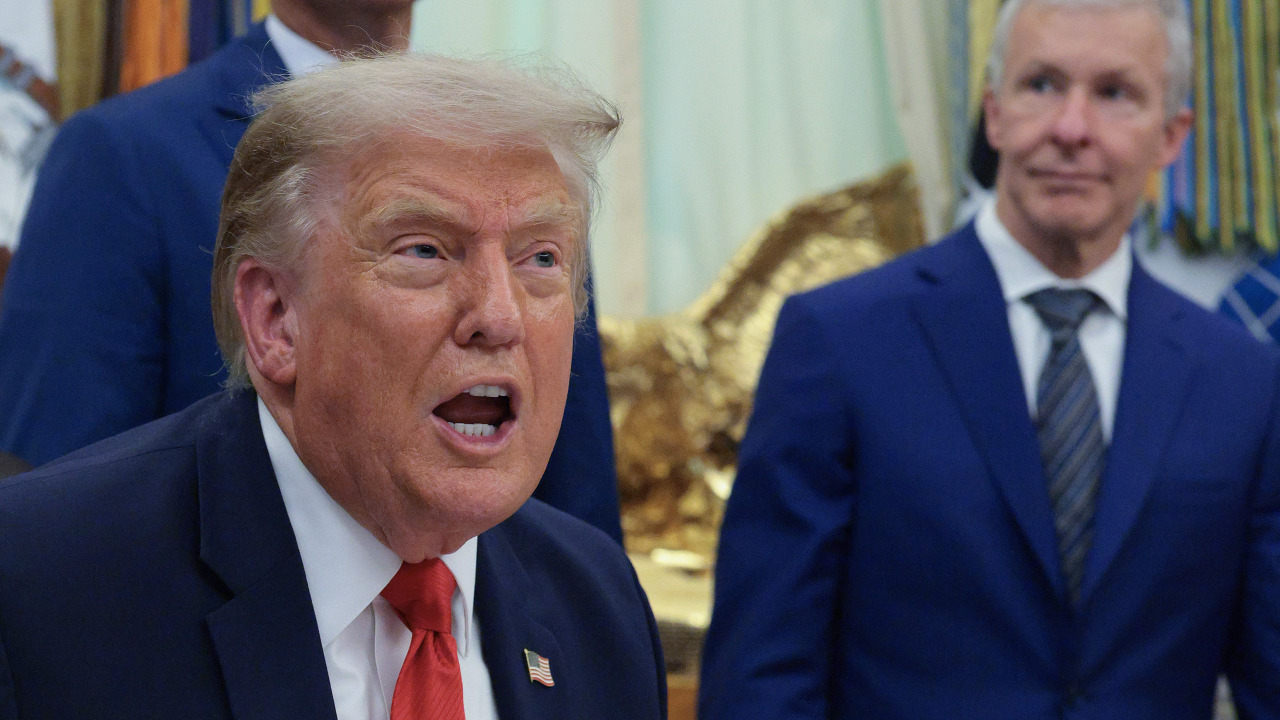
The Trump administration is eyeing a major change that could redefine the government's definition of small business to include billion-dollar publicly-traded corporations.
The Small Business Administration (SBA) formally proposed the rule change on August 20 in what observers have deemed the largest change to small business size standards in decades if it takes effect. The proposal would expand the pool of businesses eligible for government contracts, loans or other financial assistance from the SBA.
Jeff Bezos backs a platform that lets anyone invest in rental homes for as little as $100 — 6 ways to build wealth like a landlord without actually being one
Dave Ramsey warns nearly 50% of Americans are making 1 big Social Security mistake. Here's what it is and 3 simple steps to fix it ASAP
The tax breaks in Trump's 'big beautiful bill' expire after 2028. Here are 4 moves to make before the window closes
The agency estimates roughly 114,000 additional businesses would be classified as small if the change materializes following a public comment period that runs through Sept. 21.
For investment banking companies, the current annual revenue limit is $47 million to be classified as a small company. If the rule is finalized, that limit shoots up to $867 million. Firms dealing with fiduciary activities currently have an annual revenue limit of $47 million. That would increase to just over $1 billion under the changes.
The SBA currently classifies the majority of small businesses with revenue caps of $47 million.
The SBA is arguing that enacting the change allows the federal government to draw from a broader pool of small businesses to award contracts and provide financial aid. The SBA regularly updates its business categories every five years under current law, with revenue adjustments accounting for inflation.
Some small business groups had long pushed SBA to upgrade its regulatory classifications to wrap in private firms that had grown into midsized-ones so they wouldn't lose out on loans and contracts.
However, that breadth of the proposed revenue adjustments could throw additional obstacles onto much smaller businesses who have fewer resources to compete against much larger rivals for those same loans or federal contracts.
Businesses that now comfortably qualify as small could face a much larger pool of eligible competitors, and firms approaching today's thresholds would gain substantial room to grow while also facing larger rivals," wrote George Petel and Nicholas Iliff Jr., lawyers for the Washington-based Wiley Rein law firm, in a blog post.
Topics in this story
Gathered from external sources. Rights to this text belong to whoever originally published it.